Israeli Prime Minister: “We Are the Good Guys, Fighting the Bad Guys”—Says Iran is 50 Times More Dangerous Than North Korea
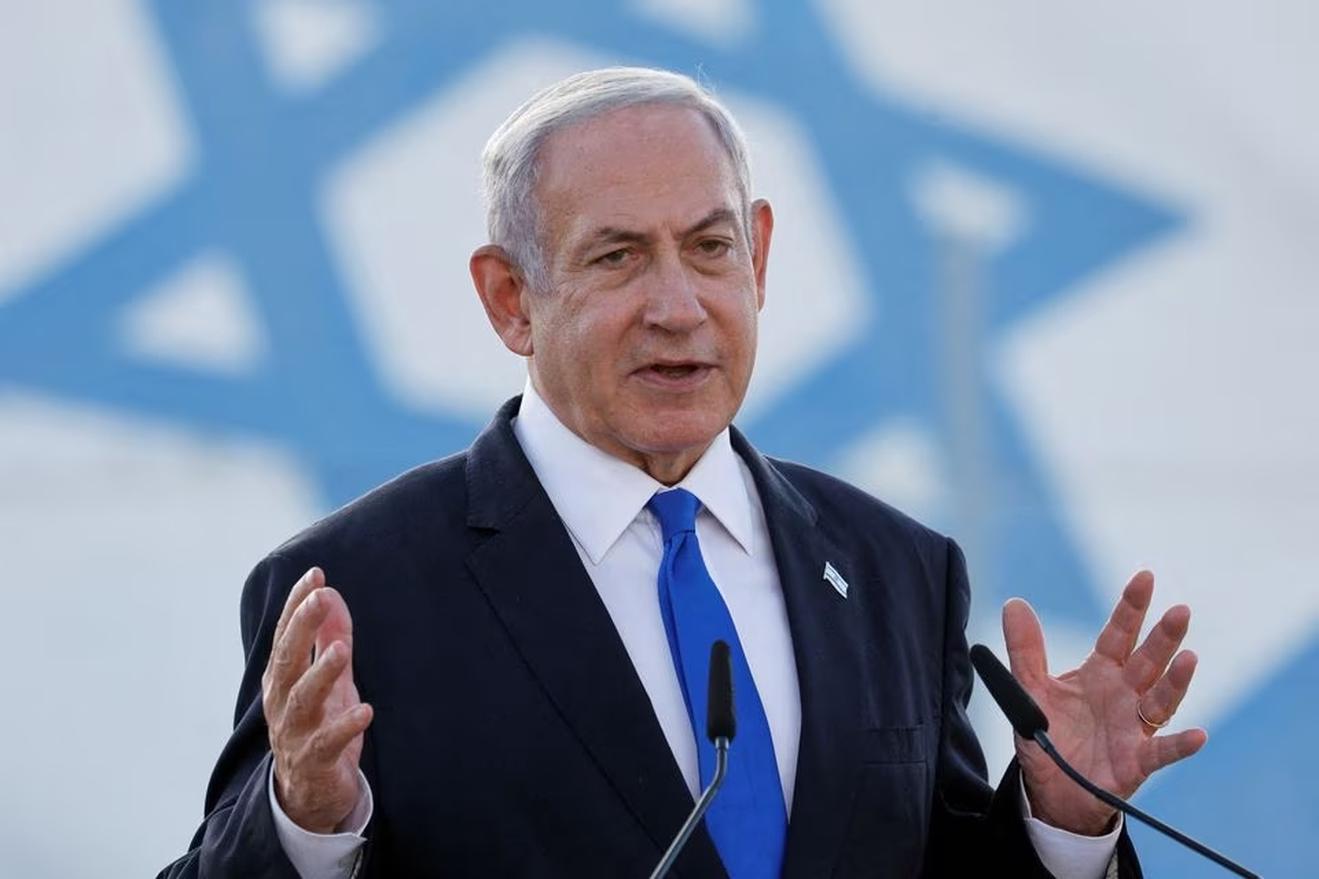
Israeli Prime Minister: “We Are the Good Guys, Fighting the Bad Guys”—Says Iran is 50 Times More Dangerous Than North Korea
A Bold Statement in the Face of Growing Tensions
In a recent speech, Israeli Prime Minister Benjamin Netanyahu made a strong case for Israel’s actions in the Middle East, framing the ongoing conflict as a battle between “good” and “bad.” Netanyahu declared, “We are fighting the bad guys. We are the good guys,” as he defended Israel’s military operations against Iranian influence in the region. He emphasized Israel’s role in combating what he perceives as the destabilizing forces led by Iran, portraying it as a righteous fight for security and global stability.
Iran: A Growing Threat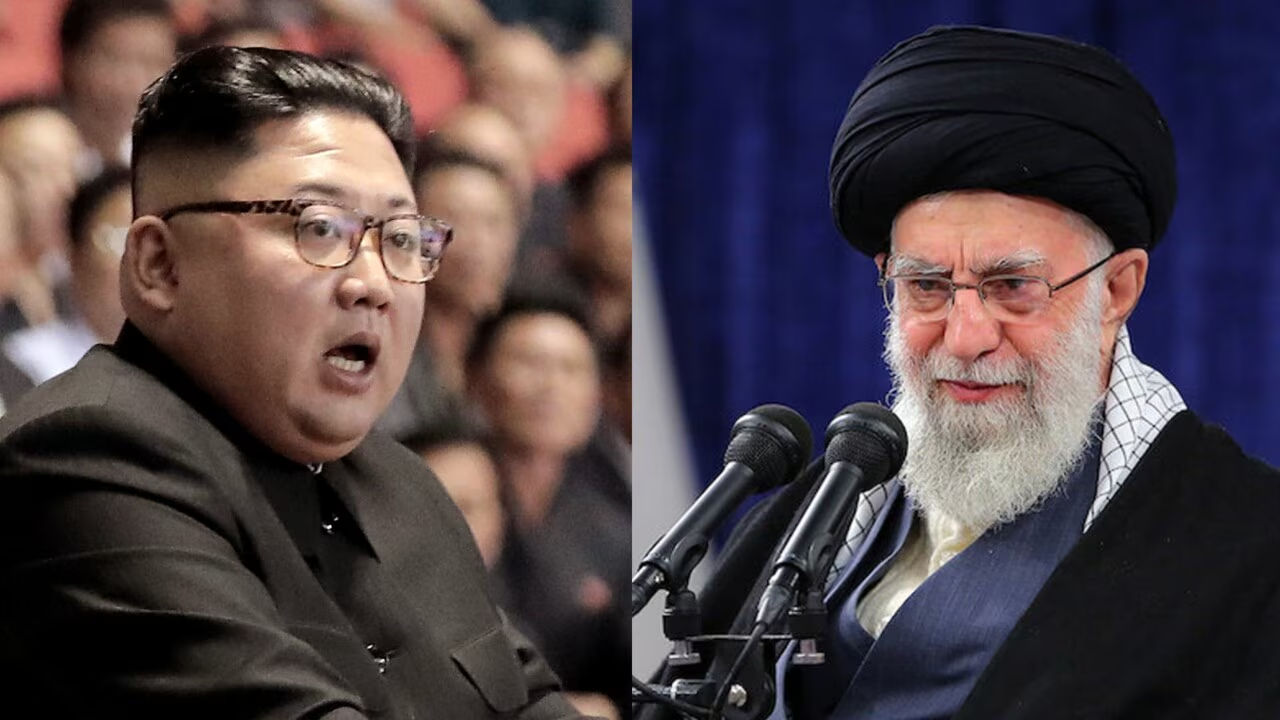
In the same address, Netanyahu compared the threat posed by Iran to that of North Korea, claiming that Iran is “50 times more dangerous” than the East Asian regime. This statement is likely aimed at drawing attention to Iran’s nuclear ambitions, its missile program, and its influence across the Middle East, particularly through proxy groups and militias in Iraq, Syria, Lebanon, and Yemen. Israel views Iran as a primary regional adversary due to its support for hostile factions, its pursuit of nuclear weapons, and its continued defiance of international sanctions and agreements.
The Context: A Deepening Divide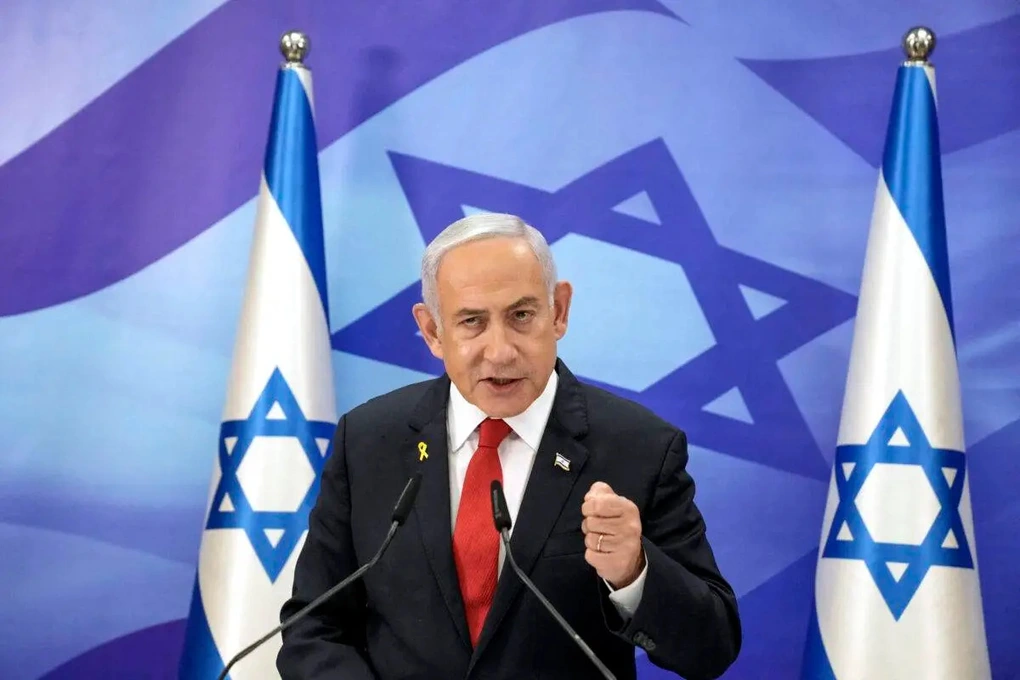
Netanyahu’s words come at a time when tensions between Israel and Iran are at a high point. Israel has consistently taken a hardline stance against Iran’s nuclear program, its military presence in Syria, and its backing of militant groups like Hezbollah and Hamas. The Israeli Prime Minister’s comments are also a direct response to the growing international discussions about Iran’s actions and the broader Middle Eastern geopolitical instability.
The Global Reaction: What Does This Mean for Israel and Iran?
Netanyahu’s rhetoric frames the conflict in stark, black-and-white terms, which could rally domestic support for military actions or further sanctions against Iran. However, this could also contribute to the ongoing polarization in international diplomacy. Some countries, especially those within the European Union and the United Nations, may view Netanyahu’s framing as an oversimplification of the complex dynamics at play in the region. Meanwhile, Iran is likely to respond to such comments with accusations of aggression and hypocrisy.
What’s Next: Further Escalation or Diplomacy?
As Israel continues to build its case against Iran on the global stage, the question remains whether this hardline approach will lead to more diplomatic isolation for Iran or whether it will push the region closer to open confrontation. The U.S., Israel’s primary ally, will likely continue to support Israel’s stance, but European nations, Russia, and China may seek more diplomatic solutions, especially as the international community grapples with the implications of Iran’s nuclear program.