Iran Threatens to Attack Any Ship Attempting to Pass Through the Strait of Hormuz
Iran Threatens to Attack Any Ship Attempting to Pass Through the Strait of Hormuz
A Major Escalation in Maritime Tensions
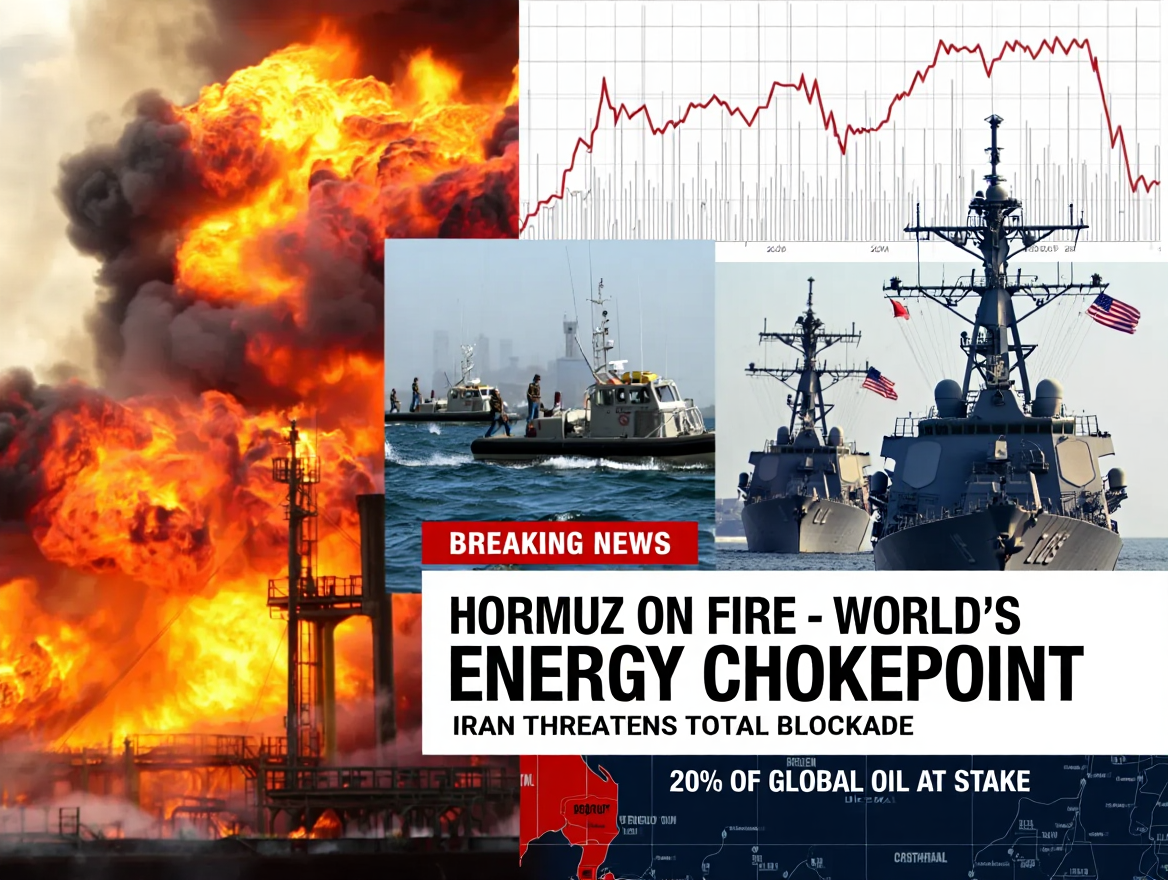
In a chilling warning, Iran has declared that it will attack any vessel attempting to pass through the Strait of Hormuz, one of the world’s most critical chokepoints for global oil shipments. The Iranian government issued the statement today amid rising tensions in the region, following a string of military confrontations with the U.S. Navy and other nations with interests in the waterway.
The Strait of Hormuz, which sees approximately 20% of the world’s oil supply pass through it daily, has long been a flashpoint for international conflict. Iran’s announcement further escalates fears of a broader military confrontation, especially as U.S. and allied forces maintain a strong presence in the region.
Iran’s Motivation: Control Over Global Shipping Routes
Iran has consistently expressed its desire to maintain control over the Strait of Hormuz, citing security concerns and the ongoing economic blockade from the West. Iranian leaders have repeatedly threatened to block the waterway if their interests are threatened, particularly in light of U.S. sanctions aimed at crippling the Iranian economy.
The move is seen by many analysts as an attempt by Iran to push back against what it perceives as foreign encroachment, particularly by the U.S. Navy and international shipping fleets. Iran has been emboldened in recent years as tensions between Tehran and Washington have surged, particularly following the U.S. withdrawal from the 2015 nuclear deal.
The Risk to Global Trade
A blockade or attack on commercial ships transiting the Strait of Hormuz would have far-reaching consequences for global trade. Oil prices could skyrocket, and global supply chains could be severely disrupted, as the strait is vital for energy transportation. Countries that rely heavily on oil shipments from the Gulf—such as Japan, China, and India—could face immediate economic consequences, potentially leading to international calls for intervention.
A U.S. and International Response: What’s Next?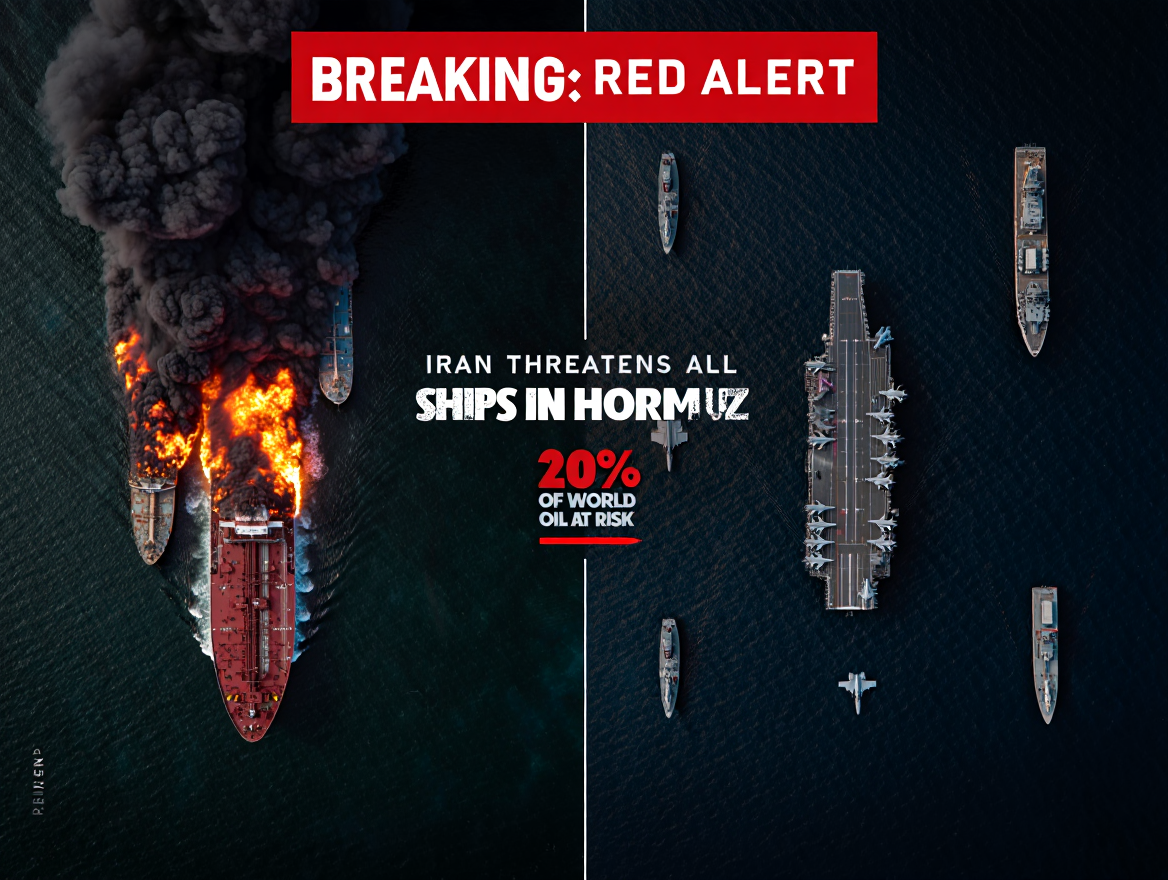
The U.S. and its allies have consistently maintained a naval presence in the region, ostensibly to protect shipping lanes and ensure free passage through the Strait of Hormuz. In response to Iran’s latest threat, military experts predict that the U.S. may take further action to assert its control over the waterway, potentially leading to heightened military activity.
U.S. officials are likely to bolster naval patrols and ramp up air surveillance to ensure that Iran’s threats do not translate into action. At the same time, diplomatic channels will likely be working overtime to de-escalate the situation, though few believe that Iran will back down easily.
The Path Forward: A Volatile Situation
As tensions escalate, the international community faces the prospect of a prolonged standoff in one of the world’s most sensitive regions. The coming days and weeks could prove pivotal in determining whether the situation will be resolved diplomatically or whether military conflict will ensue.