Madeleine McCann Case Returns to the Spotlight Nearly Two Decades Later

Nearly two decades after the disappearance of Madeleine McCann, one of the world’s most widely known missing-child cases continues to generate global attention and unanswered questions.
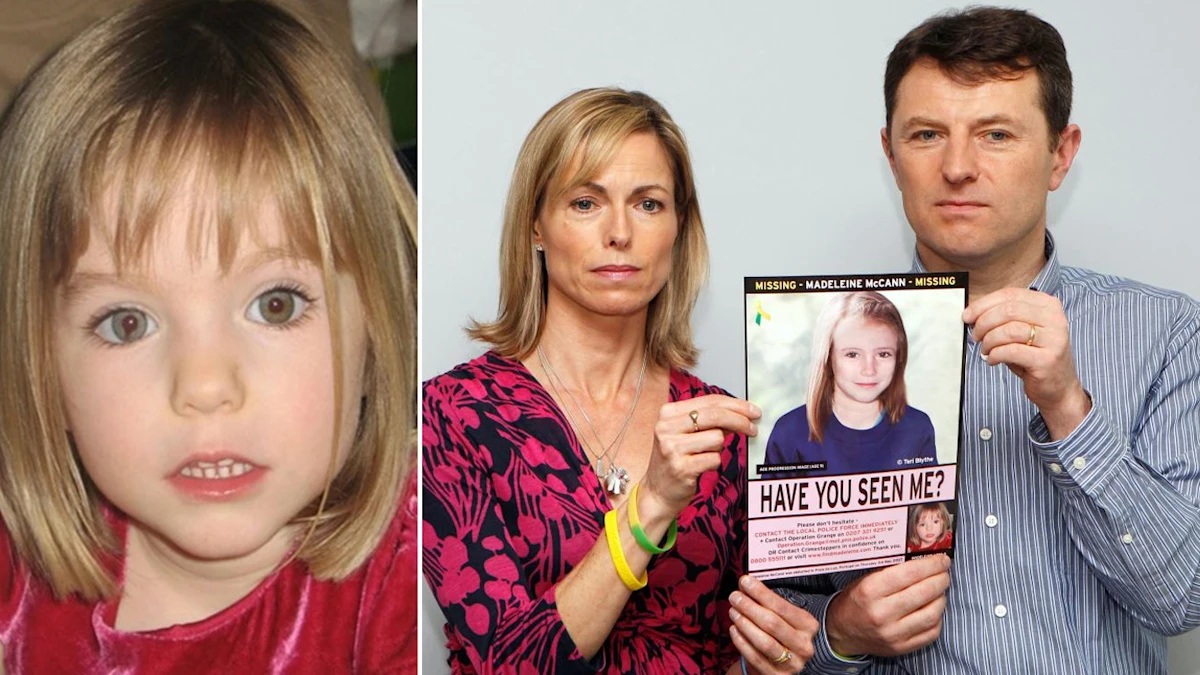
Madeleine disappeared on May 3, 2007, while on vacation with her family in Praia da Luz, Portugal, just days before her fourth birthday. According to her parents, she vanished from the family’s holiday apartment while they were dining nearby with friends.
The case quickly became an international investigation, involving police agencies from multiple countries and attracting intense media coverage.

Over the years, Madeleine’s parents faced intense public scrutiny and were briefly named suspects by Portuguese authorities before that status was later lifted. Despite numerous theories and investigations, no charges were ever brought against them.
In recent years, investigators have focused on a German suspect with a lengthy criminal history who was living in the area at the time of Madeleine’s disappearance. Authorities continue to examine evidence connected to him, but no one has been convicted in relation to Madeleine’s case.
Nearly 19 years later, the mystery remains unsolved, leaving Madeleine’s family still searching for answers and hoping for closure.
The case has also sparked worldwide discussions about child safety, media influence, and the challenges investigators face in long-running missing-person cases.
Today, one painful question still remains: what happened to Madeleine McCann?