Ancient Egyptian Mummies: What Remains After Thousands of Years
Ancient Egyptian Mummies: What Remains After Thousands of Years
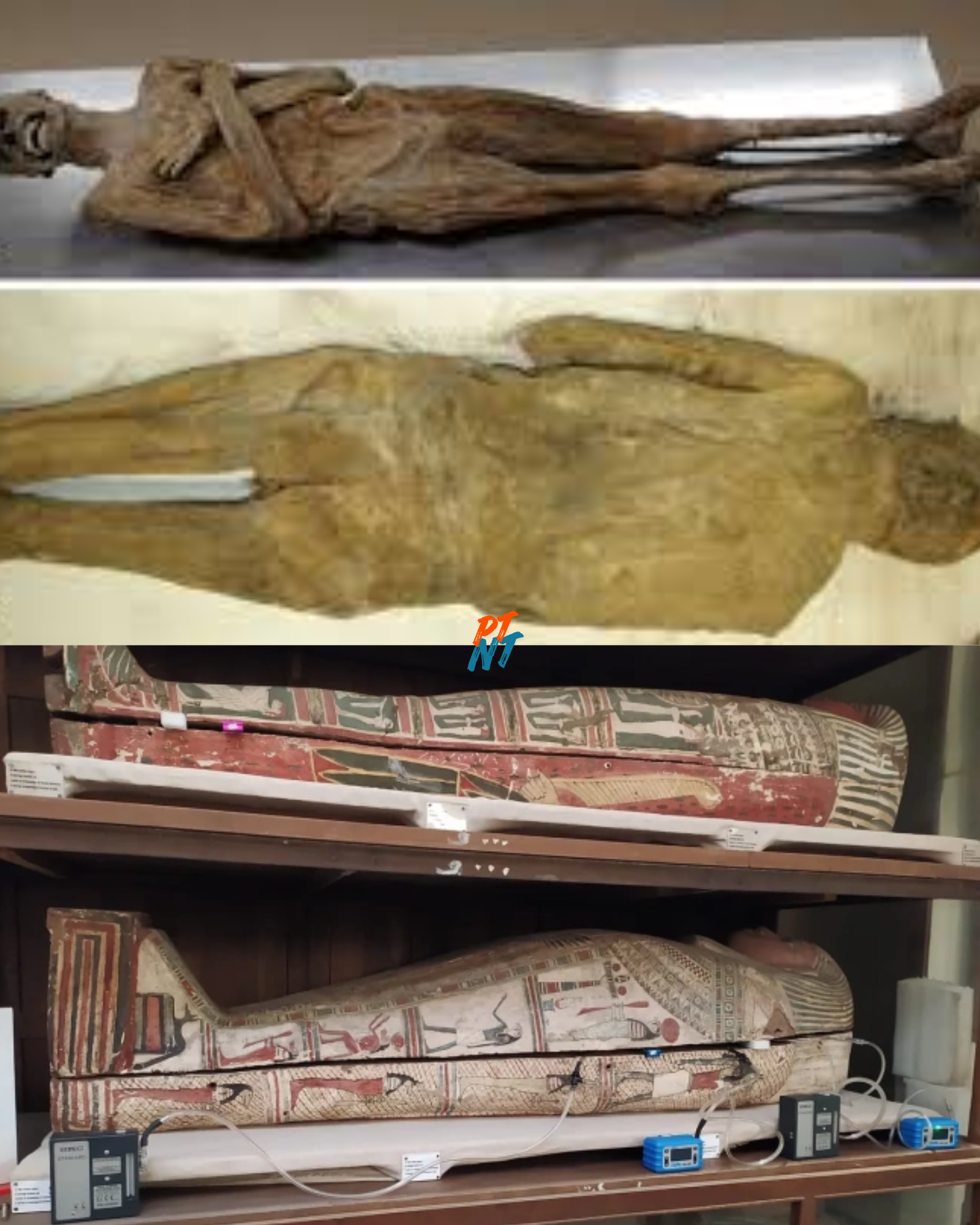
Thousands of years after their burial, ancient Egyptian mummies continue to astonish scientists with their remarkable state of preservation, offering an unparalleled window into one of history’s greatest civilizations.
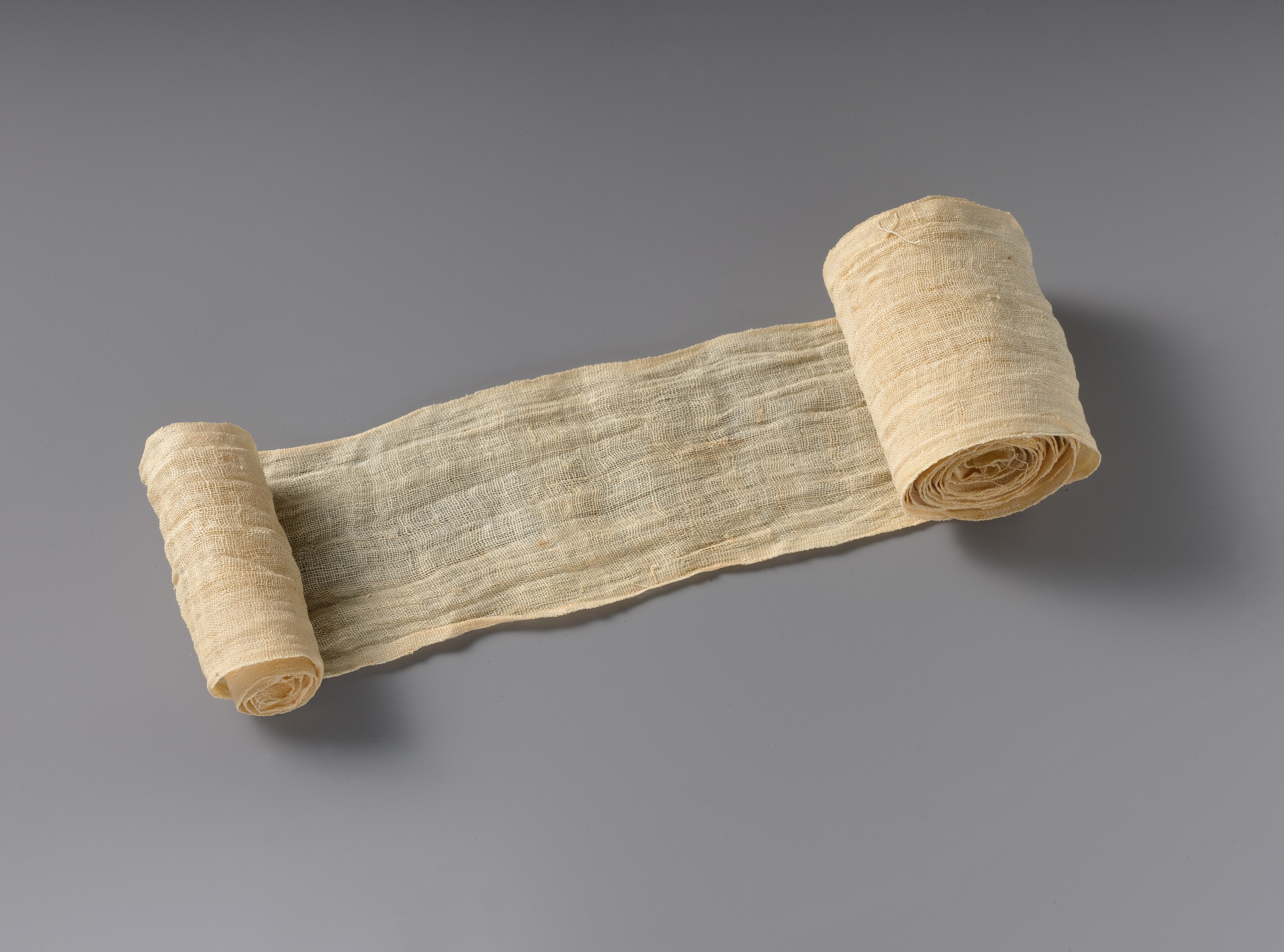
Through advanced embalming techniques, ancient Egyptians were able to slow decomposition dramatically. Today, many mummies still retain preserved skin, hair, and even facial features. The use of natron salts, resin, and tightly wrapped linen created a protective barrier against bacteria and environmental damage.
Among the most famous examples is Tutankhamun, whose mummy revealed crucial insights into royal health conditions and possible causes of death. Similarly, the mummy of Ramesses II still shows well-preserved hair and distinct physical characteristics, despite being over 3,000 years old.
Modern technology has revolutionized mummy research. CT scans and DNA analysis now allow scientists to examine internal structures without unwrapping or damaging the remains. These studies have uncovered evidence of diseases such as arthritis, infections, and even genetic disorders, reshaping our understanding of ancient Egyptian life.
However, despite surviving millennia, mummies today face new threats. Exposure to humidity, temperature fluctuations, and mass tourism has accelerated deterioration in some cases. Museums like the National Museum of Egyptian Civilization have implemented strict climate control systems to ensure long-term preservation.

Experts warn that while mummies have endured the test of time, their future now depends heavily on modern conservation efforts. As both scientific treasures and cultural symbols, these ancient remains continue to bridge the gap between the distant past and the present.