Iranian Strike on U.S. Base in Bahrain Leaves Heavy Smoke Rising
Iranian Strike on U.S. Base in Bahrain Leaves Heavy Smoke Rising
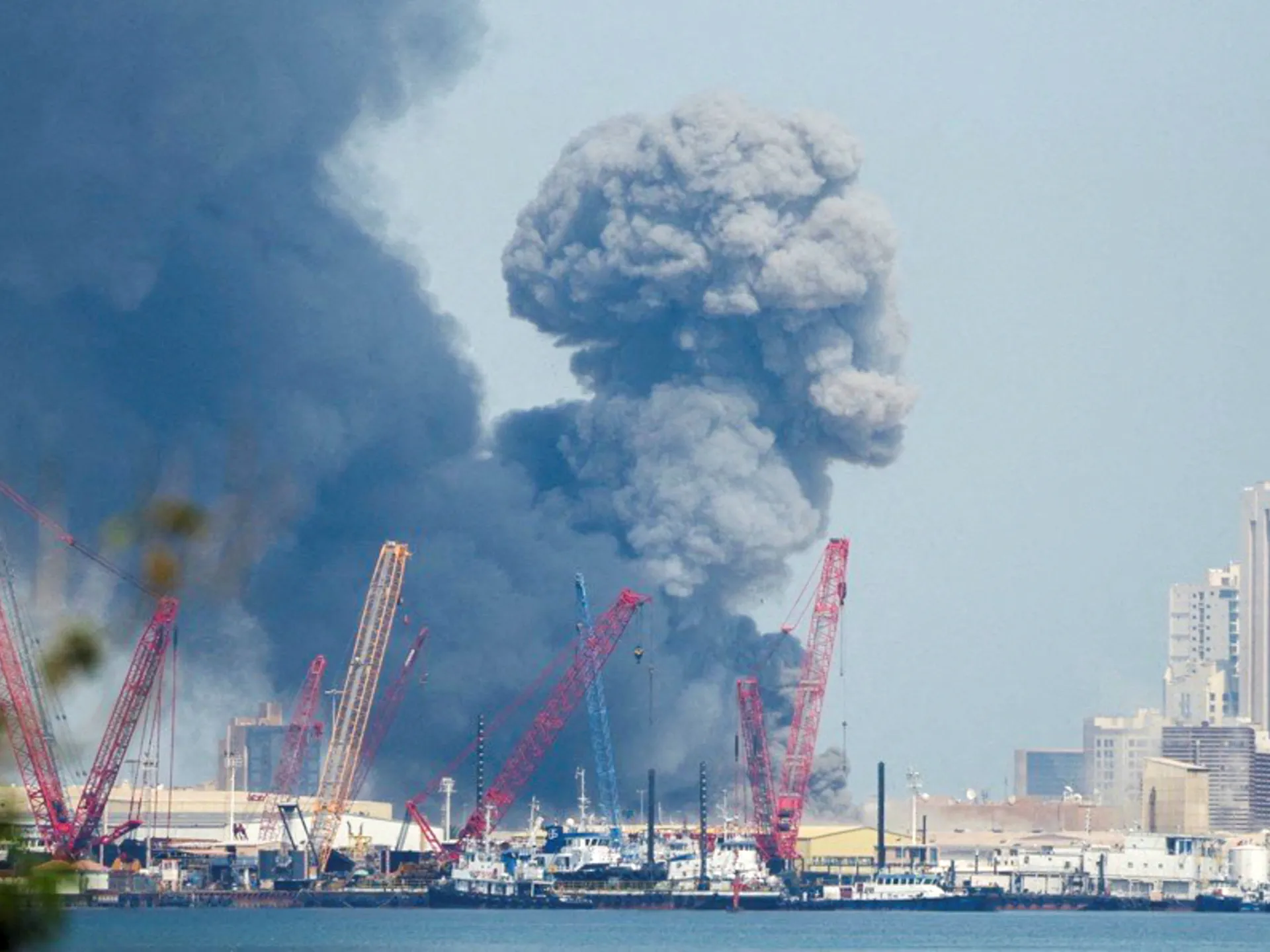
Manama, Bahrain / Washington, D.C. — An Iranian missile strike has reportedly hit a U.S. military base in Bahrain, causing significant damage and sending heavy plumes of smoke rising into the air. The attack, which occurred earlier today, is part of an ongoing series of Iranian retaliatory actions against U.S. interests in the Middle East.
Initial reports indicate that the strike targeted a key U.S. base in the island nation, used for both air and naval operations in the region. The missile impact caused explosions at the base, damaging several structures and igniting fires that continue to burn. The U.S. military has yet to provide a full assessment of casualties or the extent of the damage.
Details of the Attack
The Iranian military has claimed responsibility for the strike, which it says was a direct response to recent U.S. military actions in the region, particularly Israel’s ongoing conflict with Hezbollah and operations against Iranian assets in Syria and Lebanon.
Iranian state media confirmed that the missile launched was a Shahab-3, a medium-range ballistic missile capable of hitting targets up to 2,000 km away. While the Iranian government did not provide specific details on the strike’s target, it is believed to have hit one of the primary U.S. airbases in Bahrain, used for coordinating U.S. military operations in the Gulf.
Reports from the scene describe heavy smoke rising from the base, visible from several miles away. Local sources have confirmed the presence of military vehicles and emergency crews at the site, while nearby areas are under lockdown.
U.S. Military Response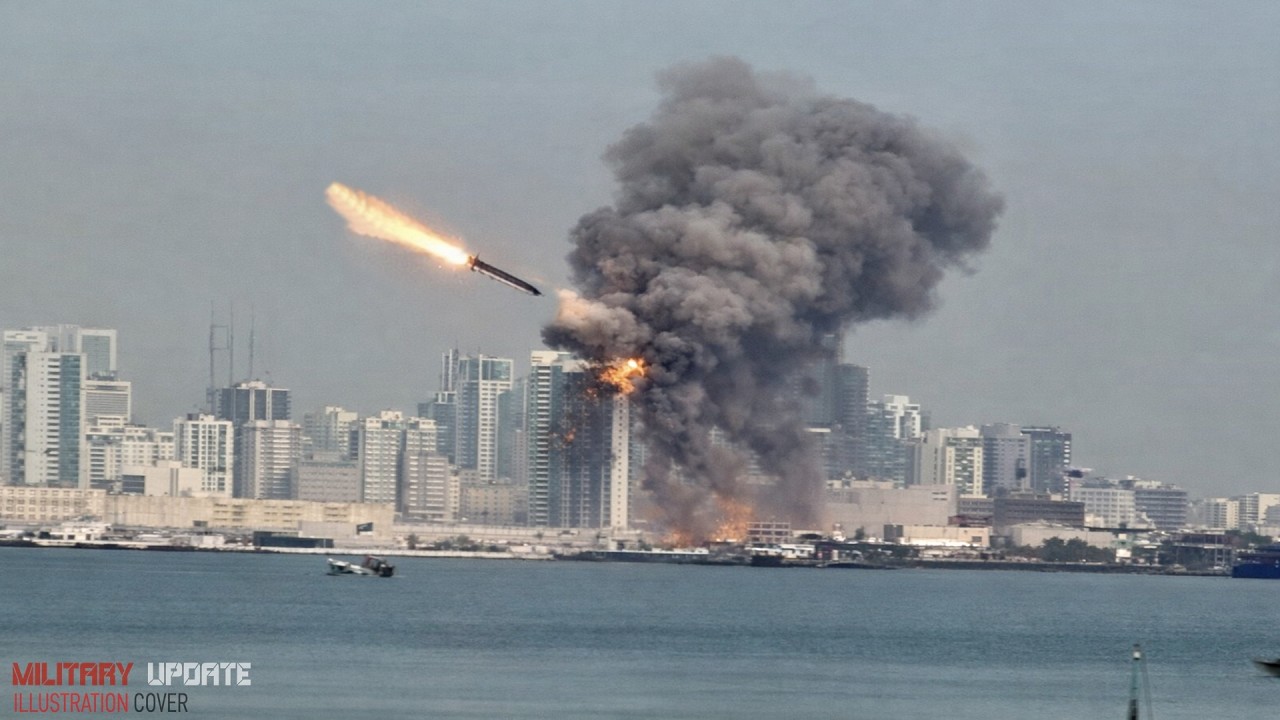
The Pentagon has yet to release a full statement on the extent of the attack or the impact on personnel, but U.S. officials have confirmed that the base is on high alert following the missile strike. Initial assessments indicate that while some equipment was damaged, the base’s air defense systems were partially successful in intercepting incoming projectiles.
“We are currently assessing the damage and any casualties,” a U.S. defense spokesperson said. “Our forces in Bahrain are on high alert, and we are prepared to respond to any further threats.”
U.S. defense officials have indicated that this attack is a clear escalation in the ongoing tensions with Iran, which has repeatedly warned of retaliatory actions following U.S. strikes against its forces and regional allies. Bahrain is home to the U.S. Navy’s Fifth Fleet, making it a strategically important base for U.S. operations in the Gulf.
Iran’s Motivations and Warnings
Iran has justified the attack as part of its broader strategy to retaliate against U.S. military presence in the region and to send a message to Israel and its allies. In a statement issued by the Iranian Revolutionary Guard Corps (IRGC), the attack was described as a “warning” to the U.S. and its regional partners, including Israel.
“The U.S. and its proxies should understand that Iran will not sit idly by while its interests and sovereignty are threatened,” the IRGC spokesperson said. “This is just the beginning. If the U.S. continues its military aggression, more strikes will follow.”
The Iranian government has long accused the U.S. of destabilizing the region through its military presence and alliances, particularly with countries like Israel and Saudi Arabia. Iran’s military actions are seen as part of its ongoing campaign to assert regional influence and push back against U.S. power in the Middle East.
Global Reactions
The attack has sparked a wave of concern among global leaders, with many expressing alarm over the potential for wider regional conflict. The United Nations has called for an emergency session to discuss the growing violence and to urge both sides to de-escalate tensions.
“The situation is extremely volatile, and the risk of further escalation is high,” a UN spokesperson said. “We call for restraint from all parties to avoid a catastrophic regional conflict.”
The U.S. has reaffirmed its commitment to protecting its interests and allies in the region, but President John Carter has also urged Iran to de-escalate the situation and avoid further military actions.
“We will respond to this attack, but we also remain committed to finding a peaceful resolution to the tensions in the region,” President Carter said in a statement.
Looking Ahead
The strike on Bahrain’s U.S. military base marks a significant shift in the ongoing conflict between the U.S. and Iran, raising fears of more widespread military engagement across the Gulf. Both sides are bracing for further retaliation, with military analysts predicting that Iran may launch additional missile strikes if U.S. actions in the region continue to escalate.
With heavy smoke still rising from the attack site, the coming days could prove pivotal in determining the direction of the conflict and whether the violence will spread beyond the borders of Bahrain.