31 Killed and 149 Injured in Israeli Airstrikes on South Lebanon and Beirut’s Southern Suburb
31 Killed and 149 Injured in Israeli Airstrikes on South Lebanon and Beirut’s Southern Suburb
Beirut, Lebanon / Tel Aviv, Israel — Israeli airstrikes targeting Hezbollah positions in southern Lebanon and Beirut’s southern suburb have resulted in at least 31 deaths and 149 injuries, according to Lebanese health officials. The airstrikes, which began early today, have caused widespread destruction in both areas, marking a significant escalation in the ongoing conflict between Israel and Hezbollah.
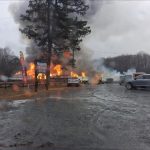
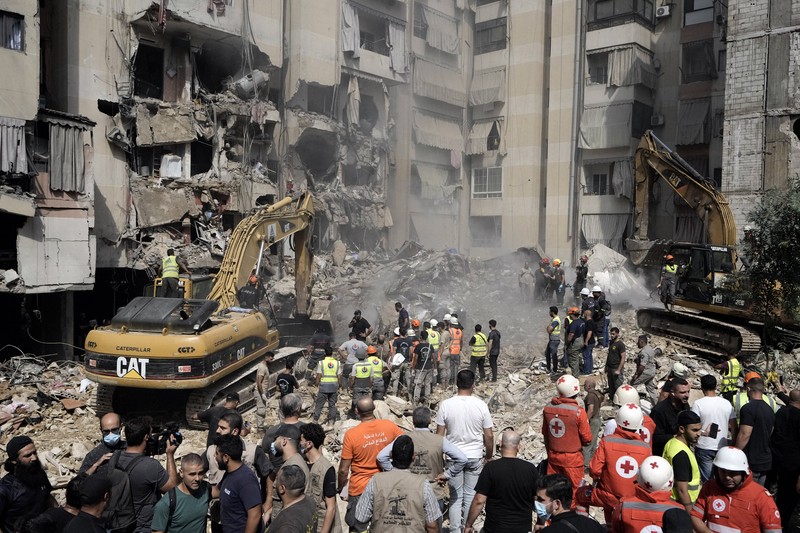
The targeted areas include Hezbollah strongholds in southern Lebanon and the Shia-dominated suburb of Dahieh in southern Beirut, where many Hezbollah leaders and fighters are believed to reside. Buildings have been reduced to rubble, and emergency teams are working around the clock to search for survivors under the debris.
Details of the Attack
The Israeli airstrikes, reportedly carried out in response to Hezbollah’s rocket fire toward northern Israel earlier this week, focused on military infrastructure, including weapons depots, missile storage sites, and rocket launchers. However, several civilian areas were also hit, leading to high casualties.
Lebanese officials confirmed that most of the casualties were civilians who lived in the targeted neighborhoods, although there are reports that Hezbollah operatives were also among the dead. The injuries are widespread, with many civilians suffering from blast wounds and shrapnel injuries.
“We are witnessing a catastrophe,” said a Lebanese Red Cross spokesperson. “Our teams are working non-stop to treat the injured and recover bodies from the rubble. The scale of the destruction is unprecedented.”
Israeli Military’s Statement
In response to the airstrikes, the Israeli Defense Forces (IDF) said that the operation was aimed at neutralizing Hezbollah’s military infrastructure in southern Lebanon, which it claimed was being used to launch rocket attacks against Israeli cities. The IDF stated that it targeted specific Hezbollah sites to avoid civilian casualties, though they acknowledged that some collateral damage occurred during the operation.
“Hezbollah has continued to launch rockets into Israeli territory, and Israel will take all necessary actions to defend its people and military,” an IDF spokesperson said. “We are working to dismantle Hezbollah’s military capabilities and will not tolerate attacks on our civilians.”
Lebanese Government’s Reaction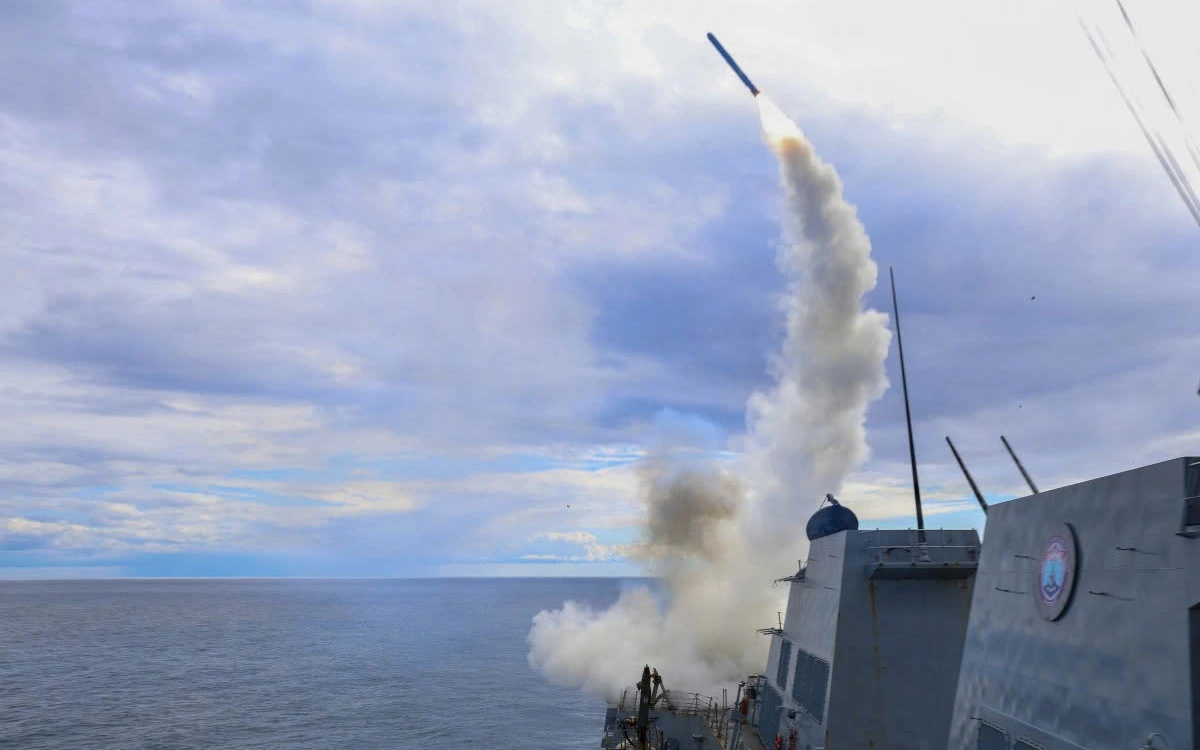
The Lebanese government has condemned the airstrikes, calling them a violation of international law and an attack on Lebanese sovereignty. Prime Minister Najib Mikati issued a statement expressing solidarity with the victims and condemning the destruction caused by the Israeli strikes.
“Israel’s actions are a blatant violation of Lebanon’s sovereignty, and we will hold them accountable for the bloodshed and destruction they have caused,” Mikati said. “The Lebanese people will not be cowed by such aggression.”
Lebanon’s president, Michel Aoun, also called for international intervention to stop the violence and protect Lebanese civilians from further attacks. “The world must act to end Israel’s aggression and prevent further loss of life,” Aoun said.
International Reactions
The international community has expressed concern over the growing violence. The United Nations has called for an immediate ceasefire and urged both Israel and Hezbollah to exercise restraint to prevent further escalation. “We are deeply concerned about the civilian casualties and the destruction caused by this violence,” a UN spokesperson said. “Both sides must prioritize the safety of civilians and return to negotiations.”
The United States, a key ally of Israel, expressed support for Israel’s right to self-defense, but also called for restraint to avoid further civilian harm. “We stand with Israel in its right to defend itself against Hezbollah’s aggression, but we urge all parties to take steps to prevent further loss of life,” U.S. Secretary of State Mark Johnson said.
Hezbollah has yet to respond to the airstrikes with further rocket fire, but the group has vowed retaliation in the past. The escalation has many fearing that the conflict may soon spill over into a wider war that could involve other regional powers.
Looking Ahead
With the death toll continuing to rise and the humanitarian situation worsening, the next steps in the conflict are uncertain. Israel has vowed to continue its operations against Hezbollah, while Lebanon and Hezbollah have made it clear that they will not back down from defending their positions.
The international community remains on edge, hoping for a diplomatic resolution to avoid further bloodshed. However, as airstrikes continue, it seems increasingly unlikely that the situation will de-escalate without a larger intervention or a dramatic shift in strategy from either side.