IRGC Claims Full Destruction of U.S. AN/FPS-132 Radar System in Qatar
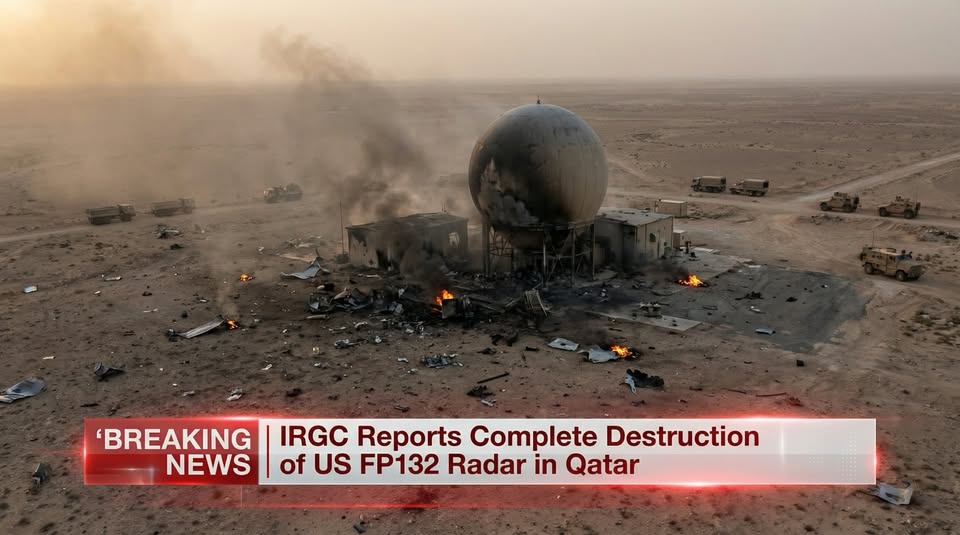
IRGC Claims Full Destruction of U.S. AN/FPS-132 Radar System in Qatar
Tehran, Iran / Washington, D.C. — The Iranian Revolutionary Guard Corps (IRGC) has claimed full responsibility for the destruction of the U.S. AN/FPS-132 radar system in Qatar. According to a statement from the IRGC, the advanced radar, which is capable of tracking ballistic missiles and has a range of up to 5,000 km, was “completely destroyed” in a missile and drone strike earlier today.
The AN/FPS-132 radar is one of the U.S. military’s most sophisticated early-warning systems, crucial for detecting incoming ballistic missiles and hypersonic threats. Its destruction represents a significant blow to U.S. defense capabilities in the region, particularly at a time of heightened tensions between the U.S. and Iran.
Details of the Attack
The IRGC’s statement confirmed that the strike targeted the radar system at a U.S. base in Qatar, where the AN/FPS-132 was stationed as part of the U.S. missile defense network. The strike reportedly involved a combination of missile and drone technology, including Iranian Shahed drones, which have been increasingly used to target key U.S. and Israeli military assets in the region.
“The U.S. radar system, with its unique ballistic missile tracking capabilities, has been completely destroyed as part of our ongoing campaign to neutralize U.S. military assets in the region,” the IRGC said in their statement.
Impact and Strategic Consequences
The destruction of the AN/FPS-132 radar system severely hampers the U.S.’s ability to monitor ballistic missile threats in the region. With its 5,000 km range, the radar system was crucial for early detection of missile launches from Iran or its allies, as well as for tracking missiles across the Middle East.
Military analysts are warning that this strike represents a major shift in the capabilities of Iranian forces, as they now have the ability to neutralize some of the U.S. military’s most advanced defense systems using a combination of drones and missiles. The loss of such an essential radar system also disrupts U.S. defensive and deterrence capabilities, especially in light of ongoing tensions with Iran.
U.S. Military Response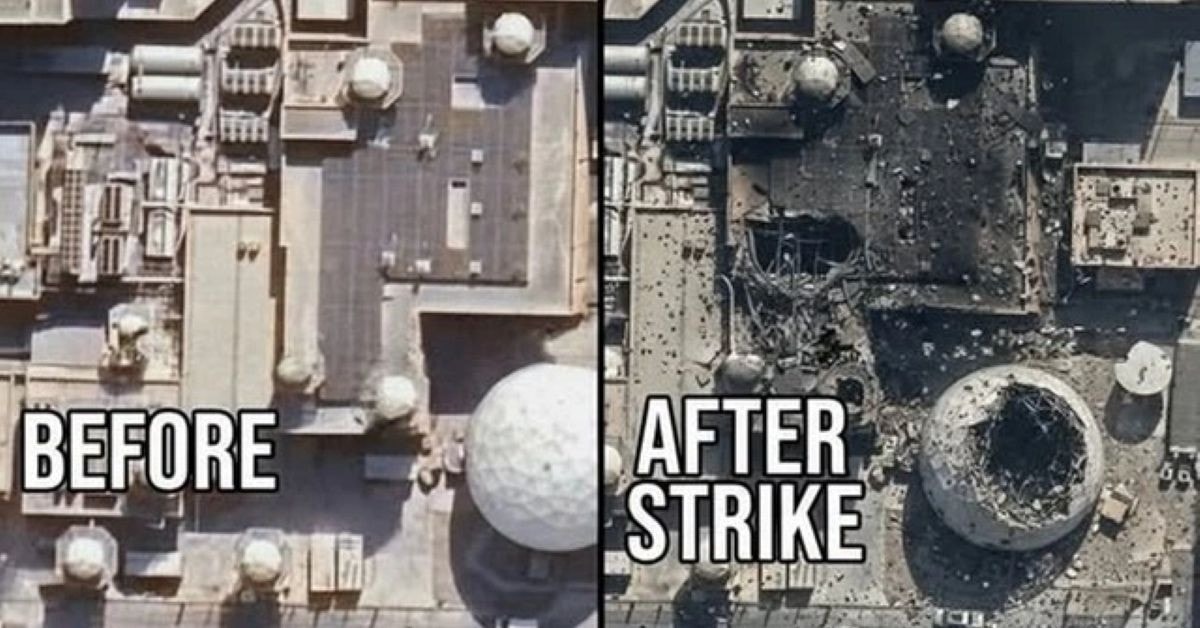
The Pentagon has yet to issue a full statement on the extent of the damage to the radar system, though reports indicate that the U.S. military is actively assessing the situation and preparing for potential follow-up strikes or retaliatory actions.
“We are aware of the attack on the AN/FPS-132 radar in Qatar, and we are taking immediate action to ensure the safety of our forces and assets in the region,” a Pentagon spokesperson said. “We will continue to strengthen our defense capabilities and respond appropriately to any further threats.”
Global Reactions
The destruction of such a critical defense asset has sparked immediate concern from both the U.S. and its allies, with many world leaders calling for calm and urging both sides to de-escalate tensions. U.S. allies in the region, including the UAE and Saudi Arabia, have expressed deep concern about the growing vulnerability of military assets to Iranian missile and drone strikes.
The United Nations Security Council has called for an emergency session to address the mounting tensions, while NATO allies have pledged to bolster their defensive postures in the region.
Looking Ahead
This strike is the latest in a series of escalating hostilities between the U.S. and Iran, with both sides seemingly on a collision course. The destruction of the AN/FPS-132 radar represents a significant achievement for the IRGC, but it also raises the stakes for any potential retaliation by the U.S. and its allies. Analysts predict that this attack may lead to further missile and drone strikes from Iran, and potentially a wider regional conflict if tensions continue to rise.
The situation remains fluid, and both military and diplomatic efforts will be crucial in determining the next steps in this rapidly escalating conflict.