Ancient Discovery in China: 1.77-Million-Year-Old Fossil Sheds Light on Early Human History in East Asia

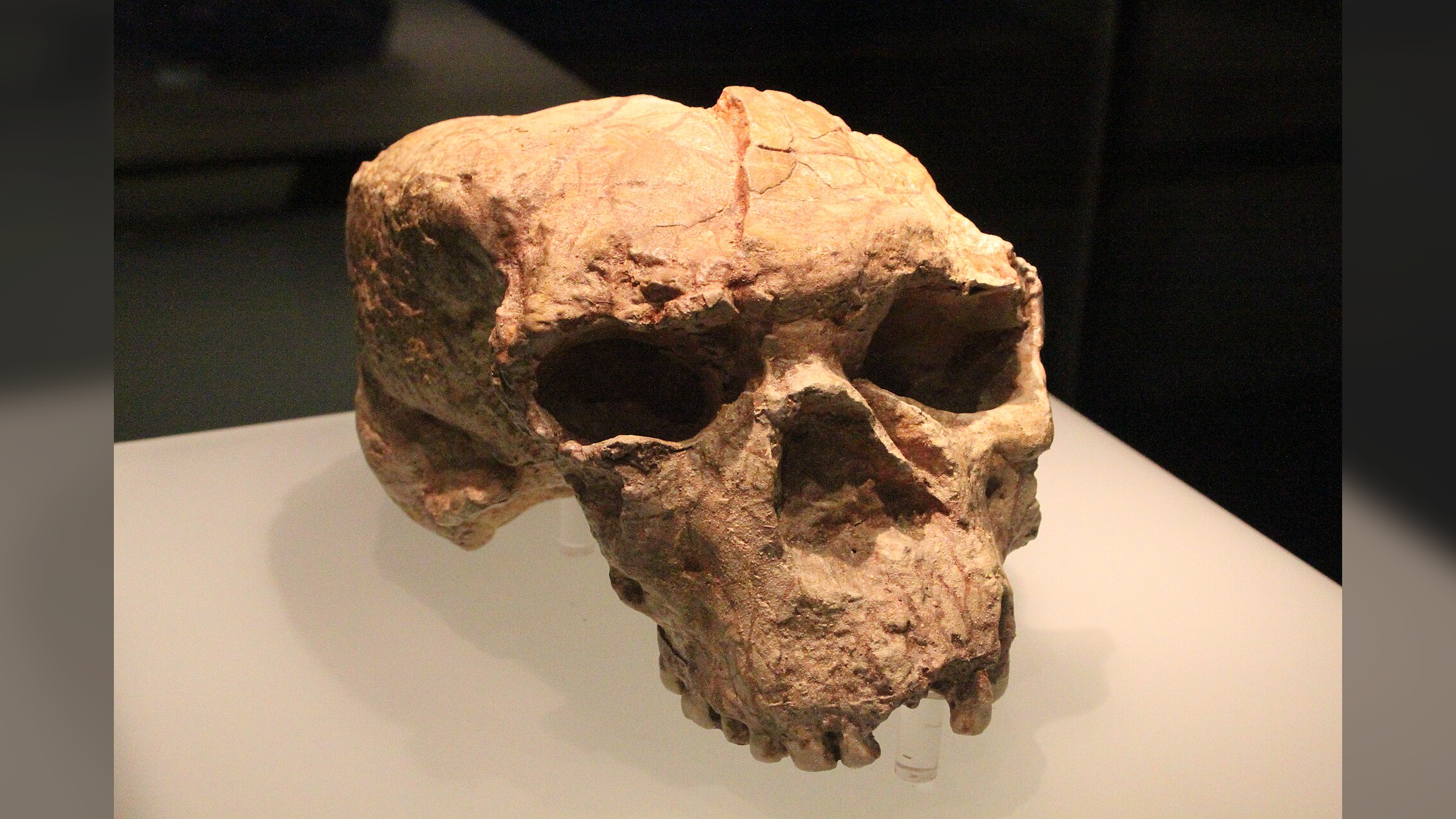
A remarkable archaeological discovery in China is offering new insights into the early history of human evolution in East Asia. Scientists have uncovered a fossil estimated to be around 1.77 million years old, making it one of the oldest pieces of evidence of early human presence in the region.
Researchers believe the fossil may belong to Homo erectus, a species known for its ability to migrate long distances and adapt to diverse environments. This finding suggests that early humans may have arrived in East Asia much earlier than previously thought, challenging existing theories about migration timelines.
The fossil was discovered at a carefully studied excavation site, where scientists have been analyzing layers of sediment to reconstruct ancient environments. Preliminary findings indicate that early humans in the area may have used simple tools and adapted to changing climates.
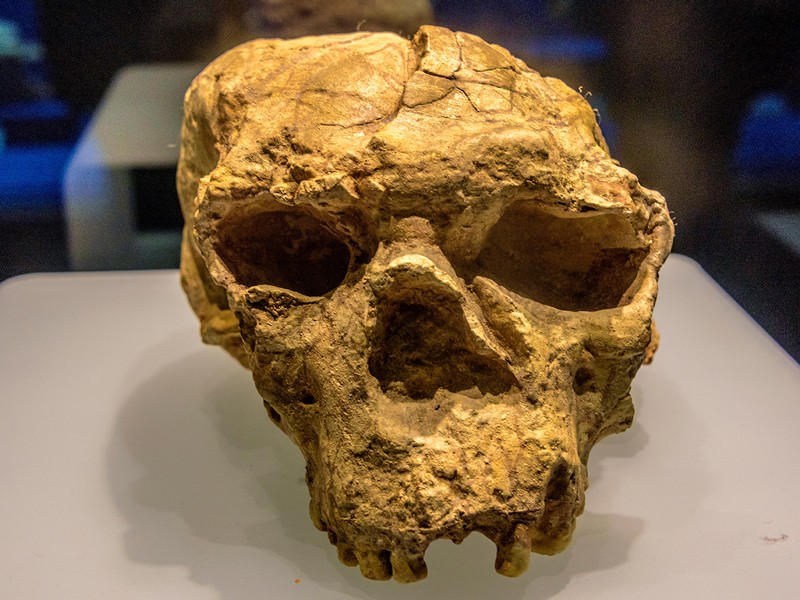
Experts say the discovery could reshape our understanding of how early humans spread across continents. It also highlights East Asia as a crucial region in the story of human evolution, rather than a peripheral one.
Further research and analysis are expected to provide deeper insights into the behavior, lifestyle, and migration patterns of these ancient ancestors.