High-Stakes Gamble: Is Trump’s Iran Regime Strategy His Riskiest Move Yet?
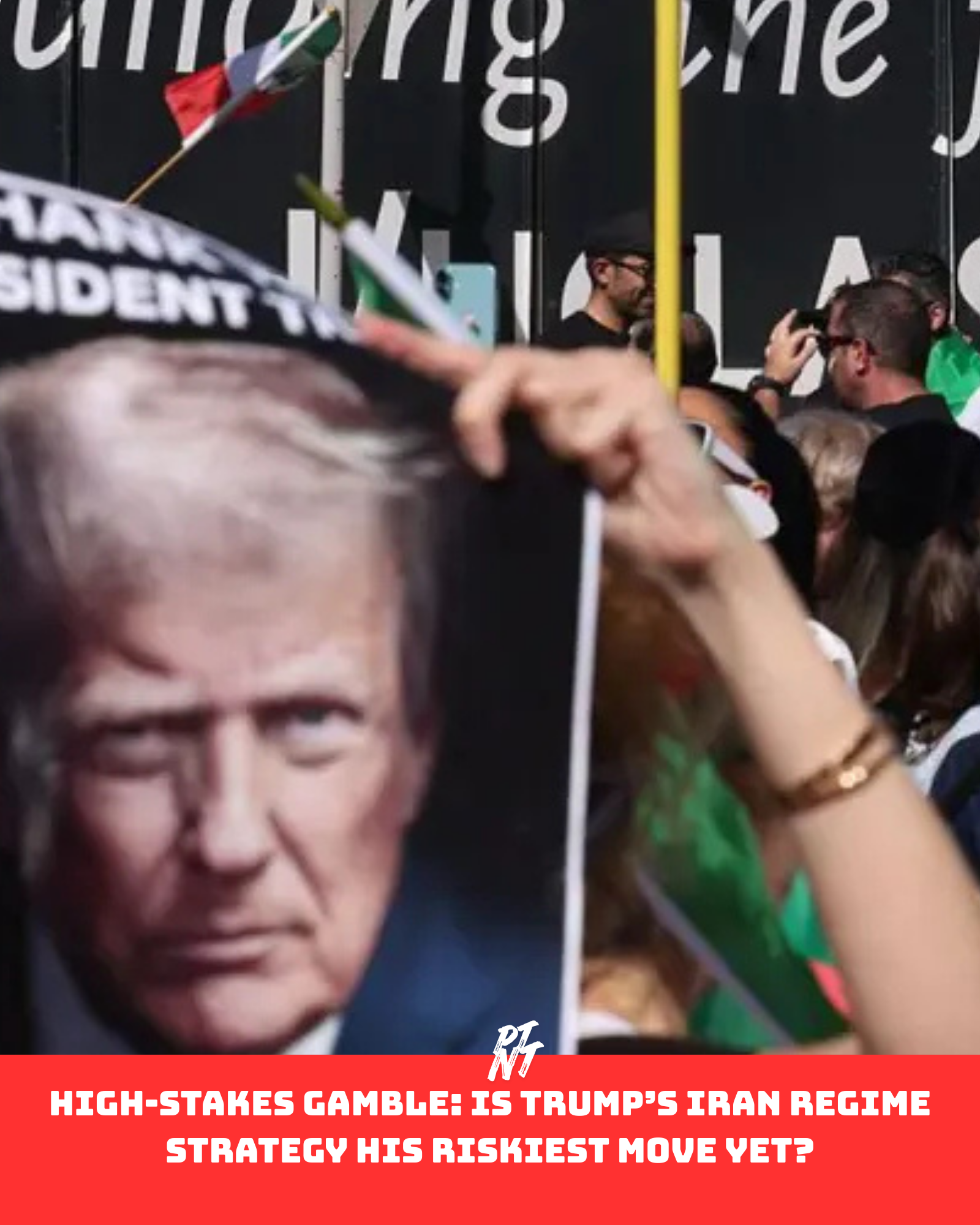
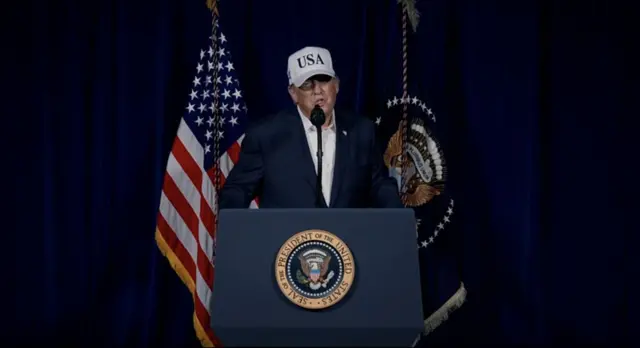
A growing debate is emerging over whether former U.S. President Donald Trump is pursuing the most dangerous geopolitical gamble of his career: attempting to reshape—or even dismantle—the current leadership structure in Iran.
Analysts warn that any push toward regime change in Tehran carries enormous uncertainty. Iran is not a small or isolated state; it is a regional power with deep political networks, military capabilities, and influence across the Middle East. Efforts to destabilize such a system could trigger widespread consequences, from internal unrest to a broader regional conflict.
Supporters of a tougher approach argue that sustained pressure—military, economic, and political—could weaken the ruling establishment, especially amid existing domestic dissatisfaction. Some believe this could open a path for internal transformation without direct invasion.
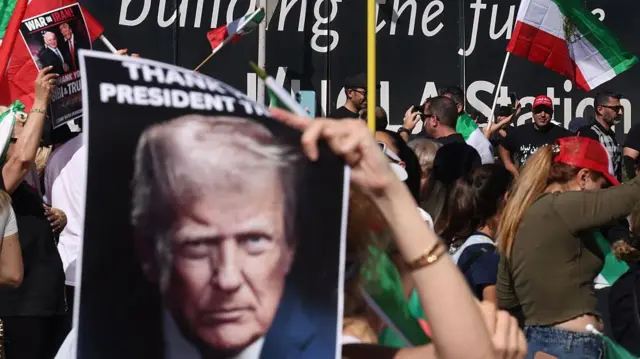
However, critics caution that history offers sobering lessons. Attempts at externally driven regime change have often led to prolonged instability rather than quick transitions. In Iran’s case, the risks could include civil conflict, disruption of global oil supplies, and escalation involving other major powers.
The stakes extend far beyond Iran itself. Any miscalculation could ripple across global markets, energy security, and international alliances, making this not just a regional issue—but a defining test of global stability.