Rising Tensions: Iran Rejects U.S. Talks as Conflict Deepens
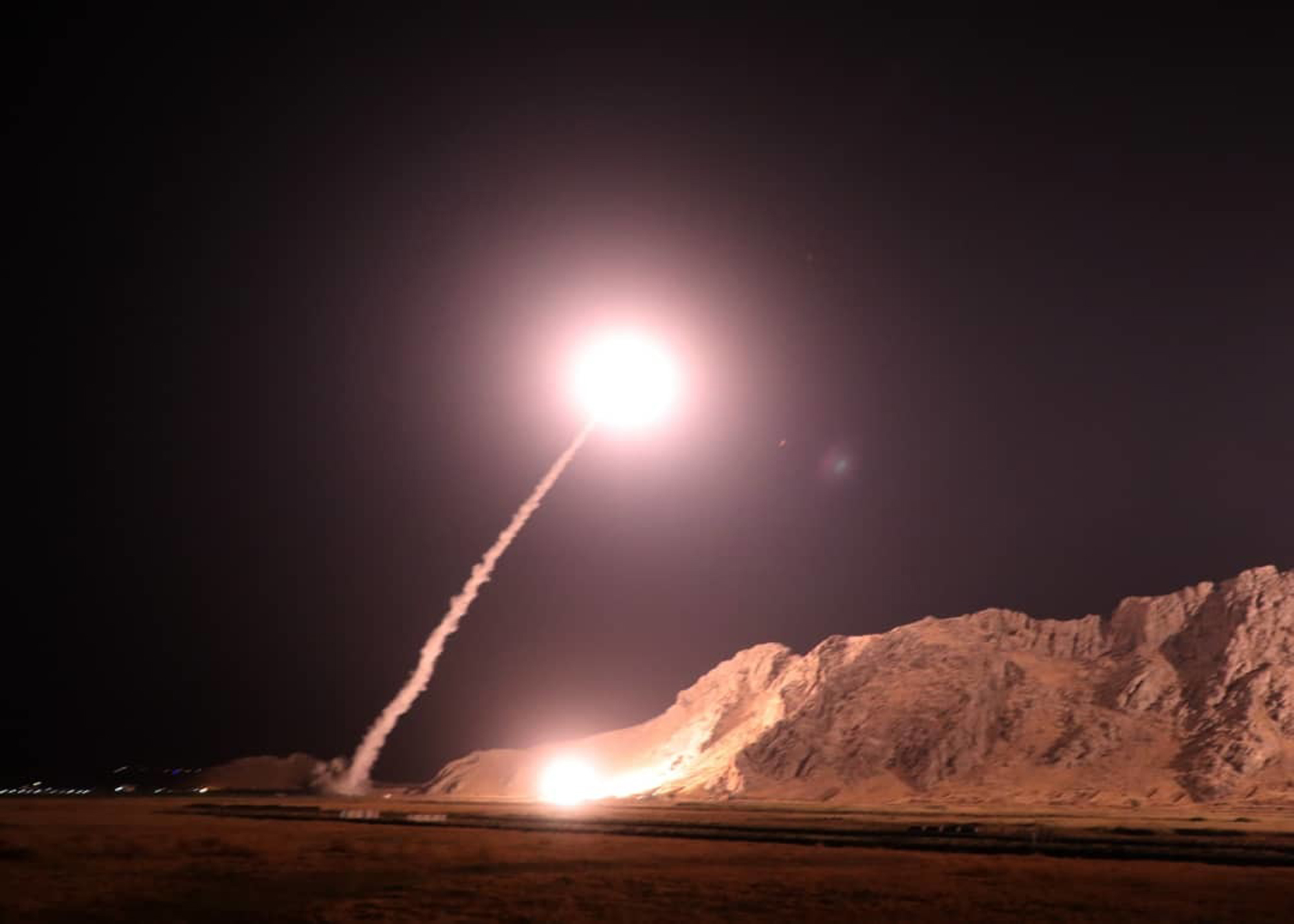
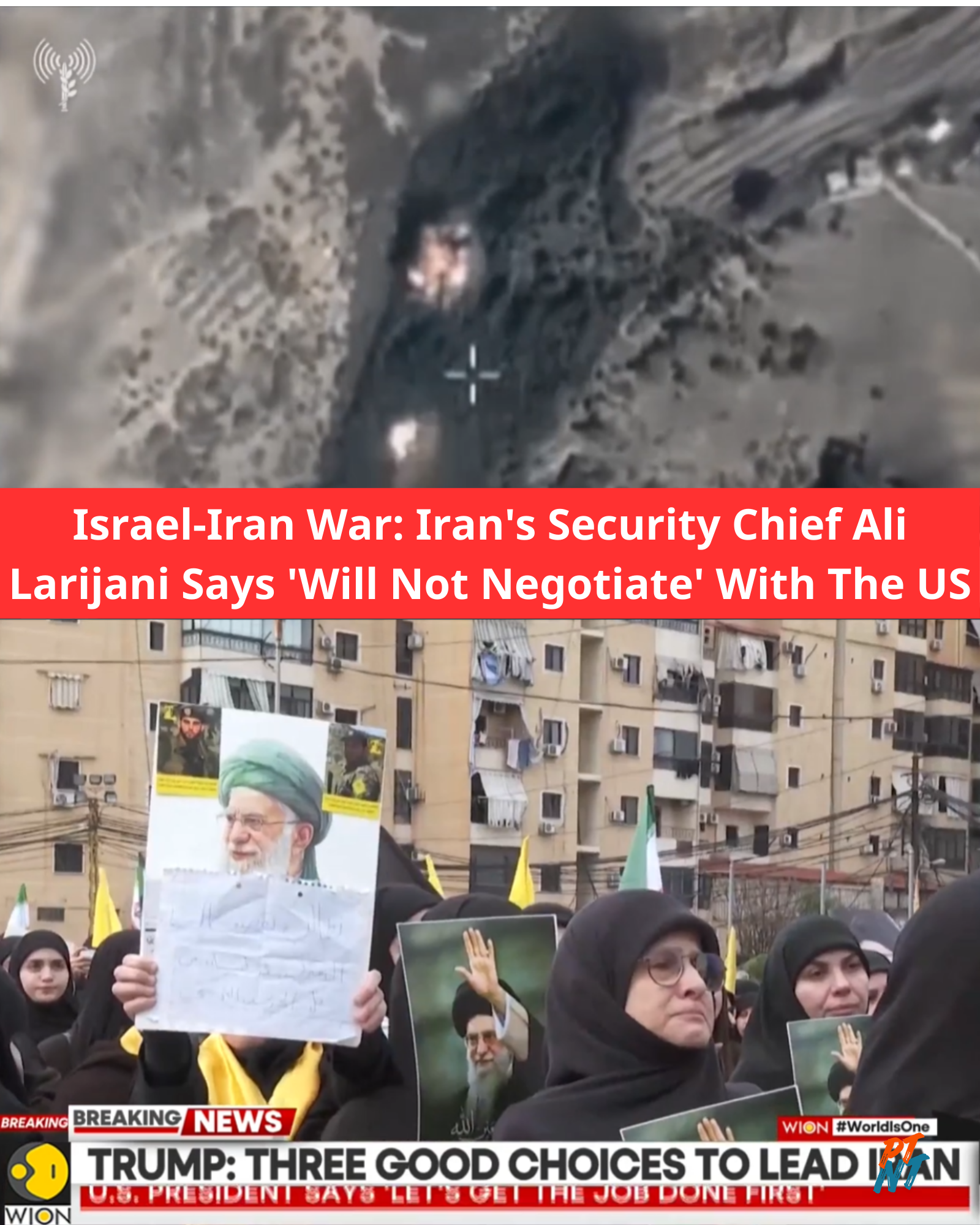
Iran’s top security official, Ali Larijani, has firmly rejected the possibility of negotiations with the United States, declaring that Tehran will not return to talks amid escalating military tensions in the region. His statement comes in the aftermath of renewed strikes involving Israel and the United States, which have significantly disrupted prior diplomatic efforts.
According to recent reports, Larijani dismissed claims that Iran had sought to reopen dialogue through intermediaries, instead emphasizing a hardened stance. This marks a sharp shift away from diplomacy at a time when the region is already facing heightened instability.
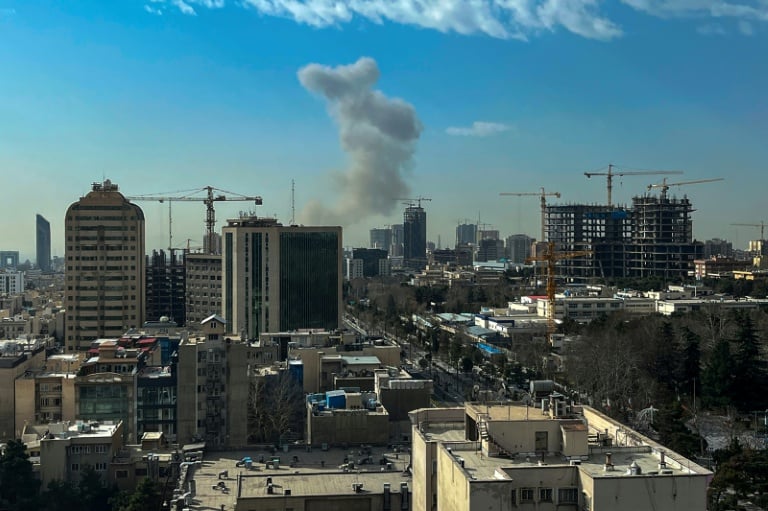
The refusal to negotiate raises concerns about further escalation, particularly as military activity intensifies and economic pressures mount globally. Oil markets have shown signs of volatility, reflecting fears that prolonged conflict could disrupt key shipping routes and energy supplies.
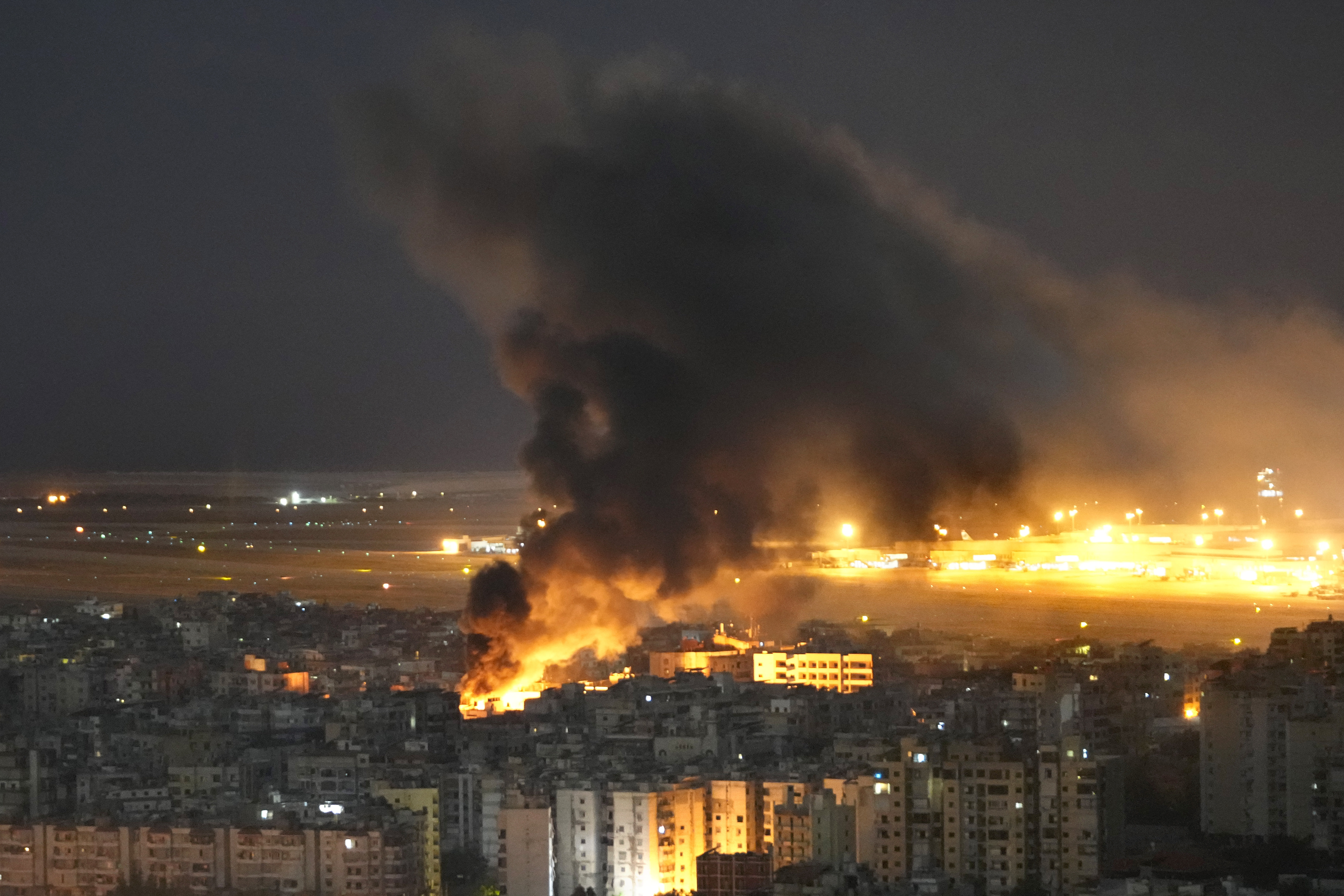
Analysts warn that without diplomatic channels, the risk of miscalculation increases significantly. With both sides appearing entrenched, the situation remains fluid—and potentially volatile—leaving the international community closely monitoring every development.