The “Triangle” Mystery: Fact-Checking the Latest NASA Feed Rumors
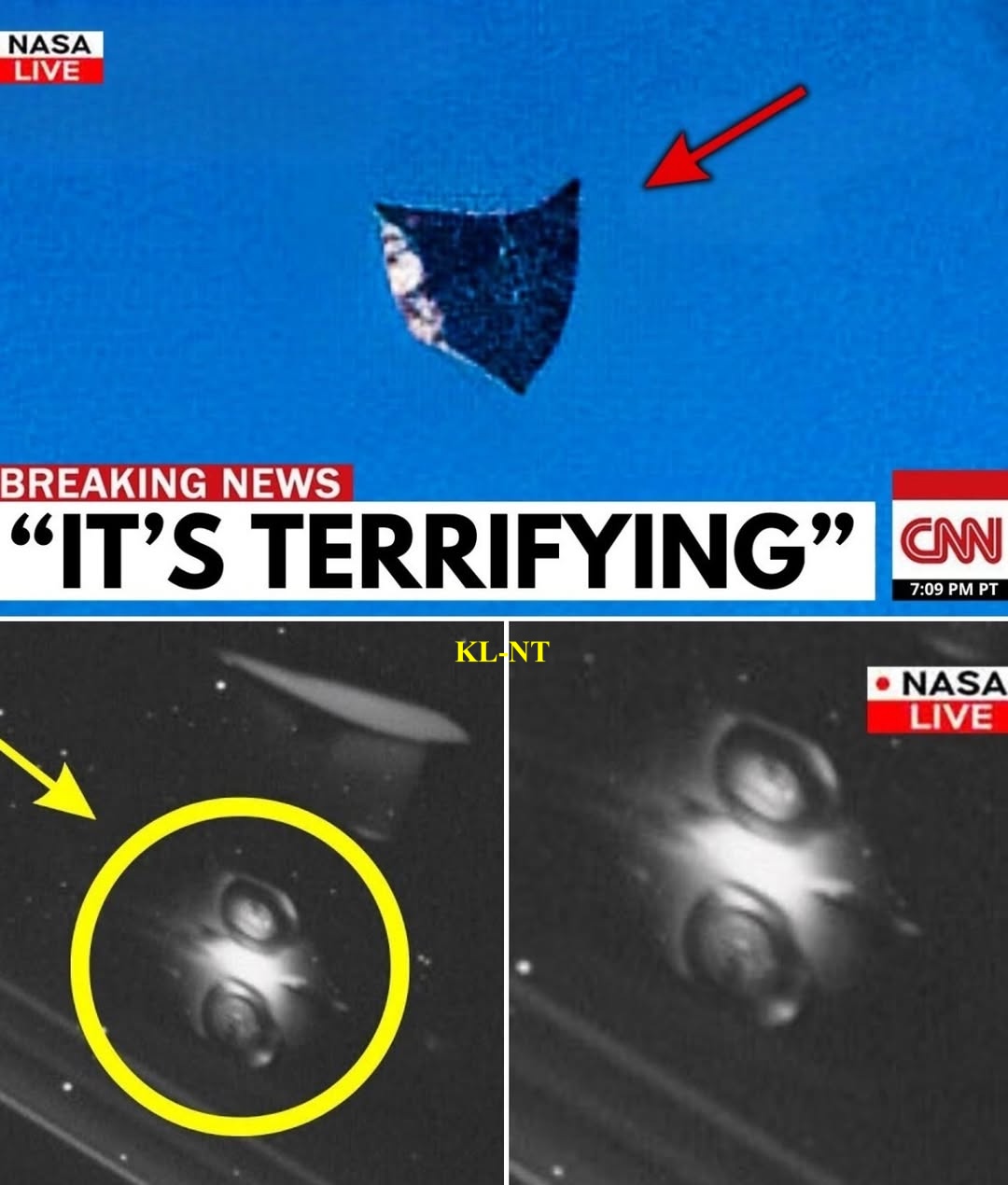
Headlines are circulating across social media platforms claiming that NASA’s International Space Station (ISS) live feed was intentionally shut down to hide evidence of advanced, non-human technology. According to viral posts, the footage briefly showed a large triangular craft and a shimmering, multi-faceted object before “loss of signal” occurred.
However, as of today, March 2, 2026, there has been no official confirmation or verified data from NASA, the European Space Agency (ESA), or any reputable astronomical body to support the idea that these were “unidentified” craft.
The Science of “The Cut”
The most suspicious part of these claims for many is the timing of the feed interruption. While it may seem convenient, NASA has long explained that “loss of signal” (LOS) is a routine part of ISS operations. The station relies on the Tracking and Data Relay Satellite (TDRS) system to beam video to Earth. As the ISS travels at 17,100 mph, it must frequently switch between different satellites in the relay network.
During these handovers, or when the station passes through “zones of exclusion” (areas with no satellite coverage), the feed automatically cuts to a blue or black screen. These interruptions are technical, not tactical.
What Are the Objects?
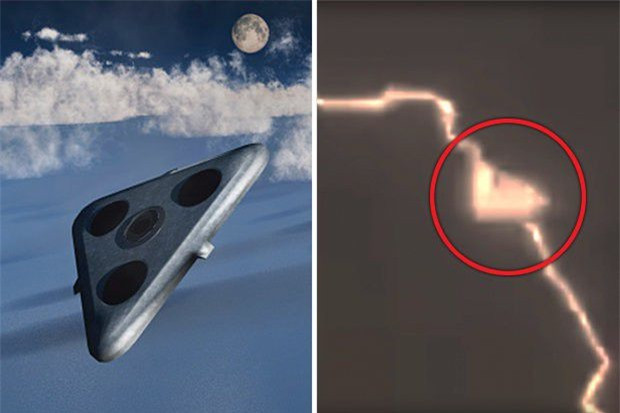
Aviation and space experts emphasize that what looks like an “advanced craft” on a low-resolution livestream is almost always something much more common:
-
Space Debris and Satellites: With thousands of satellites now in orbit, it is increasingly common for a piece of hardware or a spent rocket stage to drift into the camera’s field of view.
-
Lens Artifacts and Reflections: Bright, “multi-faceted” objects are often just sunlight reflecting off the ISS’s own solar panels or the station’s windows.
-
Sensor Noise: In the vacuum of space, high-energy cosmic rays can strike the camera sensor, creating bright spots or “geometric” shapes that appear to move or pulse.
Navigating Space Misinformation
In the age of viral media, it is easy for a “lens flare” to be rebranded as a “UFO” within minutes. While the 2026 solar maximum has indeed increased atmospheric activity and the visibility of some orbital phenomena, there is currently no credible evidence that these recent sightings represent anything other than routine space artifacts.
As the ISS continues its mission, NASA maintains a policy of open data. Most “unexplained” clips are eventually identified as known spacecraft—such as recent SpaceX Dragon resupply missions—viewed from unusual angles or under specific lighting conditions.
For now, the consensus remains: until a multi-faceted craft is tracked by independent radar and verified by international space agencies, it remains a mystery of optics rather than a mystery of the cosmos.