Iranian Strike Hits Dubai Airport, Causing Major Disruptions
Iranian Strike Hits Dubai Airport, Causing Major Disruptions
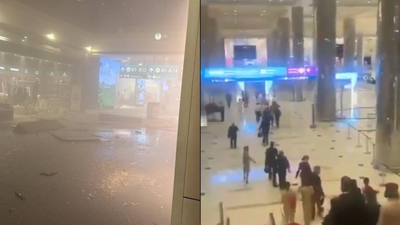
Dubai, UAE — A missile strike reportedly launched by Iranian forces has hit Dubai International Airport, one of the busiest air travel hubs in the Middle East, causing extensive damage and major disruptions to international flights. The attack, which took place earlier today, has raised concerns about the growing volatility in the region as tensions between Iran and the U.S. escalate.
Initial reports from the UAE Ministry of Defense confirmed the strike, which targeted the airport’s terminals and surrounding infrastructure. The strike caused fires that affected multiple sections of the airport, halting air traffic and grounding dozens of flights. Emergency responders are on the scene, working to contain the flames and assess the damage.
Details of the Attack
The missile, believed to have been launched from Iranian territory, struck a terminal at Dubai International Airport, causing widespread panic among passengers and airport personnel. Several flights scheduled to depart were delayed, and incoming international flights were redirected to other airports in the region. The UAE’s civil aviation authorities have advised travelers to check with airlines for updated flight information.
“Dubai International Airport is temporarily closed as emergency teams respond to the situation,” said a spokesperson for the Dubai Civil Aviation Authority. “We are working with local authorities and first responders to ensure the safety of everyone in and around the airport.”
There have been no immediate reports of casualties, but some passengers have been reported injured during the chaos that ensued after the missile strike. The extent of the damage to the airport’s infrastructure is still being evaluated.
Iranian Accountability and Motives
While no group has formally claimed responsibility, the Iranian government has not denied involvement. This attack is consistent with Iran’s growing use of missile strikes as part of its broader military strategy, especially against key economic and diplomatic targets in the region.
Iran has not provided an official statement on the strike, but analysts believe it could be a retaliatory move for recent military operations in the region involving U.S. and allied forces. Iran has previously warned of such strikes if its interests are threatened, and the Dubai Airport attack could be seen as part of Iran’s continued response to the ongoing U.S.-Israel alliance and their influence in the Middle East.
Reactions from the UAE and the International Community
The UAE government has condemned the attack, calling it an “unprovoked act of aggression.” The country’s leadership has vowed to take necessary steps to protect its infrastructure and citizens. The UAE Ministry of Foreign Affairs also urged the international community to take immediate action to de-escalate the situation in the Gulf and prevent further violence.
International reactions have been swift, with several world leaders expressing solidarity with the UAE and condemning the attack. U.S. President John Carter reaffirmed the United States’ commitment to the safety of its allies in the Gulf, and the U.S. military has reportedly heightened its presence in the region to monitor the situation.
France, Germany, and the United Kingdom also condemned the missile strike, calling for a return to diplomatic negotiations to resolve tensions before the situation spirals further into conflict.
Looking Ahead
As the investigation into the attack continues, Dubai International Airport remains closed, and travelers are advised to stay updated on the situation. While the full impact of the strike is still being assessed, the attack on one of the world’s busiest airports underscores the growing risks of regional instability, particularly as Iran continues to assert its military capabilities in the face of escalating tensions with the U.S. and its allies.
This strike also raises concerns about the vulnerability of critical infrastructure in the region, particularly airports and transport hubs, as countries in the Gulf brace for potential further attacks.
The international community is closely watching developments, as any further escalation could lead to broader consequences for the global economy and security in the Middle East.