65 years of turbulent US-Iran relations
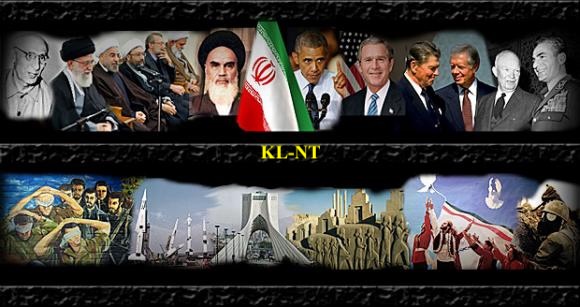
From the coup orchestrated by US and British intelligence agencies to overthrow Iranian Prime Minister Mohammad Mosaddeq in 1953 to the US airstrike that eliminated General Qassem Soleimani on January 3rd, what ups and downs have US-Iran relations experienced?
🔹 1953 Coup — Overthrow of Mossadegh
In August 1953, the CIA and British intelligence orchestrated a coup that removed Iran’s democratically elected Prime Minister Mohammad Mosaddegh after he nationalized the country’s oil industry. The coup reinstalled Shah Mohammad Reza Pahlavi with strong U.S. support. This intervention — later acknowledged by the U.S. — left deep resentment in Iran and is widely seen as a root cause of long-term distrust between the two nations.
🔹 1950s–1970s — U.S. Ally to the Shah
Following the coup, the U.S. and Iran were close allies during the Cold War. The U.S. helped build Iran’s military and intelligence services, and signed a Treaty of Amity with Tehran in the 1950s. This period saw cooperation on weapons and civil nuclear technology under the “Atoms for Peace” program.
🔹 1979 Islamic Revolution — Severing Ties
The U.S.-backed Shah was overthrown in the 1979 Islamic Revolution, which brought Ayatollah Ruhollah Khomeini to power and transformed Iran into an Islamic Republic. Hostility toward the U.S. spiked, especially after revolutionaries seized the U.S. Embassy in Tehran and held 52 American hostages for 444 days, ending formal diplomatic relations.
🔹 1980s–2000s — Proxy Conflicts & Sanctions
Relations remained hostile for decades. Iran supported armed groups opposed by the U.S. and its allies, while the U.S. imposed sanctions and supported Iraq during the Iran-Iraq War. The U.S. also shot down an Iranian civilian airliner in 1988, worsening tensions.
🔹 2015 Nuclear Deal & 2018 Withdrawal
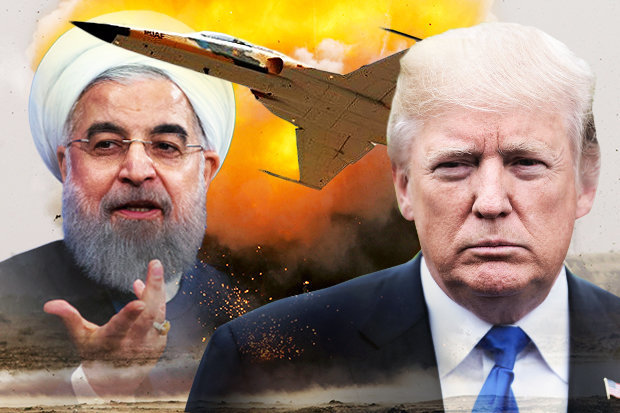
In 2015, Iran and world powers (including the U.S.) agreed to the Joint Comprehensive Plan of Action (JCPOA) to curb Iran’s nuclear program in exchange for sanctions relief. However, the U.S. withdrew under President Trump in 2018, reimposing sanctions.
🔹 2020 — Assassination of Qassem Soleimani
On January 3, 2020, a U.S. drone strike in Baghdad killed General Qassem Soleimani, head of Iran’s Quds Force — a central figure in Tehran’s regional strategy. The strike sharply escalated tensions; Iran vowed revenge and retaliated with missile launches at U.S. forces in Iraq.

🔹 2020s — Ongoing Tensions, Diplomacy, and Military Action
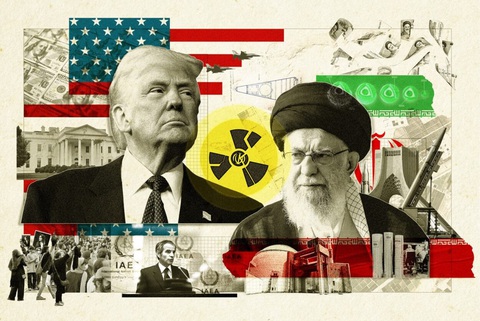
Since Soleimani’s death, relations have continued on a volatile path — with episodes of indirect diplomacy, heavy sanctions, allegations of regional proxy attacks, and, as of 2026, direct U.S.–Israeli strikes on Iranian infrastructure that resulted in the confirmed death of Iran’s Supreme Leader. These events highlight how trust has eroded and why the bilateral relationship remains one of the world’s most fraught.
In summary:
🇺🇸 1953 coup seeds decades of mistrust.
🇮🇷 1979 revolution severs relations entirely.
⚖️ 2015 nuclear deal shows potential cooperation — only for it to collapse.
💥 2020 Soleimani strike exemplifies direct military confrontation.
Each of these moments has reinforced a cycle of mistrust, conflict, and periodic attempts at negotiation — shaping a relationship that has often seemed irreconcilable.