Trump Confirms U.S. Participation in Attack on Iran: Tensions Escalate
Trump Confirms U.S. Participation in Attack on Iran: Tensions Escalate
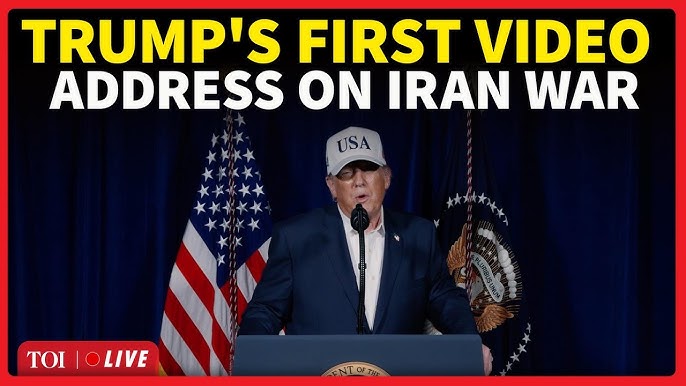
In a surprising and highly controversial move, Former U.S. President Donald Trump posted an eight-minute video on his social media platform Truth Social, where he confirmed that the U.S. had participated in an attack on Iran, marking a significant escalation in the ongoing tensions between the two nations.
The video, which was posted late last night, has raised eyebrows worldwide and triggered immediate responses from both U.S. allies and adversaries. Trump’s confirmation comes amid an already volatile geopolitical environment in the Middle East, where the U.S. and Iran have been locked in a standoff over various issues, including nuclear development, missile capabilities, and regional influence.
Trump’s Statement: “We Made an Effort”
In the video, Trump explained that the U.S. had been forced to act due to what he described as Iran’s continued missile threats and its destabilizing activities in the region. He emphasized that the U.S. had made numerous efforts to reach a diplomatic agreement with Iran, but these efforts were ultimately unsuccessful.
“We have repeatedly tried to reach an agreement. We have made an effort,” Trump said. He then confirmed that the U.S. military had carried out operations in cooperation with allied forces, which were intended to neutralize Iran’s missile capabilities and prevent any further escalation.
He also warned of more aggressive action in the future, stating, “We will destroy their missiles and major operational missile technologies. It will be completely wiped out.”
The U.S. Military’s Role in the Strike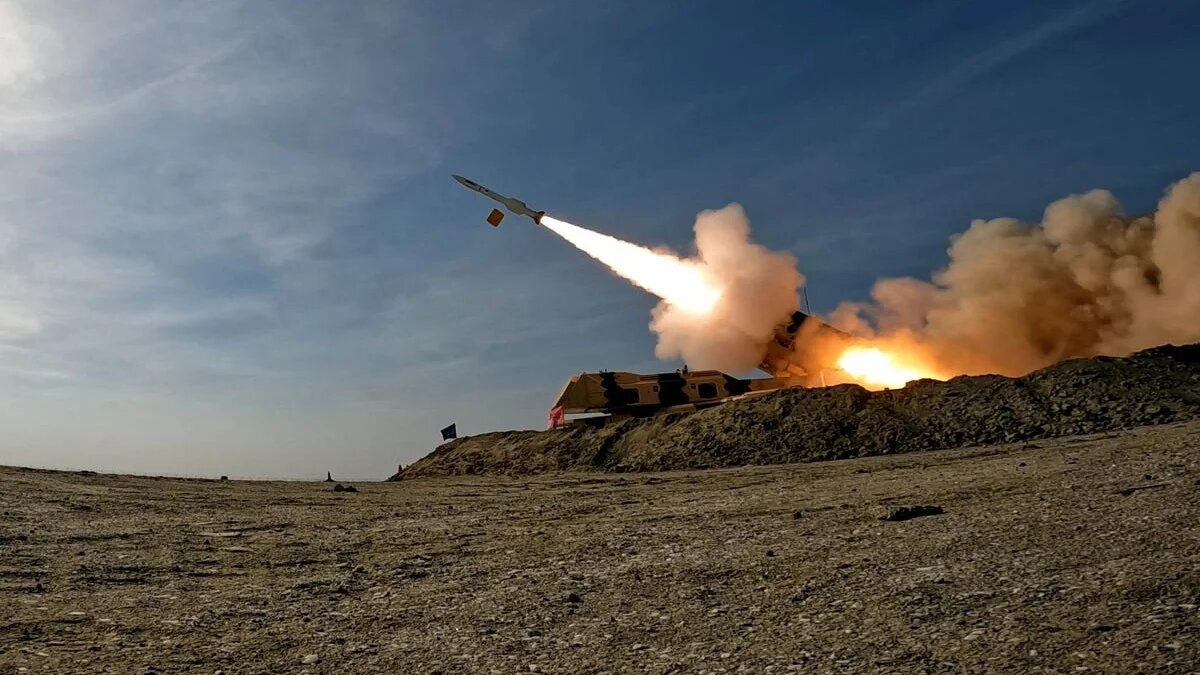
Trump’s statement was the first official confirmation that the U.S. military had played a direct role in the attack on Iranian missile sites. While the details of the operation remain unclear, multiple sources have indicated that the U.S. Air Force and naval assets may have been involved, likely targeting key missile storage facilities, launch sites, and command centers across Iran.
The coordinated strike reportedly came after Iran launched missiles toward Israel, raising alarms that the Islamic Republic’s missile program was becoming an increasing threat not only to Israel but also to U.S. military personnel in the region.
Geopolitical Repercussions
The confirmation of U.S. participation in the attack on Iran marks a sharp break from Trump’s previous policy of “maximum pressure” against Tehran during his presidency. Under his administration, the U.S. withdrew from the Iran nuclear deal and imposed harsh economic sanctions on the Iranian regime. However, these moves did not quell tensions, as Iran’s missile and nuclear ambitions continued to be a source of confrontation.
Many analysts speculate that the U.S.’s latest move could lead to further military engagements between the two powers, and potentially involve U.S. allies in the region. If the U.S. military expands its operations, it could have serious consequences for regional stability, especially in countries like Saudi Arabia, Iraq, and Syria, where Iran’s influence is strongly felt.
For Israel, which has long considered Iran’s nuclear program and missile development an existential threat, Trump’s actions will likely be seen as a bold step in securing their interests in the region. Israel’s Prime Minister has expressed support for the U.S. in the past and has hinted at possible collaboration should tensions with Iran escalate further.
Domestic Reactions in the U.S.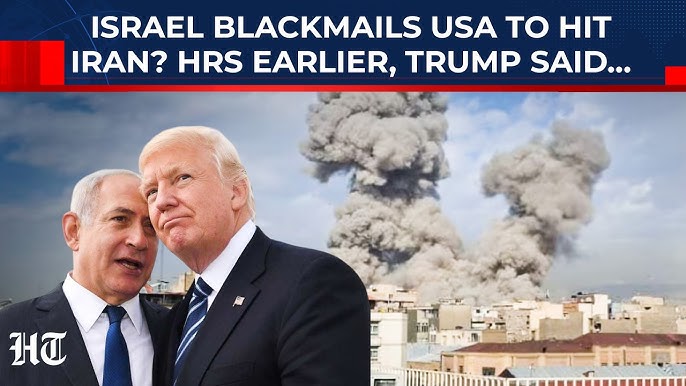
Trump’s announcement of military involvement in Iran has triggered a range of reactions within the U.S. political landscape. Critics of Trump’s foreign policy have questioned the decision to escalate military operations, with some calling it an act of reckless brinkmanship that could plunge the region into full-scale conflict. On the other hand, some Republican lawmakers have expressed support for the move, arguing that it demonstrates U.S. strength in the face of increasing threats from Iran.
Democrats, particularly those who opposed Trump’s previous interventions in the Middle East, have voiced concern over the lack of congressional approval for such military actions, citing the War Powers Resolution and the constitutional requirement for Congress to authorize military force.
International Reactions and Future Prospects
Internationally, the European Union has urged for restraint and has warned against escalating the conflict further. The United Nations has called for an emergency meeting to discuss the ramifications of the U.S. strike and the potential for broader instability in the Middle East.
Iran has yet to make an official response, though state-run media outlets have hinted at retaliatory actions. Iranian officials have previously threatened to attack U.S. interests in the region if military aggression continues. Many experts believe that Iran’s response could trigger proxy wars in Syria, Iraq, and Yemen, where Iran has significant influence.
The Bigger Picture: Will Diplomacy or Military Power Prevail?
Trump’s statement marks a pivotal moment in U.S.-Iran relations. The escalation of military actions raises critical questions about the effectiveness of diplomatic efforts and the long-term consequences of military interventions in a region that has been embroiled in conflict for decades.
For the U.S., the stakes are high: a failure to address the Iranian missile threat could embolden Tehran and its allies, leading to more widespread instability. On the other hand, continued military engagement without a clear strategy could lead to prolonged conflict and further undermine the U.S.’s international standing.
As of now, the situation remains fluid, and global actors are closely monitoring the unfolding events to assess the potential for peace or further escalation.
Conclusion: A Dangerous Path Forward
With President Trump’s confirmation of U.S. participation in the attack on Iran, the world is now facing the consequences of escalating tensions in the Middle East. Whether this strike marks the beginning of a new military confrontation or a turning point toward diplomatic resolution remains to be seen. As the situation evolves, international observers will closely watch how both the U.S. and Iran navigate these dangerous waters.