Missile Launch from Iran Triggers Air Raid Sirens in Israel
Missile Launch from Iran Triggers Air Raid Sirens in Israel
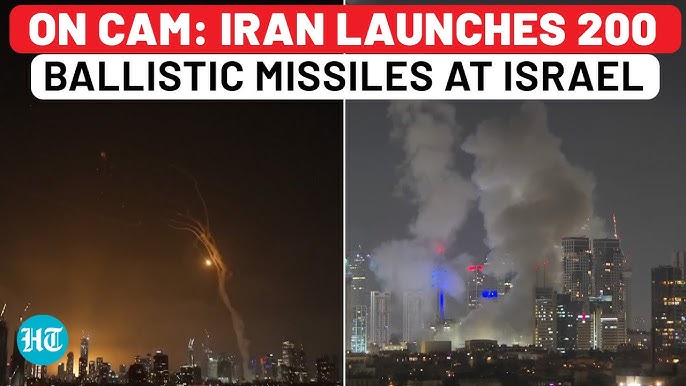
In a major escalation of tensions, the Israel Defense Forces (IDF) reported the detection of missiles launched from Iran toward the State of Israel. The launch prompted air raid sirens to sound across multiple areas of the country.
The IDF’s statement indicated that the missile launches were detected just minutes before the alarms went off, signaling the seriousness of the threat. Citizens were immediately urged to follow the instructions from Israel’s Internal Front Command to ensure their safety.
Israeli Air Force Response:
According to the IDF, the Israeli Air Force swiftly engaged in countermeasures, conducting interceptions of the incoming missiles and carrying out attacks as necessary to neutralize the threat. While Israel’s Iron Dome defense system is one of the most advanced and efficient missile defense systems in the world, the IDF reminded the public that the system is not invincible, and the risk of damage or casualties remained high.
“The defense system is not invincible, so it is essential that citizens continue to follow the instructions of the Internal Front Command,” the IDF stated, highlighting the ongoing risk.
Preemptive Israeli Strike on Iran:
In a significant development, Israel reportedly launched a preemptive strike against Iran, with U.S. forces providing support. This strike is believed to be a response to the missile threat and to neutralize Iran’s capabilities in the region. The preemptive nature of the attack suggests that Israel may have been preparing for such a confrontation, and the involvement of U.S. forces signifies the gravity of the situation.
While details about the specific targets of the strike remain unclear, such operations are likely aimed at Iranian military infrastructure, including missile launch sites, command centers, and possibly nuclear facilities, given the ongoing nuclear tension between the two nations.
Heightened Tensions in the Middle East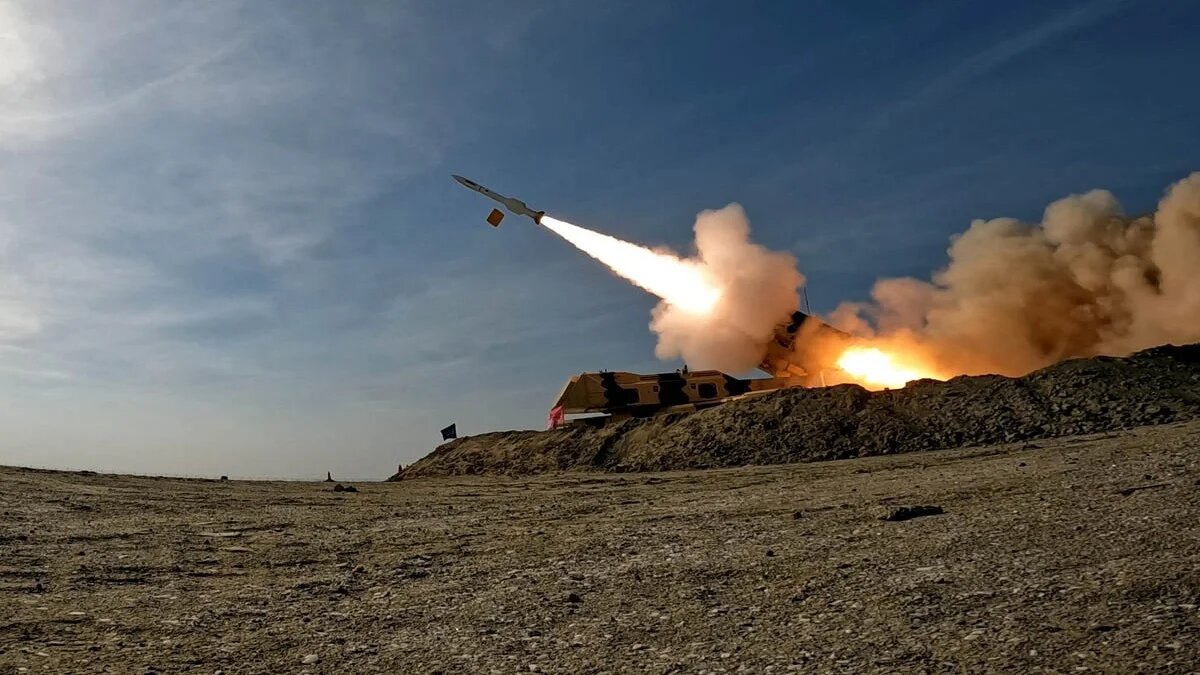
This latest incident represents a dangerous escalation in the ongoing standoff between Israel and Iran, both of which have been engaged in a shadow war for years. Tensions have been rising over Iran’s nuclear program, and Israel has repeatedly expressed concerns about Iran’s intentions in the region, particularly its support for proxy groups across the Middle East.
In recent months, there have been growing fears that Iran could either directly or indirectly target Israeli assets, either through cyberattacks, missile strikes, or via its allied militias in neighboring countries. The detection of missiles launched from Iranian soil marks the first confirmed instance of a direct missile threat from Iran in this escalation cycle, and it raises alarms about the potential for a broader regional conflict.
Global Reactions and International Implications
The incident has likely shocked the international community, and there will be widespread attention on how the United States and other global powers respond. While U.S. support for Israel has been unwavering, particularly in military matters, the international community will likely be divided on how to address the growing hostilities between Israel and Iran.
Countries with a strong interest in the stability of the Middle East, including European powers and regional players like Saudi Arabia, will be closely monitoring the situation, particularly with regard to any further military action, and whether diplomatic channels remain open.
The United Nations and other international organizations will likely call for de-escalation and may push for renewed diplomatic talks to prevent full-scale conflict, but with both nations deeply entrenched in their positions, a peaceful resolution seems uncertain in the near future.
What Comes Next?
As the situation unfolds, there will likely be continued military exchanges between Israel and Iran, and the U.S. military’s involvement will likely increase. Whether this attack leads to further regional conflict or serves as a catalyst for negotiations remains to be seen.
The IDF and other Israeli authorities will continue their efforts to safeguard the nation’s civilians, and the Iron Dome will likely remain a central element in Israel’s defensive strategy. However, the threat posed by Iranian missile capabilities and regional instability will remain high as both nations gear up for what could be a long-term confrontation.
This incident will undoubtedly reshape the geopolitical landscape of the Middle East and could have far-reaching consequences for U.S. foreign policy, especially in regard to its relationship with Israel, Iran, and other regional players.