WHAT WAS THE ATMOSPHERE LIKE IN IRAN BEFORE THE ATTACK?
WHAT WAS THE ATMOSPHERE LIKE IN IRAN BEFORE THE ATTACK?
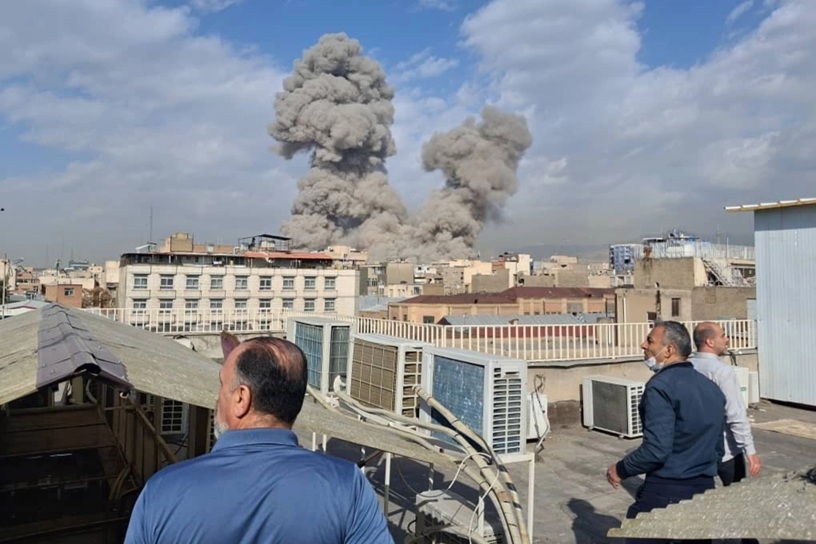
In the days leading up to the U.S. military airstrikes threat, Iran was a country gripped by fear, uncertainty, and a growing sense of tension. Across cities, particularly those like Tehran, Shiraz, and Isfahan, people were left to navigate an environment filled with both anticipation and desperation. Many found themselves unable to sleep at night, their minds racing with speculation about the political and military repercussions of the ongoing situation.
Sleepless Nights and Anxiety
As whispers about a potential airstrike mounted, the mood among Iranians became increasingly tense. Many individuals were not just afraid of the immediate military consequences, but also of what might happen to the country’s already fragile state in the event of an escalation. Rumors swirled through social media platforms, with some residents in capital cities mentioning they couldn’t even sleep for fear of hearing the sound of incoming missiles or aircraft.
The media blackout imposed by the government only fueled more uncertainty, leaving many feeling isolated from the outside world, unable to fully grasp the international developments. Amidst this, the authorities’ suppression of protests only added to the sense of helplessness. Iranians, particularly the younger generation, were torn between wanting to defend their country’s sovereignty and longing for the world to intervene after violent crackdowns on anti-government demonstrations.
Tracking the Skies: A Divided Generation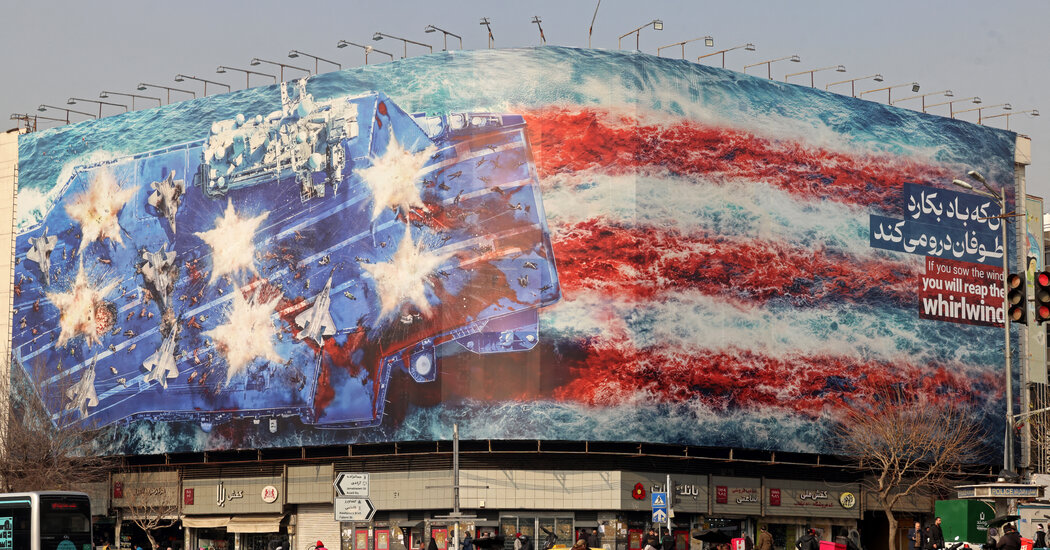
A significant portion of the younger generation in Iran, especially those who had actively participated in the anti-government protests, turned to digital platforms in search of information, hoping for clarity or a sign of what was coming next. These young people began monitoring aircraft and ship tracking websites, obsessively following military movements in the region. Some were anxious, fearing outside military interference in their country’s internal affairs, while others secretly hoped for it, believing that foreign intervention might help end the government’s violent repression.
The contradiction was clear: on one hand, they resented the idea of foreign powers influencing their sovereignty; on the other hand, after over 50 days of violent suppression, they yearned for external support. Their hopes for a more democratic future seemed increasingly linked to the hope that international actors, particularly the U.S., would stand up for their cause.
Growing Tensions and Escalating Protests
By the time the threat of U.S. airstrikes loomed, the Iranian government had already tightened control over the streets. Public demonstrations were met with brutal force—thousands of anti-government protesters were arrested, many more were injured, and the government had used a heavy-handed approach to silence dissent.
What started as a wave of protests, sparked by rising economic hardship and demands for political freedom, was now being met with increasing violence from the regime. For many Iranians, particularly in the cities where protests had been most prominent, the atmosphere felt like living under a siege. Streets were empty, businesses were shuttered, and the fear of retaliation kept many indoors.
Divided Hopes: Intervention vs. Sovereignty
At the heart of the tension was the conflict between national sovereignty and the desire for international intervention. The fear of foreign intervention was not without basis—past airstrikes and sanctions by the U.S. and its allies had caused considerable damage to Iran’s infrastructure and economy. Yet, as weeks of violent crackdowns unfolded, many people began to feel that their internal struggle for freedom and justice could no longer be won alone.
For some, the possibility of outside support—even from the U.S.—became a symbol of hope, a last resort after months of unmet demands for change. Yet, in parallel, the anxiety around foreign interference remained palpable. These young Iranians found themselves in a complex and painful dilemma: Would outside intervention help or harm their future?
A Nation on Edge
The uncertainty of the situation left Iranians feeling as though they were caught in the middle of two wars: one with their own government and one with external powers they couldn’t control. For many, it felt like an unprecedented moment in history, with the fate of the country hanging in the balance.
The silence of the night was broken by the constant drone of aircraft, and the rumors of military action sent an air of expectation and dread across the nation. The sound of protests that had once filled the streets now seemed to be replaced with whispers of an uncertain future.
For many young Iranians, these days would be remembered as a period of intense psychological strain, marked by unpredictable fear and silent hopes for change that they could not control. As the clock ticked toward a potential escalation, the question remained: would the international community take action, and if they did, what consequences would that have on Iran’s already fragile political landscape?