What Comes Next After 4 Killed by Cuban Troops on US-Registered Boat..hl
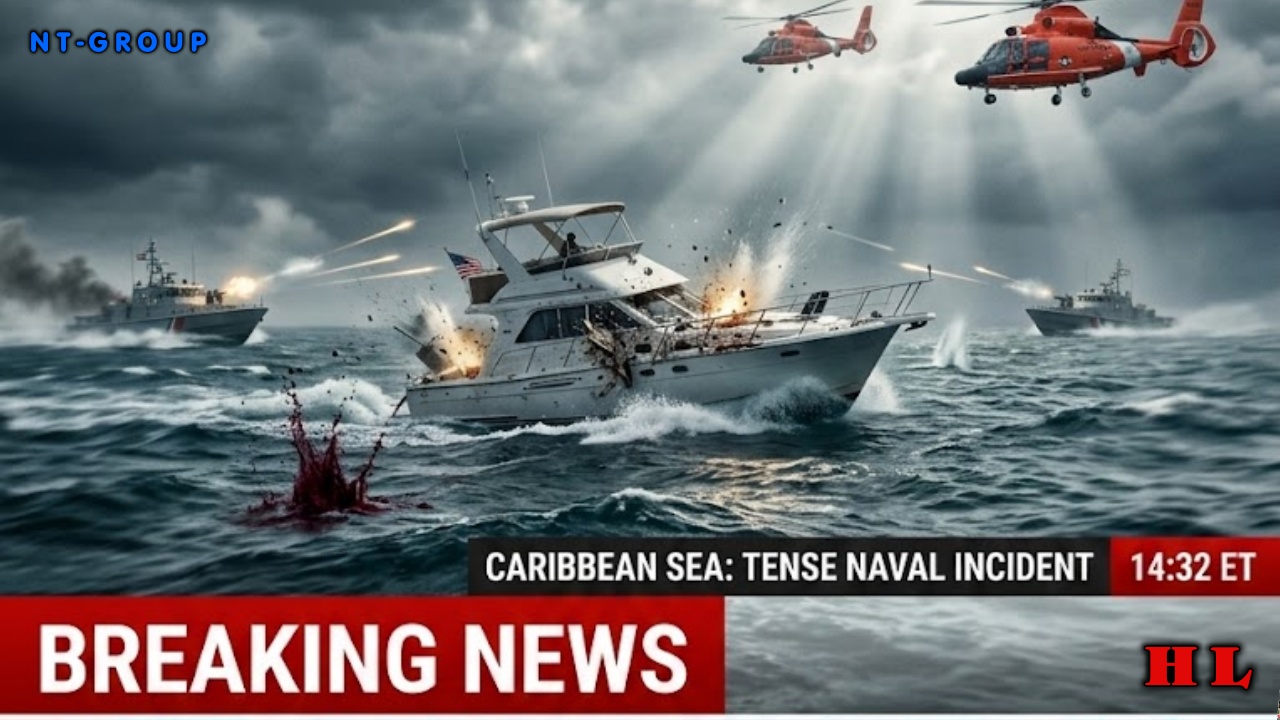
The shock of four people shot dead by Cuban forces on a U.S.-registered boat is now giving way to a far more dangerous phase: deciding how Washington responds — and how far Havana is willing to push back.
In Washington, lawmakers are already drafting measures to tighten sanctions, choke remittances and restrict travel, arguing that “business as usual” is impossible after live fire on a U.S.-flagged vessel. The administration faces a narrow path: respond too softly and invite more aggression, hit too hard and risk collapsing the fragile architecture that keeps mass migration and maritime incidents in check.
Diplomatically, the next flashpoint will be over access to survivors and evidence. U.S. officials are demanding independent medical reports, inspection of the seized boat and interviews with those detained. Havana insists its coast guard acted against a hostile incursion and is signaling it will not accept what it calls “political show trials in foreign media.” Any refusal to cooperate could push the crisis into the UN and the Organization of American States.
At home, the temperature is rising fastest in Florida. Exiles are staging protests outside Cuban diplomatic offices, and state leaders are calling for beefed-up Coast Guard patrols, broader no‑go zones and aggressive interception of any Cuban military craft edging toward U.S. waters. Each new confrontation at sea now carries the risk of miscalculation — a collision, a warning shot that lands too close, a radar blip read as an attack.
Whether this tragedy becomes a one‑off rupture or the start of a new Cold War‑style standoff will depend on decisions made in the coming days: will both sides accept an uncomfortable investigation — or double down on force and rhetoric?