If There Is a Diplomatic Failure With Iran, Military Action Is Possible: Analysis..hl
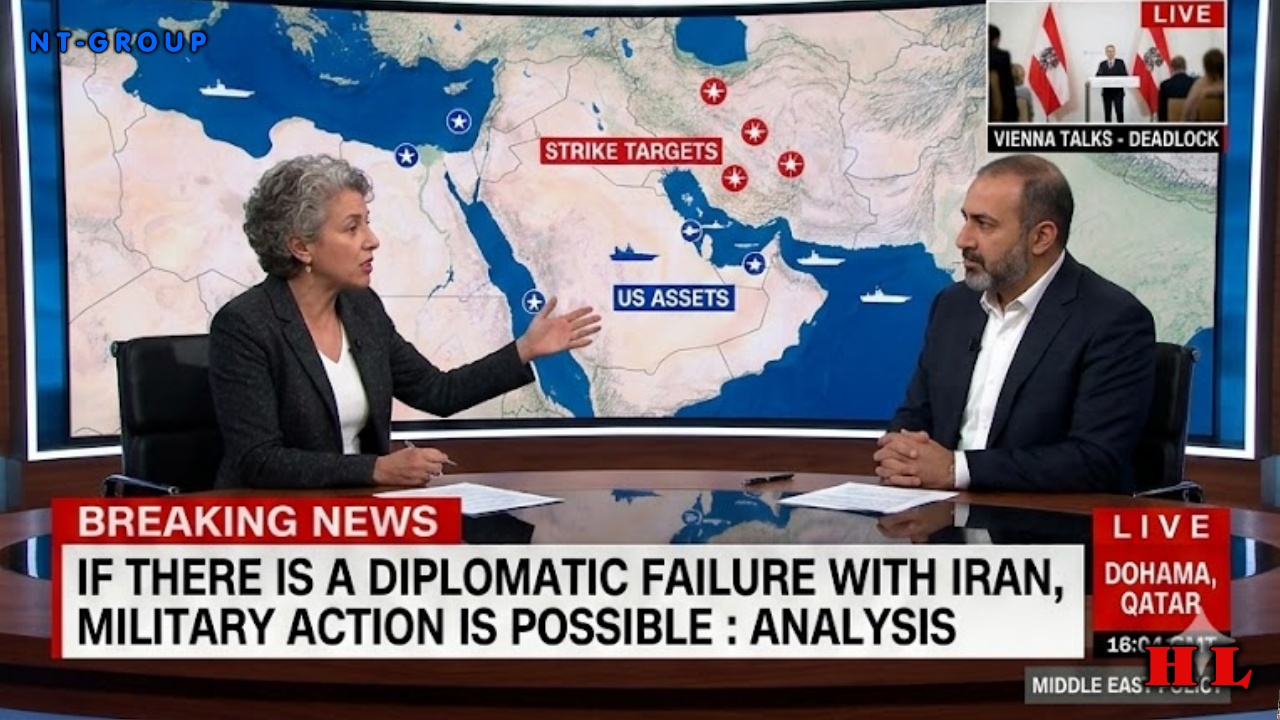
Behind closed doors, Western and Iranian negotiators are still trading draft texts — but war planners are already gaming out what happens if those talks finally collapse. For capitals on both sides, the stakes are brutally clear: if diplomacy fails to cap Iran’s nuclear and missile programs, military options move from the background to the briefing slide’s front page.
Officials insist force would be a “last resort,” yet the logic of deterrence is unforgiving. If inspectors lose meaningful access and Iran’s nuclear “breakout time” shrinks to weeks, pressure will surge in Washington, Jerusalem and key Gulf states to physically roll back the program — through covert sabotage, cyber‑operations, pinpoint airstrikes, or some mix of all three.
Any such move would almost certainly trigger retaliation. Iran has spent years building a web of proxy militias, drone units and missile forces capable of striking U.S. bases, Israeli cities and Gulf energy facilities. A limited strike could spiral quickly into a regional conflict, sending oil prices soaring, closing sea lanes and pulling reluctant actors into a confrontation they publicly claim they don’t want.
That is why diplomats argue that credible military planning cuts both ways: it strengthens bargaining power, but also raises the risk that a misread exercise, a downed drone or a militia rocket barrage becomes the spark for open war. For now, the world sits in the gray zone — with negotiators talking, generals rehearsing, and everyone knowing that if the diplomatic track derails, the runway left for non‑military options will be dangerously short.