More US Jets Deployed as Iran Signals Flexibility in Nuclear Talks..hl
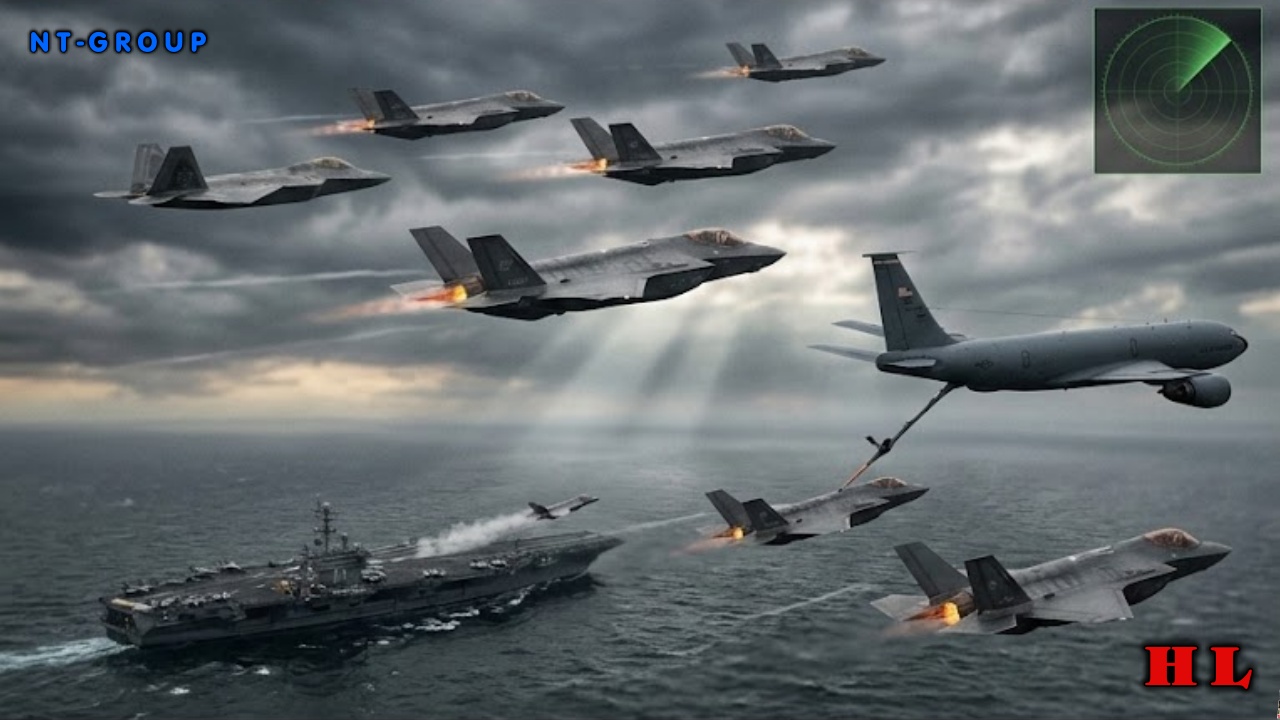
Washington is doubling down on its “pressure and dialogue” strategy with Tehran, quietly deploying additional fighter jets and surveillance aircraft to the Middle East even as Iranian negotiators strike a more flexible tone in stalled nuclear talks.
Pentagon officials confirm that extra squadrons of F‑15s and F‑16s, along with refueling tankers and ISR drones, have arrived at key bases in the CENTCOM region. Publicly, the move is framed as a response to recent drone and missile threats against U.S. forces and shipping lanes. Privately, senior officers admit the posture is designed to give the White House rapid military options if diplomacy breaks down.
Yet in hotel conference rooms thousands of miles away, the language is shifting. Iranian envoys are now hinting at “creative formulas” on uranium enrichment caps, advanced centrifuge use and expanded access for international inspectors — red lines they previously treated as untouchable. Western diplomats describe the latest round as the “most substantive” in months, though deep gaps remain over sanctions relief and regional missile activity.
Analysts say the moment is razor‑thin: Tehran appears to be testing how far it can bend without looking weak at home, while Washington tries to prove it can talk without taking military tools off the table. Gulf allies and Israel, long skeptical of any deal, are watching the new jet deployments closely as a signal of how far the U.S. is truly prepared to go.
For now, the picture is one of twin tracks moving in opposite directions — warplanes filling desert skies, and negotiators trading draft texts late into the night — with the future of the nuclear file balanced uneasily between them.