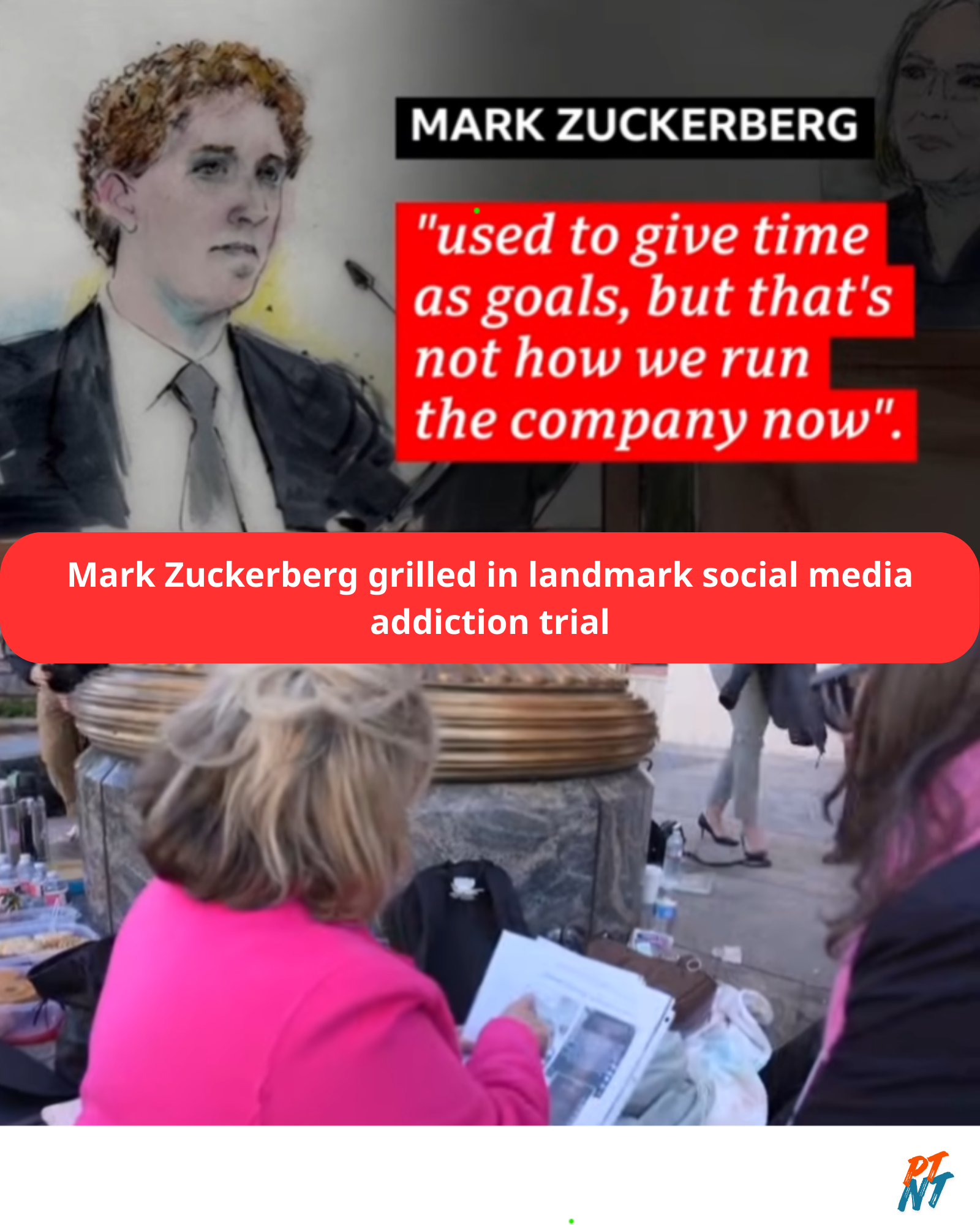
Mark Zuckerberg, CEO of Meta Platforms, is under intense questioning in a landmark legal case centered on allegations that social media platforms contribute to user addiction and mental health issues.

The trial is being closely watched as a pivotal moment for the tech industry. Lawmakers and legal experts are examining whether companies like Meta have knowingly designed their platforms to maximize user engagement at the expense of user well-being. Central to the case is the role of algorithms and product design features that encourage prolonged use.
During testimony, Zuckerberg stated that Meta has shifted away from prioritizing time spent on its platforms as a key performance metric. This marks a notable change from earlier business models that heavily emphasized user engagement as a driver of growth and advertising revenue.
Critics argue that despite such claims, the core structure of social media platforms still incentivizes addictive behavior, particularly among teenagers. Internal documents and research cited during the trial reportedly suggest that prolonged usage may have negative psychological effects, including anxiety and reduced attention spans.
Meta, however, maintains that it has taken steps to improve user safety, including introducing tools for screen time management, content moderation, and parental controls. The company argues that its platforms also offer significant social and economic benefits by connecting people globally.

The outcome of this case could influence future regulations governing the tech sector, especially regarding transparency, algorithm accountability, and user protection. It may also set a precedent for how responsibility is assigned when digital products impact mental health.