How China is becoming a green superpower
- NgocTram
- February 26, 2026
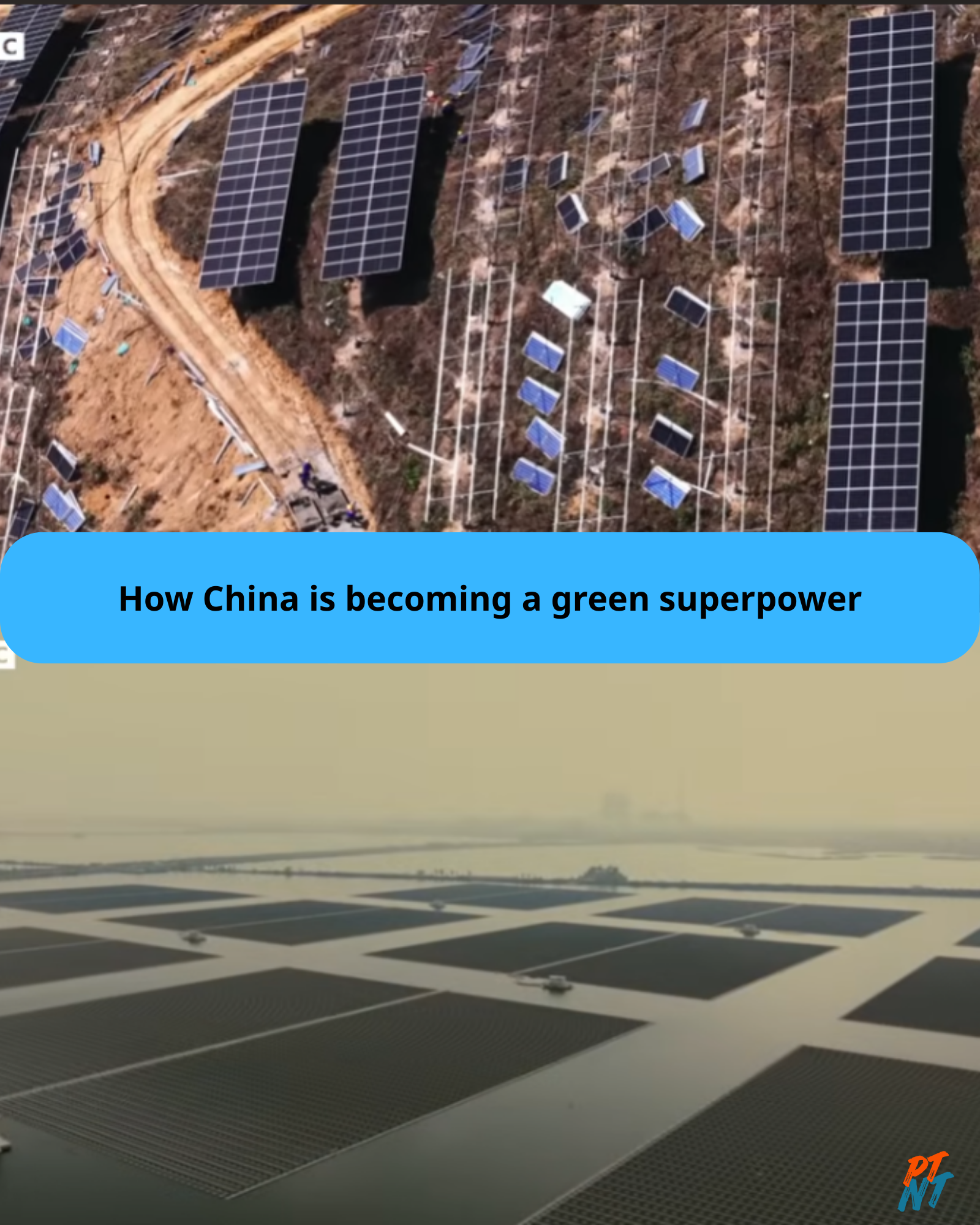
China is increasingly positioning itself as a global leader in renewable energy, with large-scale investments in solar and other clean technologies transforming its energy landscape.
Once heavily reliant on coal, China has made significant strides in diversifying its energy mix. Expansive solar farms, some spanning vast desert regions and even floating on water, reflect the country’s commitment to scaling up renewable power generation. These projects are part of a broader strategy to reduce carbon emissions and address environmental concerns.
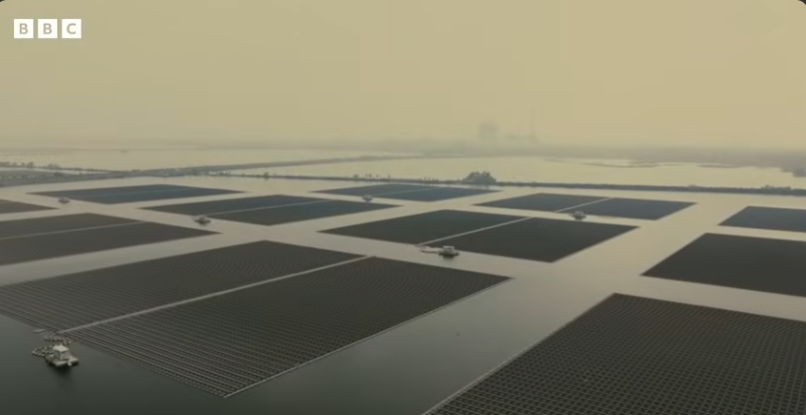
China is now the world’s largest producer of solar panels and a major player in wind energy and electric vehicle manufacturing. Government policies and subsidies have supported rapid growth in these sectors, enabling the country to dominate global supply chains for green technologies.
However, the transition is not without challenges. Despite rapid expansion in renewables, China still relies significantly on coal to meet its energy needs, particularly during periods of high demand. Balancing economic growth with environmental sustainability remains a key issue.
Internationally, China’s role in the green energy transition is seen as both an opportunity and a point of competition. Its ability to produce affordable renewable technology has helped accelerate adoption worldwide, but it has also raised concerns about market dominance and dependency.
Experts note that China’s continued investment in clean energy infrastructure will play a crucial role in global efforts to combat climate change. As countries work toward reducing emissions, China’s scale and speed of deployment position it as a central figure in shaping the future of energy.
The country’s transformation underscores a broader shift in global priorities, where sustainability and innovation are becoming key drivers of economic and geopolitical influence.