🐾 Sentencing in Shadow the Kitten Case Prompts Discussion About Animal Welfare Laws

The sentencing of Dundee resident Kevin Shewan has renewed public discussion in Scotland about how severe animal cruelty cases are handled within the justice system.
Shewan admitted to causing repeated injuries to a 10-month-old kitten named Shadow over several months. The case came to light after his sister contacted the Scottish SPCA after becoming concerned about the animal’s condition.
Veterinary examinations later revealed multiple serious injuries, including the loss of an eye, a fractured pelvis, a broken leg and additional trauma that experts determined was consistent with non-accidental harm.
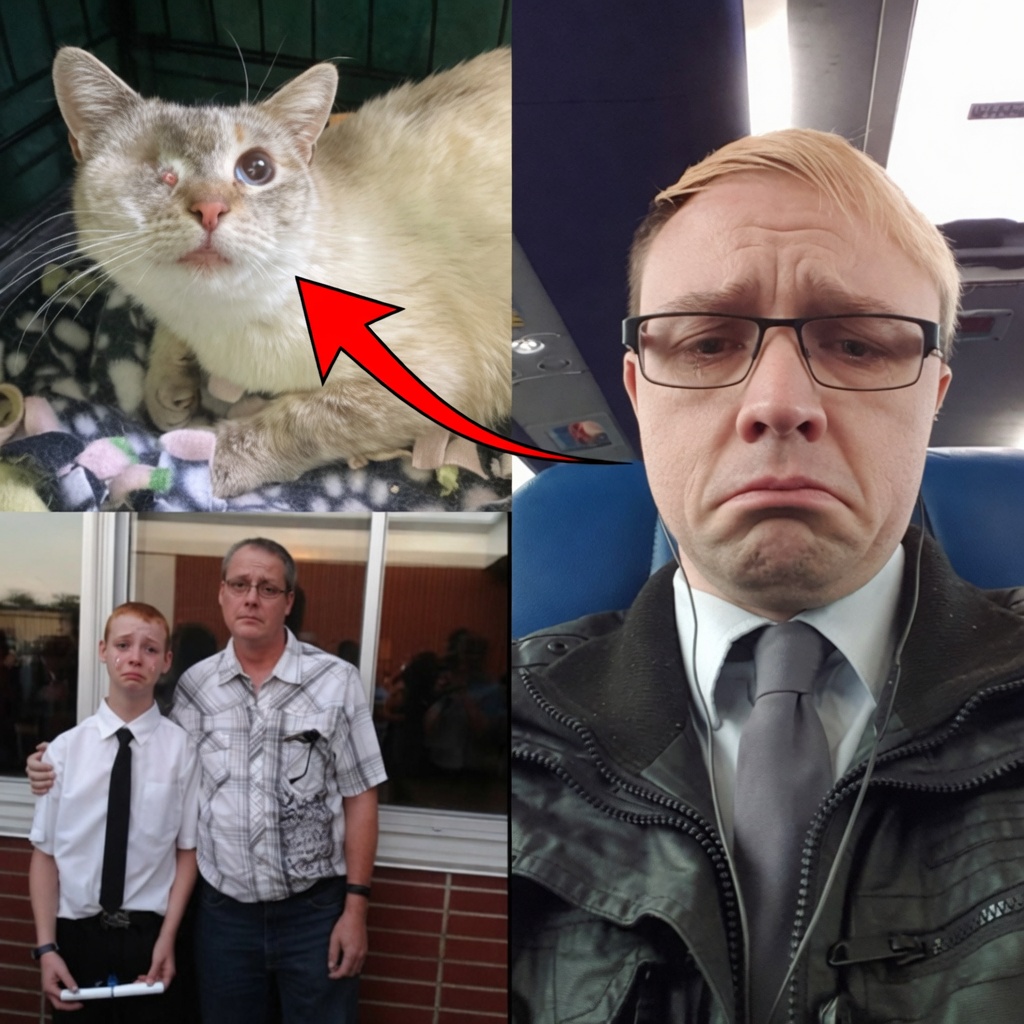
Despite extensive veterinary treatment and rehabilitation efforts, Shadow’s condition continued to deteriorate. Veterinarians ultimately decided that euthanasia was the most humane option to prevent further suffering.
Investigation Began After Family Member Raised Concerns
According to information presented in court, concerns were first raised by Shewan’s sister after she noticed repeated injuries and signs that the kitten was not receiving appropriate care.
The Scottish SPCA launched an investigation, removed Shadow from the property and worked alongside veterinary specialists to document the extent of the injuries.
Experts concluded that the injuries had occurred over an extended period and were unlikely to have been accidental.
Court Outcome
At Dundee Sheriff Court, Shewan admitted the offences.
The court imposed:
Community-based penalties
A period of supervision
Unpaid work requirements
A 10-year ban on owning or keeping animals
The decision not to impose a prison sentence has prompted public debate about whether existing sentencing practices adequately reflect the seriousness of severe animal cruelty cases.
Renewed Calls for Legal Reform
Animal welfare organisations have used the case to highlight ongoing discussions about strengthening penalties for serious offences against animals.
Campaigners have suggested measures such as:
Tougher sentencing guidelines for repeated abuse
Greater consistency in penalties across cases
Enhanced enforcement of animal welfare laws
Additional resources for animal protection agencies
Supporters of reform argue that severe cases involving prolonged suffering should be treated with particular seriousness because animals rely entirely on humans for their care and protection.
Remembering Shadow
Many people have shared messages of support online and praised the actions of Shewan’s sister for reporting her concerns when she did.
The case has become a reminder of the importance of recognising warning signs and reporting suspected animal cruelty as early as possible.
Animal welfare organisations continue to encourage members of the public to contact authorities immediately if they believe an animal may be at risk.
As discussions continue, many hope Shadow’s case will contribute to stronger protections and help prevent similar tragedies in the future.