Paths of Democracy – Part 3: Accountability as an Effective Mechanism for Power Control

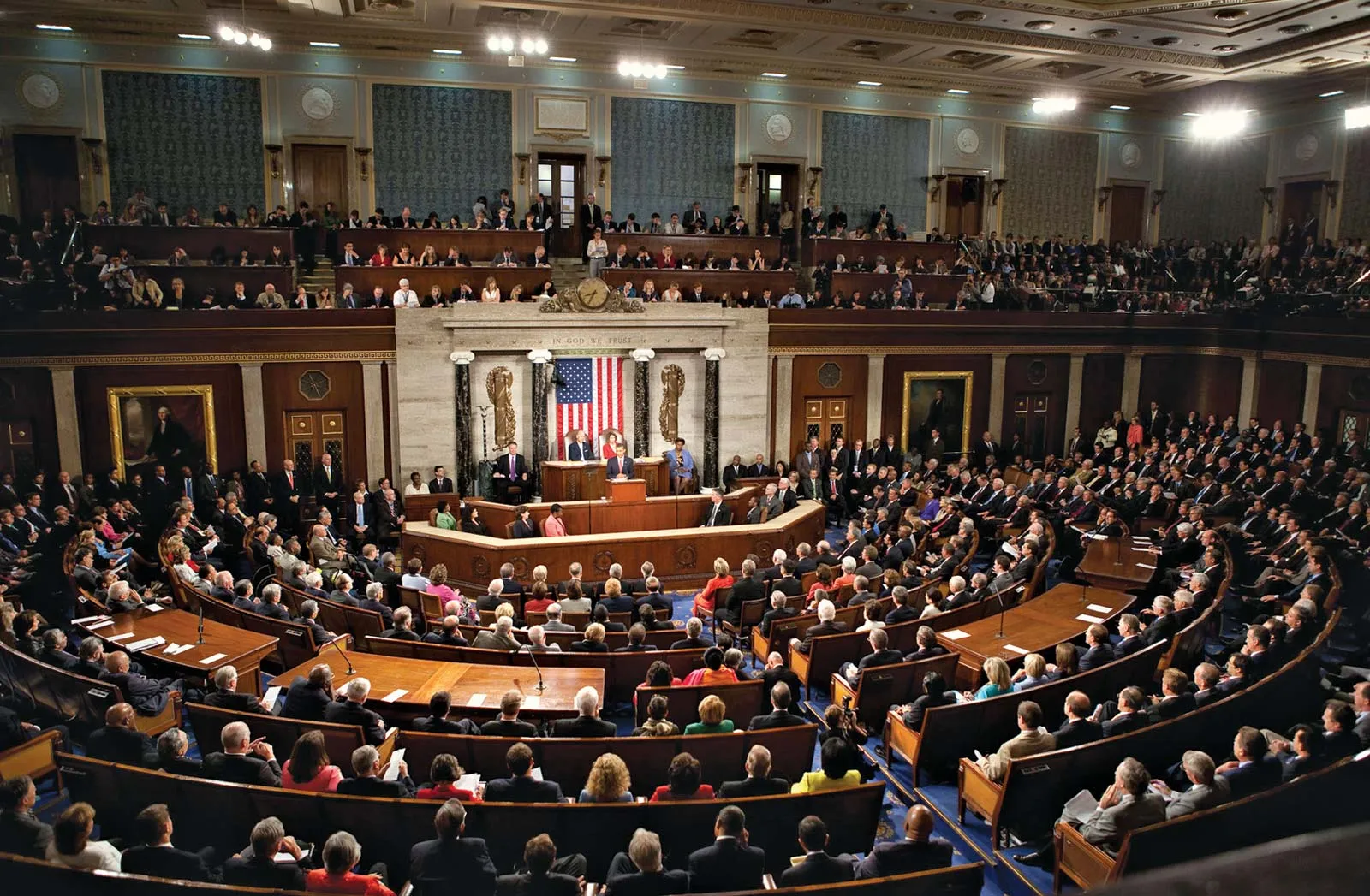
Accountability is widely regarded as one of the cornerstones of a functioning democracy. It refers to the obligation of public officials and institutions to explain, justify, and take responsibility for their actions. More importantly, it ensures that those in power are subject to oversight and can be sanctioned when they misuse authority.
In democratic systems, accountability operates through multiple channels. Elections are the most visible mechanism, allowing citizens to reward or punish leaders based on performance. However, accountability extends far beyond the ballot box. Independent courts, legislative oversight, free media, and civil society organizations all play crucial roles in monitoring power and exposing wrongdoing.
One key aspect of accountability is transparency. When government decisions, budgets, and policies are made accessible to the public, it becomes easier to detect corruption and inefficiency. Transparency empowers citizens with information, enabling them to participate more actively in governance and demand better performance from their leaders.

Another important dimension is institutional checks and balances. By distributing power across different branches of government, democracies reduce the risk of concentration of authority. Each branch has the capacity to limit the others, creating a system where no single actor can dominate unchecked.
However, accountability mechanisms are only effective when they are properly enforced. Weak institutions, political interference, or lack of public awareness can undermine these systems. Therefore, strengthening legal frameworks, protecting press freedom, and encouraging civic engagement are essential steps toward ensuring real accountability.
In conclusion, accountability is not just a principle but a practical tool for controlling power. When implemented effectively, it fosters trust, enhances governance, and safeguards democratic values.