120+ U.S. Warplanes SWARM the Middle East — Signs of Imminent Strike.lh
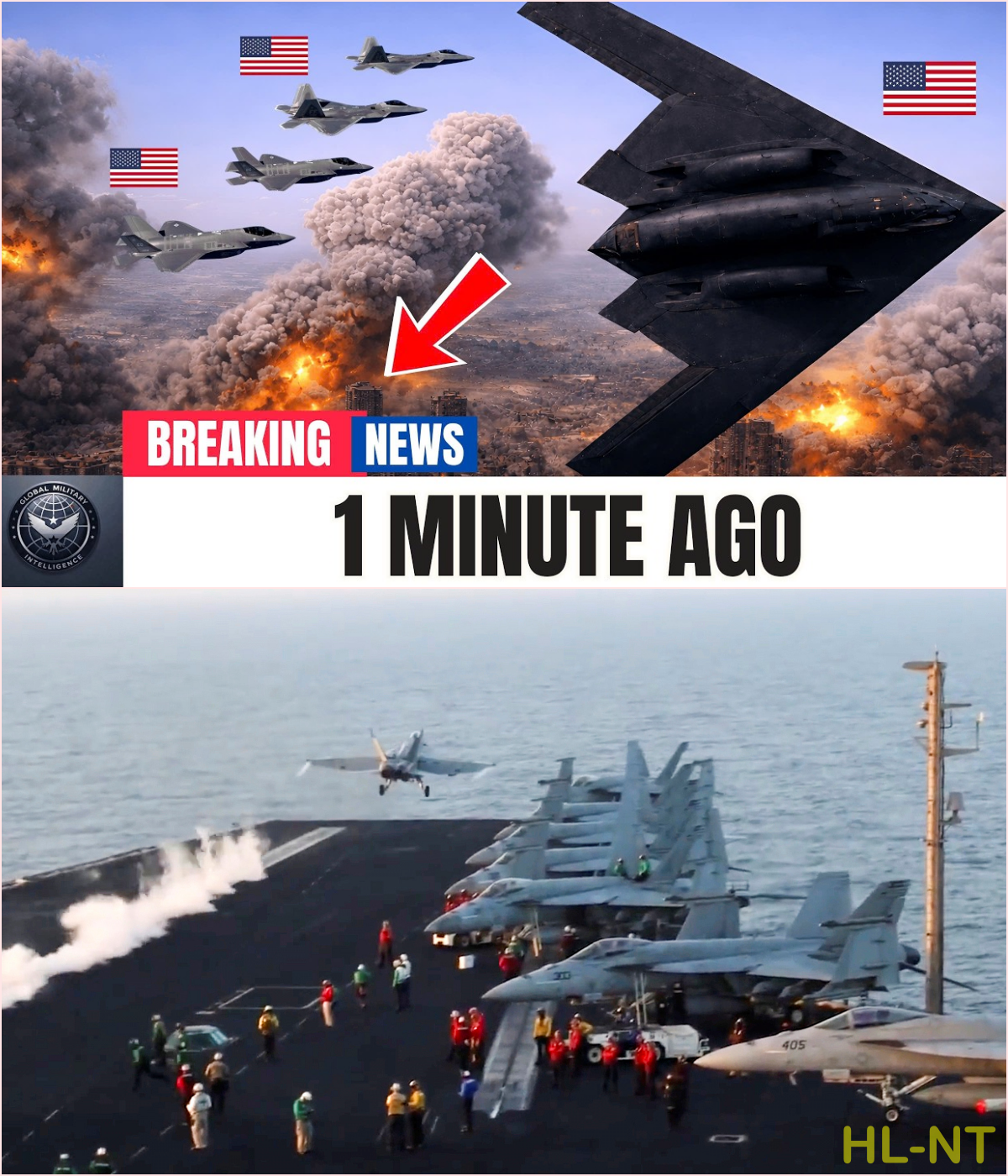
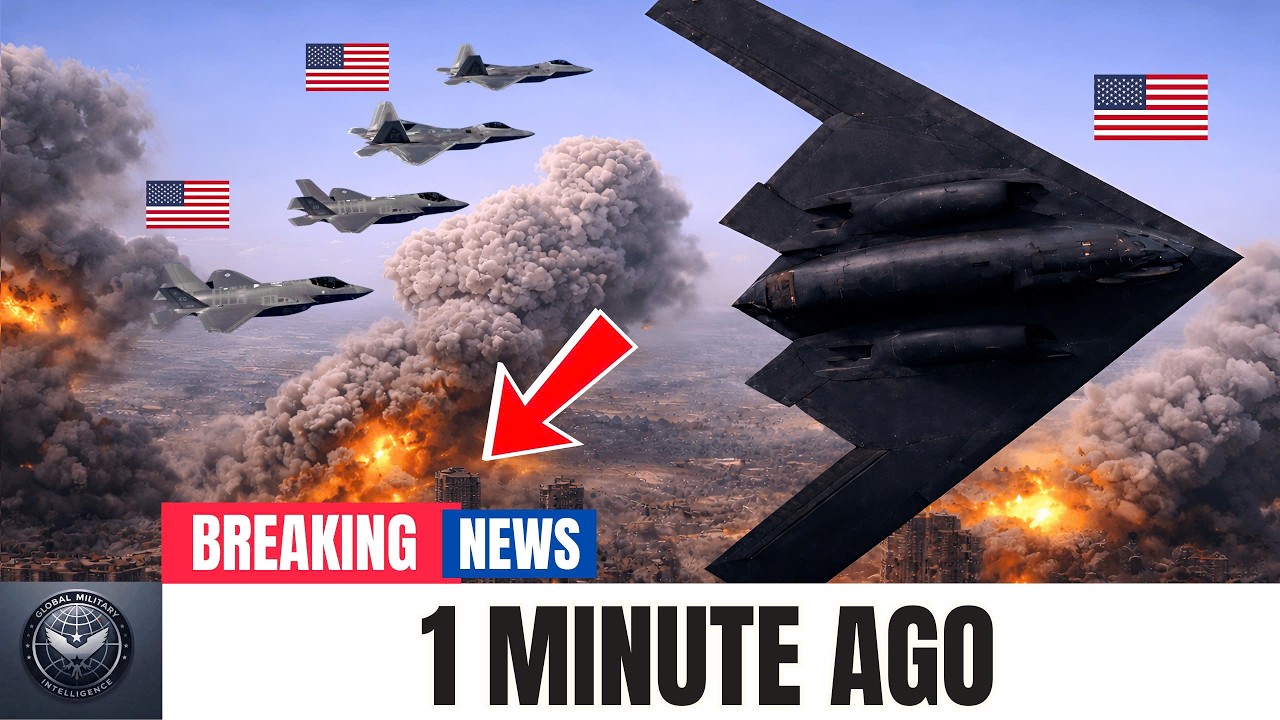
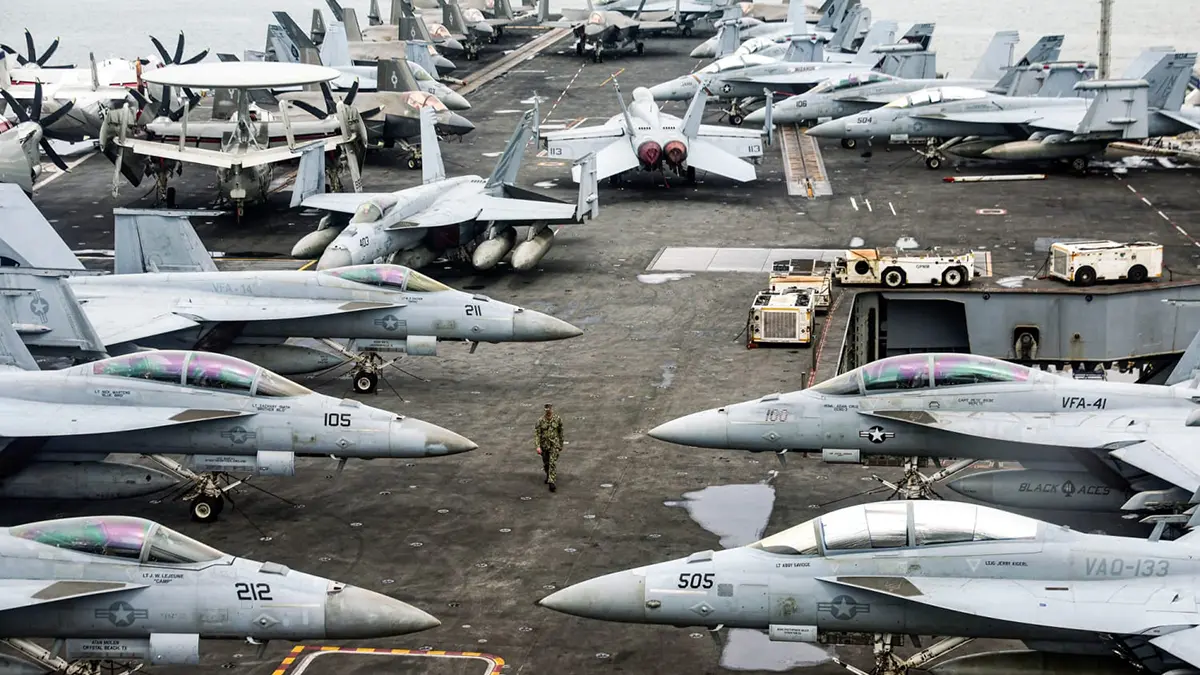
The scale of the reported deployment is significant. Advanced fighters, stealth aircraft, tankers, command-and-control planes, and naval assets form the backbone of sustained air operations. When that much capability moves into a theater at once, it sends a message.
But messages in geopolitics are rarely one-dimensional.
Large deployments can serve several purposes: deterrence, reassurance of allies, contingency planning, or preparation for strikes.
The presence of refueling tankers and airborne early-warning aircraft suggests planners are accounting for extended operations rather than a single limited action. Carrier strike groups positioned at opposite ends of the region expand flexibility and rapid response options.
That level of redundancy typically reflects caution, not casual aggression.
Any serious military planner understands that Iran is not Iraq in 2003 or Libya in 2011. Over decades of sanctions and isolation, Tehran has invested heavily in layered air defenses, ballistic missiles, drones, and dispersed launch systems designed specifically to complicate external attack. Even if U.S. airpower achieved rapid air superiority, the retaliation architecture would remain a central concern.
Iran’s conventional fighter fleet—largely composed of aging platforms—would face severe disadvantages against fifth-generation aircraft. However, Iran’s deterrence model does not rely primarily on dogfights in contested skies. It centers on survivability, dispersal, and cost imposition.
Ballistic missiles, mobile launchers, and drone swarms are built to create uncertainty and saturation. Even limited exchanges could trigger missile fire toward regional bases, allied infrastructure, or maritime routes. That reality explains why defensive systems—such as Patriot batteries—are reportedly being reinforced in the region. Defensive deployments often signal expectation of retaliation rather than assumption of a one-sided operation.
Energy markets would be another immediate variable.
The Strait of Hormuz remains one of the world’s most critical maritime chokepoints, carrying roughly one-fifth of global oil supply. Any disruption—mining, missile threats, or naval skirmishes—could spike prices rapidly. Major energy importers across Asia and Europe would feel the shock within days. Markets tend to react before clarity arrives.
Beyond the Middle East, global powers would be watching carefully.
China imports significant energy from the Gulf region and has strong economic ties across the Middle East. Russia, already engaged in Ukraine, would calculate strategic advantage in any prolonged U.S. distraction elsewhere. Neither country is likely to seek direct military confrontation with U.S. forces in this scenario, but intelligence sharing, diplomatic maneuvering, and economic positioning would factor into the broader strategic landscape.
Israel and Gulf states would also face immediate exposure. Hezbollah’s missile capabilities in Lebanon, militia networks in Iraq and Syria, and the vulnerability of major oil infrastructure sites create multi-front risk. Even limited strikes could cascade into a region-wide exchange if proxies become active.
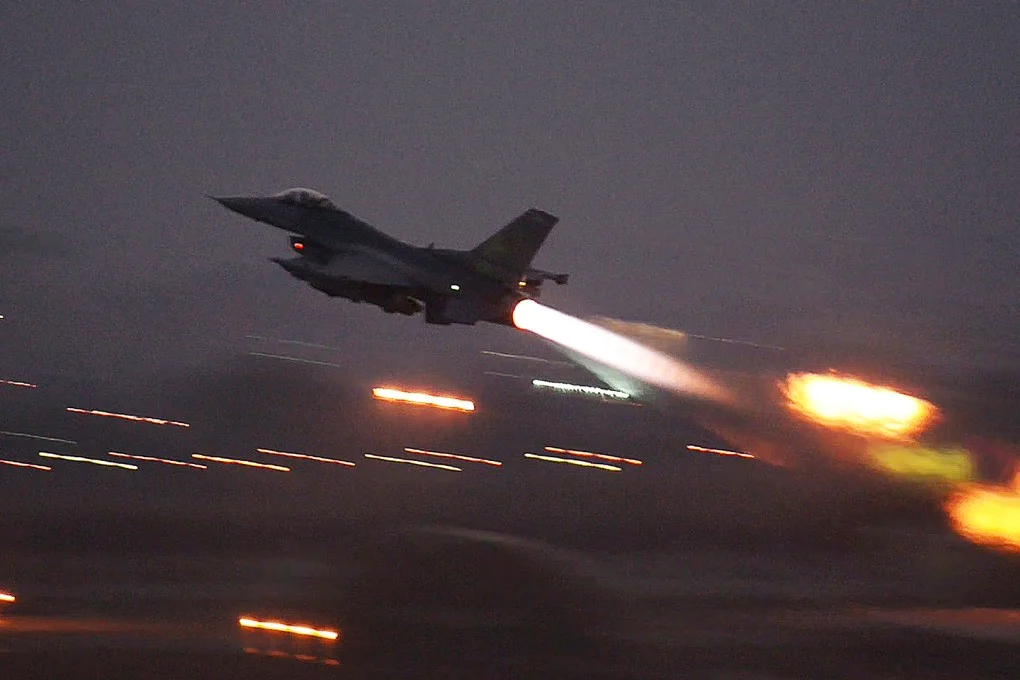
The most important analytical distinction is this: winning the opening phase of an air campaign is not the same as winning the conflict.
History shows that overwhelming air superiority can degrade infrastructure quickly. But conflicts often expand beyond initial objectives. Iran’s strategy—publicly articulated for years—focuses on endurance and cost imposition rather than conventional victory. The calculus is not “Can we defeat U.S. airpower?” but “Can we survive long enough to make continuation politically and economically painful?”
That dynamic shifts the question from military capability to political sustainability.
Domestic support, alliance cohesion, oil prices, and economic impact would all shape the duration and intensity of any confrontation. The first 72 hours might be defined by aircraft and missiles. The months after would be shaped by resilience and political will.
It is also critical to note that military buildups often function as deterrent signals precisely to avoid conflict. Moving forces into position can strengthen diplomatic leverage and reduce miscalculation. In many cases, visible readiness discourages escalation rather than guarantees it.
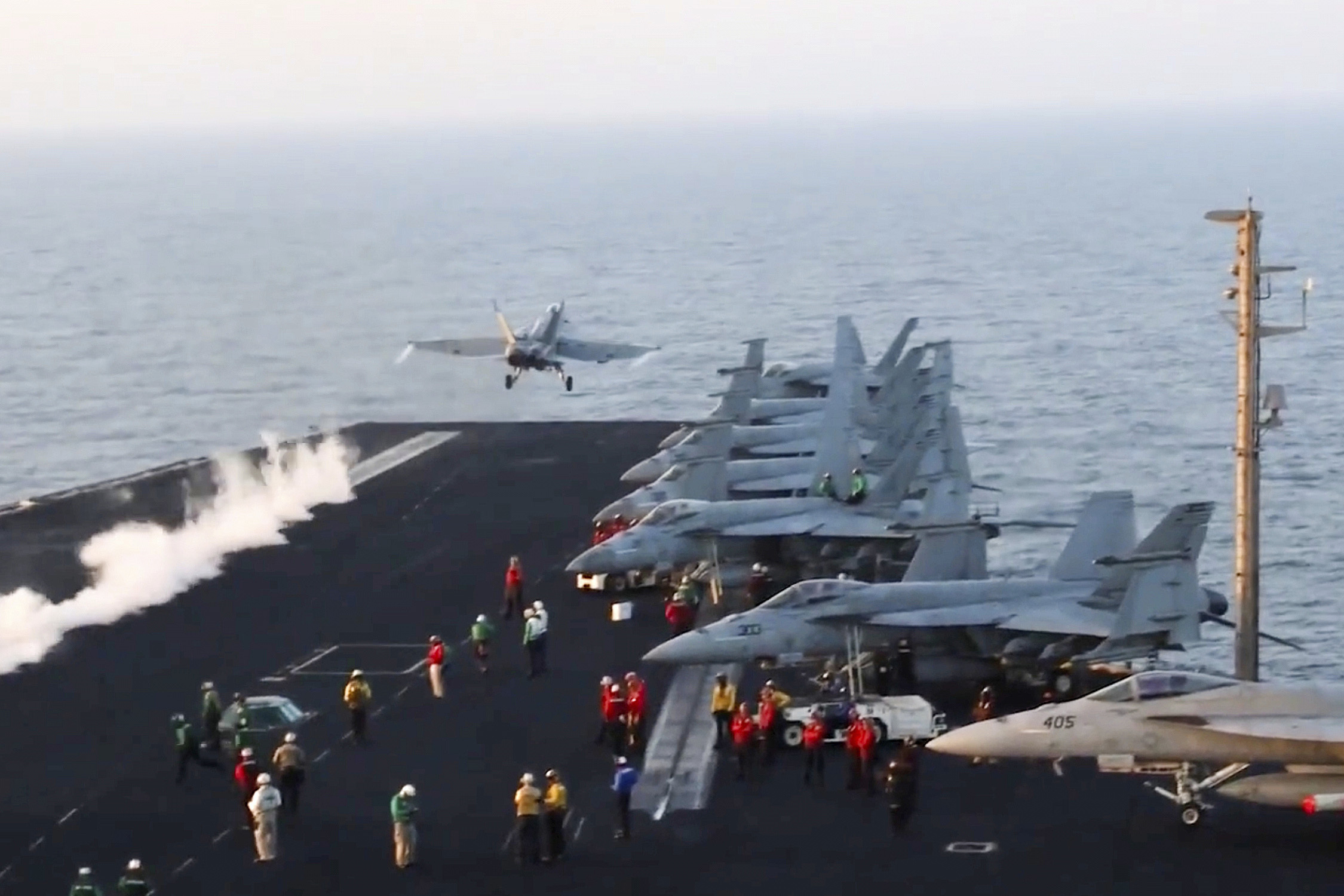
At present, there is no public confirmation of active hostilities tied to the described deployment. Strategic posturing, contingency preparation, and deterrence signaling remain plausible explanations.
The aircraft are real. The carriers are real. The readiness levels are real.
But readiness does not equal inevitability.
If strikes were to occur, the initial phase would likely unfold rapidly.
What follows, however, would be far more complex and far less predictable.
For now, the buildup underscores a familiar reality in geopolitics: power is not only about capability. It is about what happens after it is used—and whether anyone truly controls the consequences.