ICE and FBI Enforcement in Minnesota Draw Fire as Protests, Lawsuits, and Investigations Unfold
ICE and FBI Enforcement in Minnesota Draw Fire as Protests, Lawsuits, and Investigations Unfold
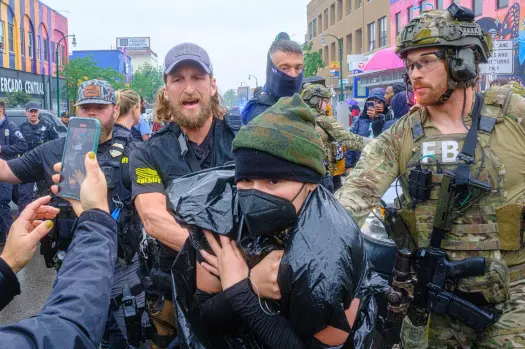
Minneapolis, Minnesota — A series of federal law enforcement operations led by ICE (Immigration and Customs Enforcement) and the FBI have sparked widespread backlash across Minnesota, drawing protests, lawsuits, and a full-scale investigation into the conduct of officers involved in recent high-profile raids. Critics argue that heavy-handed tactics, combined with the deaths and injuries that have resulted from these actions, have intensified tensions in the state, particularly within immigrant and marginalized communities.
The Enforcement Operations: Aggressive Raids and Arrests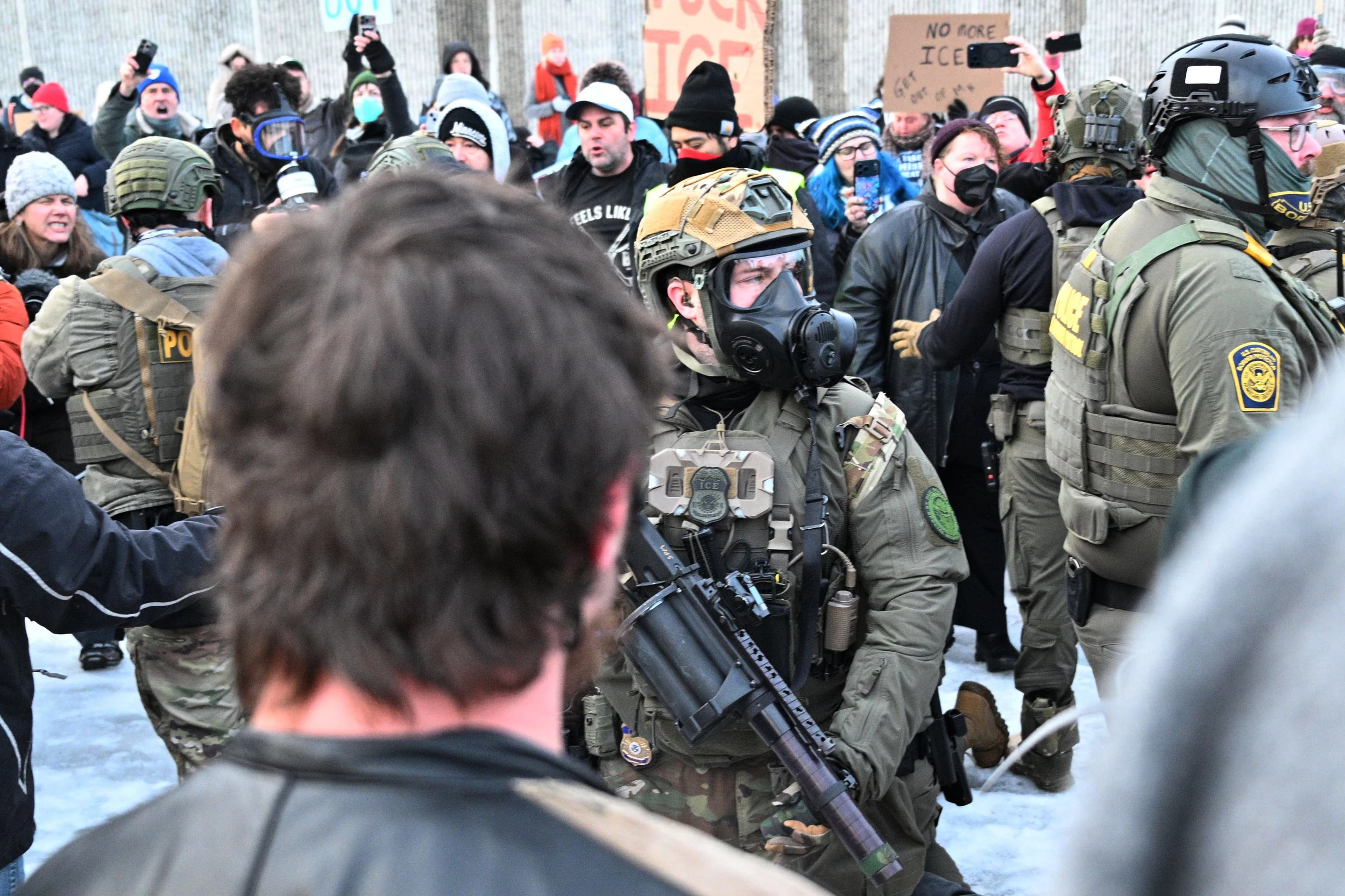
The escalation began with a coordinated series of raids by ICE and the FBI targeting individuals accused of involvement in organized crime, drug trafficking, and immigration violations. These operations were reportedly designed to dismantle dangerous criminal networks and apprehend individuals with outstanding warrants, including those facing deportation orders.
However, the scale and nature of the operations quickly drew national attention after reports surfaced of violent confrontations between federal agents and local residents. In some areas, ICE agents encountered resistance, leading to clashes and, in some cases, deadly altercations.
“We’re here to enforce the law, to protect communities,” said an ICE spokesperson, defending the operations. “We’re targeting criminal actors, not everyday citizens.”
Protests and Community Outrage
In the wake of the raids, outrage erupted across Minnesota, with thousands of protesters taking to the streets of Minneapolis and surrounding areas. Demonstrators, many of them from immigrant communities, argued that the raids were disproportionate and targeted vulnerable populations.
“We are not criminals,” said Antonio Gomez, an activist from the Minnesota Immigrant Rights Alliance. “These raids terrorize families, disrupt our communities, and fuel fear. It’s not just about immigration – it’s about basic human rights.”
The protests became more intense as the violence escalated. Groups of protesters blocked roads, staged sit-ins, and held vigils for those who had been injured or killed during the enforcement actions. The confrontations between federal agents and demonstrators resulted in several injuries, with both law enforcement and protesters sustaining damage.
Legal Fallout: Lawsuits and Investigations
The enforcement operations have led to multiple lawsuits filed against ICE, the FBI, and local law enforcement agencies. Civil rights groups have accused federal agents of violating constitutional rights, including unlawful searches, excessive use of force, and racial profiling. Lawyers representing plaintiffs claim that many of the individuals apprehended were not given due process or adequate legal representation.
“It is clear that these operations disproportionately target communities of color, and we will hold federal agencies accountable for their actions,” said Aisha Muhammad, a civil rights attorney representing several affected families.
In response, both state and federal authorities have launched internal investigations to assess the conduct of law enforcement agencies involved. The Department of Justice (DOJ) has promised to review the events leading up to the deaths and injuries, including the use of deadly force and whether federal officers overstepped their authority. The investigation has drawn additional scrutiny as activists and legal experts demand that the U.S. Attorney General take a closer look at these operations’ broader impact on civil liberties.
“We are deeply concerned by the reports emerging from Minnesota,” said Lena Phillips, spokesperson for the ACLU. “The violence seen in these raids, as well as the terror imposed on local communities, raises serious questions about federal overreach and the disproportionate tactics used against immigrant populations.”
The Broader Context: Immigration Enforcement and Public Trust
The public response to these federal operations is not occurring in a vacuum. Minnesota has been a key battleground in the larger national conversation about immigration enforcement, law enforcement tactics, and public trust in government agencies. Minneapolis, which has one of the largest Somali and Latino immigrant populations in the country, has long been a focal point for debates on immigration reform and police relations.
The recent uptick in federal enforcement operations, combined with the community’s complex relationship with law enforcement following the murder of George Floyd in 2020, has only intensified these debates.
“We’ve been through this before,” said local organizer Raúl Martinez. “The raids, the profiling, the targeting—it’s all a continuation of the fear and division that has plagued this city for years. We need change, not more militarized police tactics.”
Calls for Reform and Accountability
As the situation continues to unfold, calls for reform are growing louder. Advocates are demanding an overhaul of federal enforcement practices, focusing on de-escalation strategies and community-based alternatives to incarceration. Many also argue that local authorities should reassess their cooperation with federal agencies like ICE and the FBI, especially in light of the growing mistrust between residents and law enforcement.
“We need better solutions,” said Minneapolis Mayor Jacob Frey. “The tactics we are seeing are only exacerbating tensions. We must work together to build trust and ensure that all people, regardless of their immigration status, are treated fairly and with dignity.”
Looking Forward: A Divided State
As the dust settles from the violence, it’s clear that the state of Minnesota is at a crossroads. The tensions created by the ICE and FBI enforcement actions have set the stage for what could be a long and difficult battle for justice and reform. Whether the state can find common ground and rebuild trust between law enforcement and its diverse communities remains uncertain.
But for many residents of Minneapolis and beyond, the fight is far from over. “We will continue to fight for our rights,” said Maria Hernandez, an immigrant mother whose family was directly affected by the raids. “This is our home, and we’re not going anywhere. We’ll keep pushing for change.”