Arequipa Overwhelmed: Historic Floods Turn Streets Into Rivers
Arequipa Overwhelmed: Historic Floods Turn Streets Into Rivers
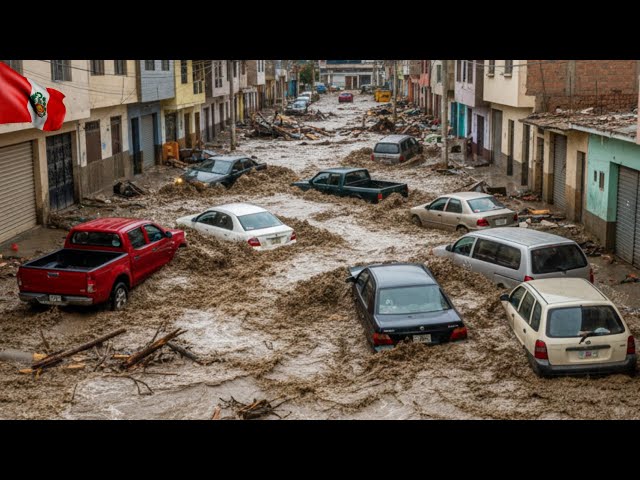
Arequipa, Peru — A massive flood has swept through Arequipa, Peru’s second-largest city, leaving behind a trail of destruction as streets were transformed into raging rivers. In an unprecedented natural disaster, the historic city, known for its colonial architecture and proximity to the mighty Andes mountains, has witnessed rainfall and flooding at levels never seen before.
A City Underwater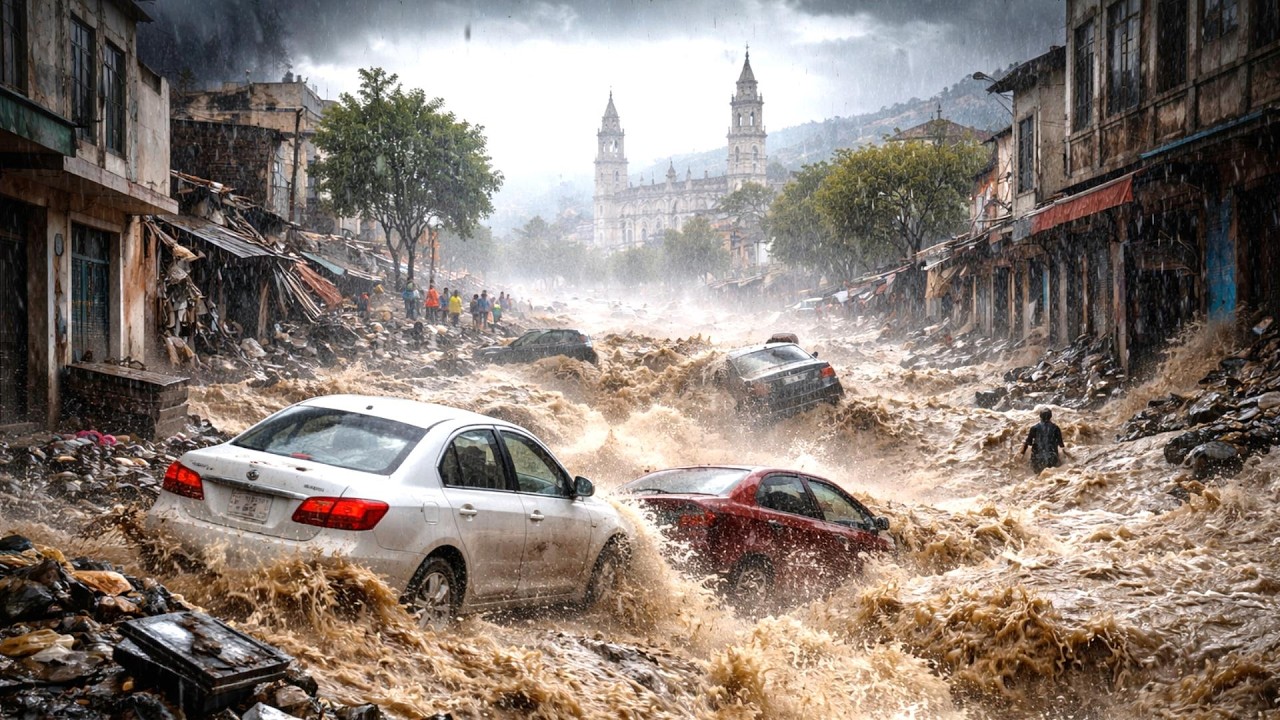
The disaster unfolded in the early hours of Thursday morning, when an unusually heavy downpour hit the region, triggering flash floods across the city. Rivers that once flowed peacefully have now swollen to dangerous levels, submerging entire neighborhoods in minutes. Roads are impassable, cars are stranded, and residents are scrambling to find shelter and safety.
The historic center of Arequipa, a UNESCO World Heritage site, has been severely impacted. Iconic buildings, some dating back to the Spanish colonial era, are being threatened by the rising waters. Authorities are urgently working to prevent further damage to these irreplaceable structures.
A Battle Against Nature
Firefighters and emergency response teams have been working around the clock to assist affected residents. As rivers overflow their banks, efforts to reinforce levees and barricades have been intensified, but the speed and ferocity of the floods have made it difficult to contain the damage. Local officials have issued urgent evacuation orders for low-lying areas and other flood-prone regions.
“We’ve never seen something like this before,” said Maria Gomez, a local resident. “The water came so quickly, and now it’s everywhere. I’ve never felt so scared in my life.”
As the crisis deepens, the local hospital system is facing significant strain. With flooded streets making transportation impossible, ambulances and rescue teams are struggling to reach those in need.
Impact on Infrastructure and Daily Life
The flooding has caused widespread damage to infrastructure across Arequipa. Many of the city’s primary transportation routes are submerged, leaving residents and businesses stranded. Public transport is halted, with buses and taxis unable to navigate the flooded streets. Communications have been disrupted in some parts of the city, and many are without power as electrical systems struggle to cope with the flooding.
One of the most alarming consequences has been the destruction of crops in the agricultural heartland surrounding Arequipa. Peru is one of the largest exporters of agricultural goods in Latin America, and these recent floods threaten to impact the country’s economy significantly.
“These floods are devastating,” said Luis Valenzuela, an agricultural economist. “The crops we’ve lost will affect supply chains not only in Peru but in neighboring countries as well. It could take months, if not years, for recovery.”
Emergency Response and International Aid
The government has declared a state of emergency and is allocating resources to assist with the cleanup and recovery efforts. Military personnel have been deployed to help with evacuations and restore order. However, local authorities warn that the situation could worsen if additional rains occur over the next few days.
International aid is already pouring in, with neighboring countries and global organizations sending supplies and rescue teams. Several aid agencies have launched fundraising campaigns to support the rebuilding efforts.
“We stand in solidarity with the people of Arequipa,” said Eliana Garcia, a representative from the International Red Cross. “Our teams are working closely with local authorities to provide food, shelter, and medical care to those who need it most.”
What’s Next?
Arequipa’s citizens are resilient, but the road to recovery will be long. As the floodwaters begin to recede, the full extent of the damage will become clearer. In the meantime, the people of Arequipa remain focused on rebuilding their homes, preserving their heritage, and ensuring that such a disaster never strikes again.
The flood may be a reminder of the increasing vulnerability of cities like Arequipa to extreme weather events. Experts have warned that climate change could lead to more frequent and severe floods in the coming years. For now, the city faces the daunting task of recovery, with hopes that solidarity and swift action will help restore Arequipa to its former glory.