⚖️💔 “SHE SHOULD STILL BE HERE” — THE DEATH OF LATOYA JAMES DURING GEORGIA NO-KNOCK RAID CONTINUES TO SPARK NATIONAL DEBATE
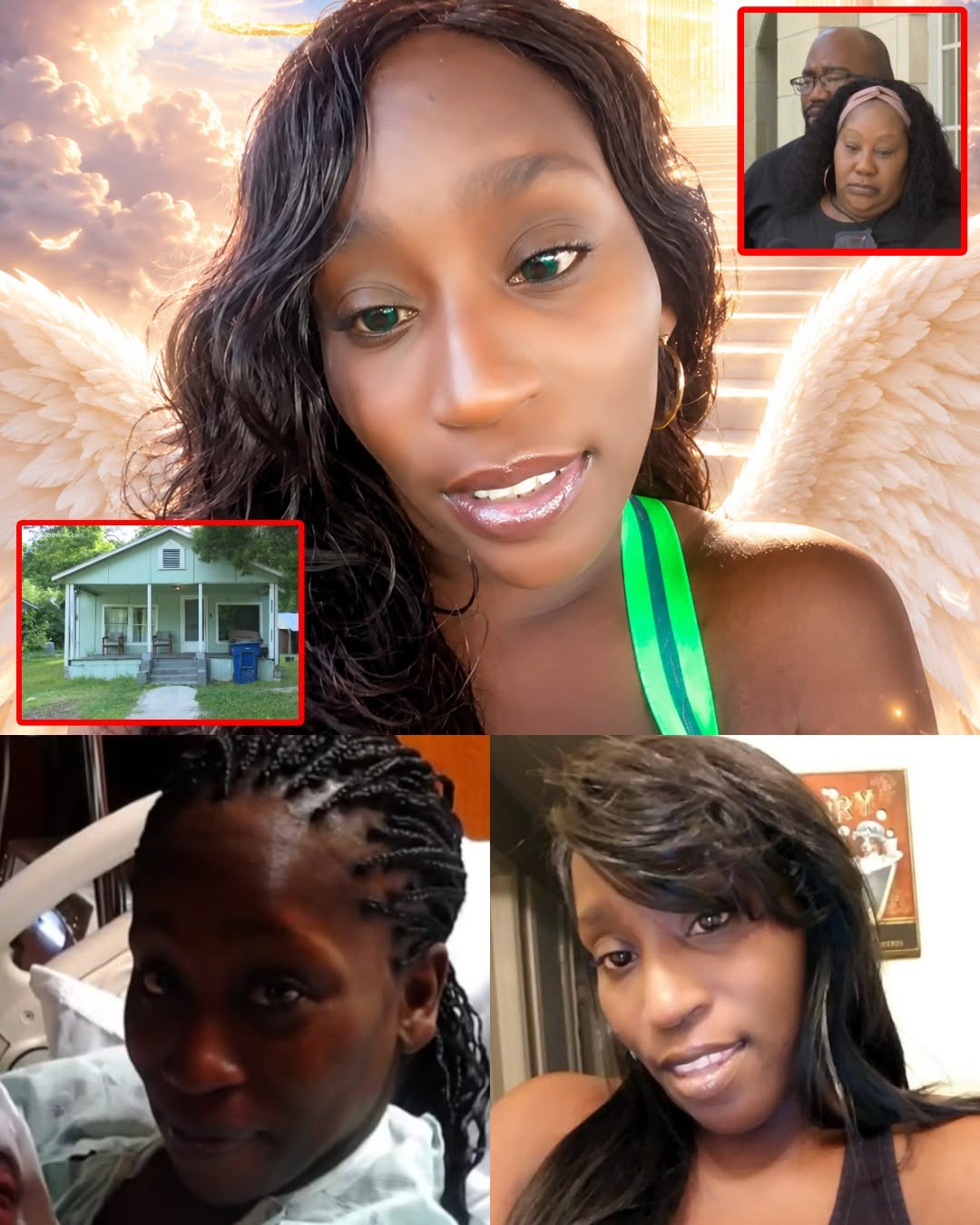
⚖️💔 “SHE SHOULD STILL BE HERE” — THE DEATH OF LATOYA JAMES DURING GEORGIA NO-KNOCK RAID CONTINUES TO SPARK NATIONAL DEBATE
More than four years after 37-year-old Latoya James was killed during a no-knock police raid in Camden County, Georgia, her family and supporters continue demanding accountability and reforms to law enforcement tactics they believe placed innocent lives at risk.
The tragic incident occurred in the early morning hours of May 4, 2021, when deputies executed a no-knock warrant at a home belonging to Latoya’s cousin, Varshan Brown. According to reports, officers forced entry into the residence before dawn, creating an atmosphere of immediate panic and confusion inside the home.
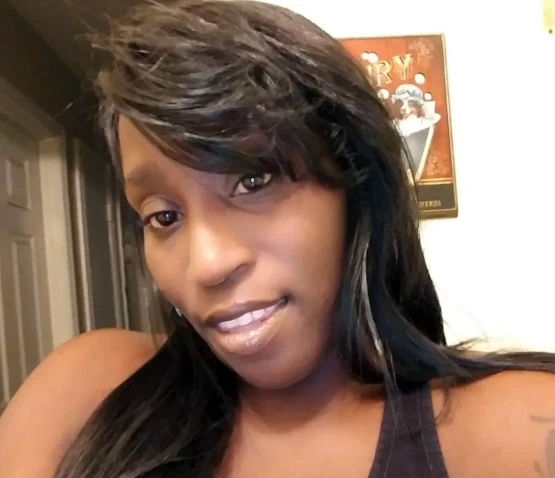 Family members say Latoya was visiting the residence when the raid began. Within moments of deputies entering, gunfire erupted. Authorities stated that Brown fired at officers, reportedly believing intruders were breaking into the home. Deputies returned fire during the chaotic confrontation.
Latoya James was struck and killed during the exchange. Loved ones say she was not involved in criminal activity and had simply been in the wrong place at the wrong time.
Brown was also injured during the incident and later faced felony murder charges connected to Latoya’s death. However, in a closely watched case, he was ultimately acquitted. The verdict intensified public debate surrounding no-knock raids and whether residents can reasonably distinguish law enforcement from armed intruders during sudden forced entries.
 Civil rights advocates and community members argue that the tragedy highlights the dangers of aggressive police tactics, especially operations conducted in darkness and confusion. Across the country, similar cases have fueled growing calls for restrictions or outright bans on no-knock warrants.
Latoya’s family continues to mourn her loss while pursuing civil action and broader reforms aimed at preventing future tragedies. Vigils held in her memory have drawn supporters demanding increased transparency, accountability, and safer approaches to law enforcement operations.
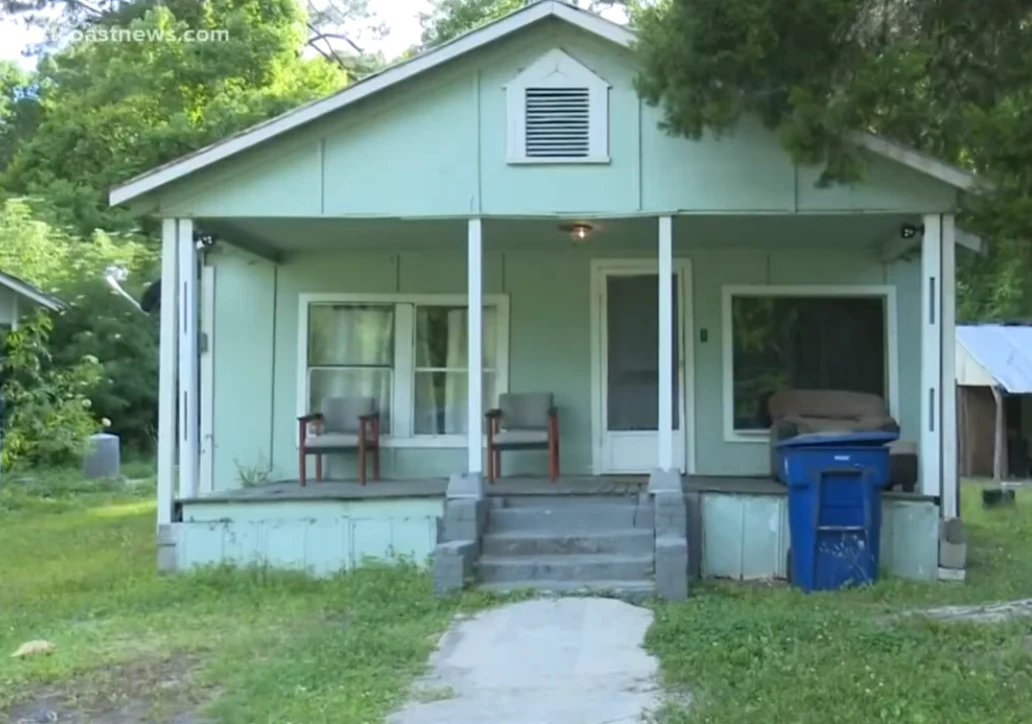 For many in Camden County, Latoya’s death remains more than just a legal case — it is the story of a woman whose life ended suddenly during a situation that supporters believe never should have escalated so violently.
As discussions about policing tactics continue nationwide, her name remains at the center of ongoing conversations about justice, public safety, and the human cost of high-risk raids. 💔🕊️