Nature’s Gothic Masterpiece: Unveiling the Mystery of the Halfeti Black Rose
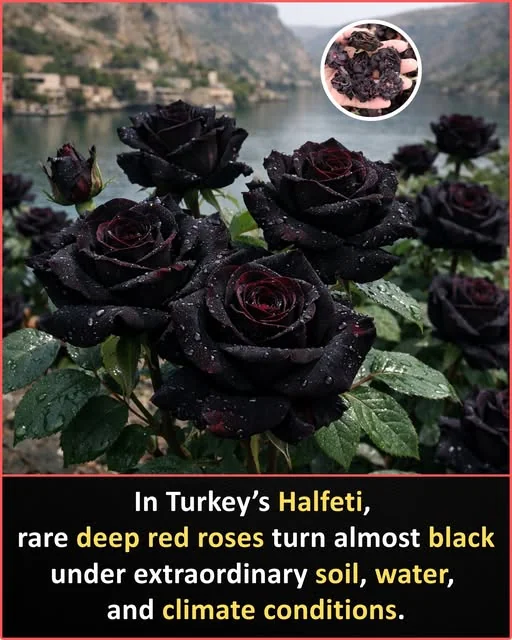
HALFETI, TURKEY — In the ancient, sun-drenched village of Halfeti, nestled along the rugged banks of the Euphrates River, grows a flower that seems more like a myth than a biological reality.
The “Siyah Gül,” or Black Rose of Halfeti, has long been a symbol of both mystery and local pride. While many internet legends claim these roses are naturally pitch-black due to “extraordinary conditions,” the scientific truth is even more fascinating. These roses are actually an extremely deep shade of crimson, a color so saturated that it absorbs almost all visible light, appearing jet-black to the casual observer.
Botanists have identified that this unique phenotype is the result of a precise ecological “perfect storm.” The soil in the Halfeti region possesses a specific pH level, nourished by the mineral-rich waters of the Euphrates.
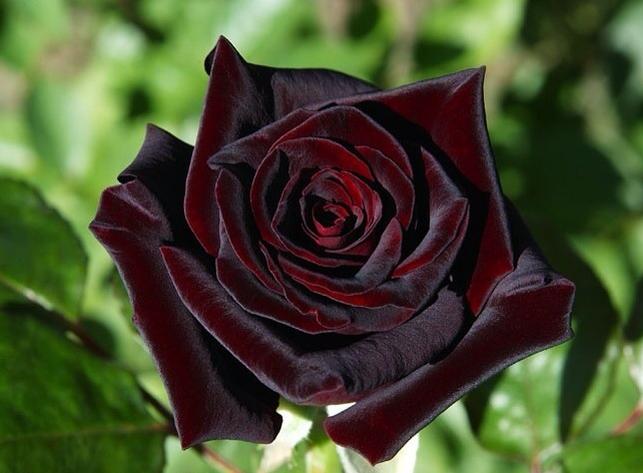
This chemistry, combined with the intense heat and atmospheric pressure of the river valley, triggers an overproduction of anthocyanins—the same pigments found in blueberries and blackberries. Interestingly, the roses only achieve their signature “black” hue during the peak of the summer heat; in the spring, they bloom a dark, velvety red.
As modern dam projects have threatened the original habitat of these flowers, local horticulturists are working tirelessly to preserve this “Gothic masterpiece” of nature, ensuring that one of Turkey’s most beautiful anomalies does not vanish into history.