The Price of Our Future: Why the Pay Gap Between Politicians and Teachers Is a National Crisis
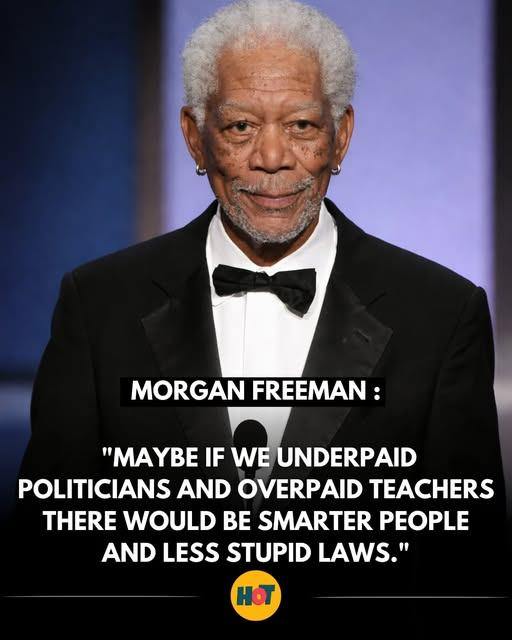
In a world where fame and political influence command the highest premiums, we are leaving the architects of our future—our educators—in the shadows. Is it time for a radical rethink of our societal priorities?
The Great Disconnect
In the grand theater of modern society, fame often collides head-on with political frustration. We watch as career politicians navigate systems of power, often rewarded with substantial salaries, lifelong pensions, and influential platforms. Meanwhile, in the quiet classrooms where the next generation is being forged, teachers are struggling to make ends meet.
This isn’t just about numbers on a paycheck; it’s a reflection of what we value. When a lawmaker earns several times more than the person teaching our children how to think, lead, and innovate, we are sending a clear message about whose contribution we truly prize.

Accountability vs. Influence
The dissatisfaction brewing in today’s governance and education systems stems from a lack of accountability. We hold our educators to impossible standards—demanding they be mentors, social workers, and academic experts all at once—yet we compensate them as if their role is secondary.
Conversely, political power often feels insulated from the consequences of its decisions. This gap creates a “vision deficit.” While politicians often focus on the next election cycle (short-term gains), teachers are invested in the next thirty years of a child’s life (long-term vision). By underfunding education, we are essentially “hollowing out” our future for the sake of current political maintenance.

Rethinking the Social Contract
If we want a society that thrives on innovation and stability, the gap between political power and education must be bridged. Rethinking our priorities means:
-
Investment as Vision: Treating teacher salaries not as an “expense,” but as a high-yield investment in national security and economic growth.
-
Closing the Gap: Implementing systemic reforms that tie political pay or school funding to measurable long-term social outcomes.
-
Elevating the Profession: Moving beyond “thank you” notes and into a reality where the brightest minds choose teaching over lobbying because it is both respected and rewarding.

The Cost of Silence
We are at a crossroads. The rising frustration with our systems of governance is a warning light on the dashboard of democracy. If we continue to prioritize the temporary influence of the political class over the foundational power of the educator, we risk a future defined by ignorance rather than insight.
The question is no longer whether we can afford to pay our teachers what they are worth—it is whether we can afford not to. It is time to align our bank accounts with our boasted values. Our children, and the world they will inherit, are waiting for us to bridge the gap.