The Godfather (1972)
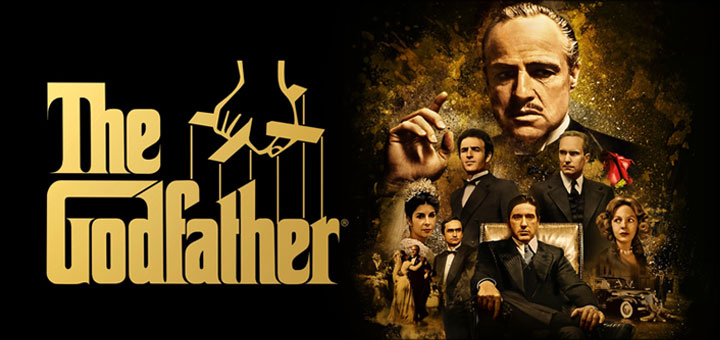
Francis Ford Coppola didn’t just make a movie — he created an American myth that still feels dangerous, intimate, and timeless more than 50 years later.
The Godfather is the story of a family, a business, and the slow, inevitable corruption of power. Marlon Brando’s Don Vito Corleone is one of the greatest screen performances ever — quiet, magnetic, terrifying. Every line he speaks carries the weight of decades; every gesture feels like a verdict. When he strokes the cat, when he refuses the drug deal, when he lies dying in his garden — you believe this is a man who built an empire with his hands and his silence.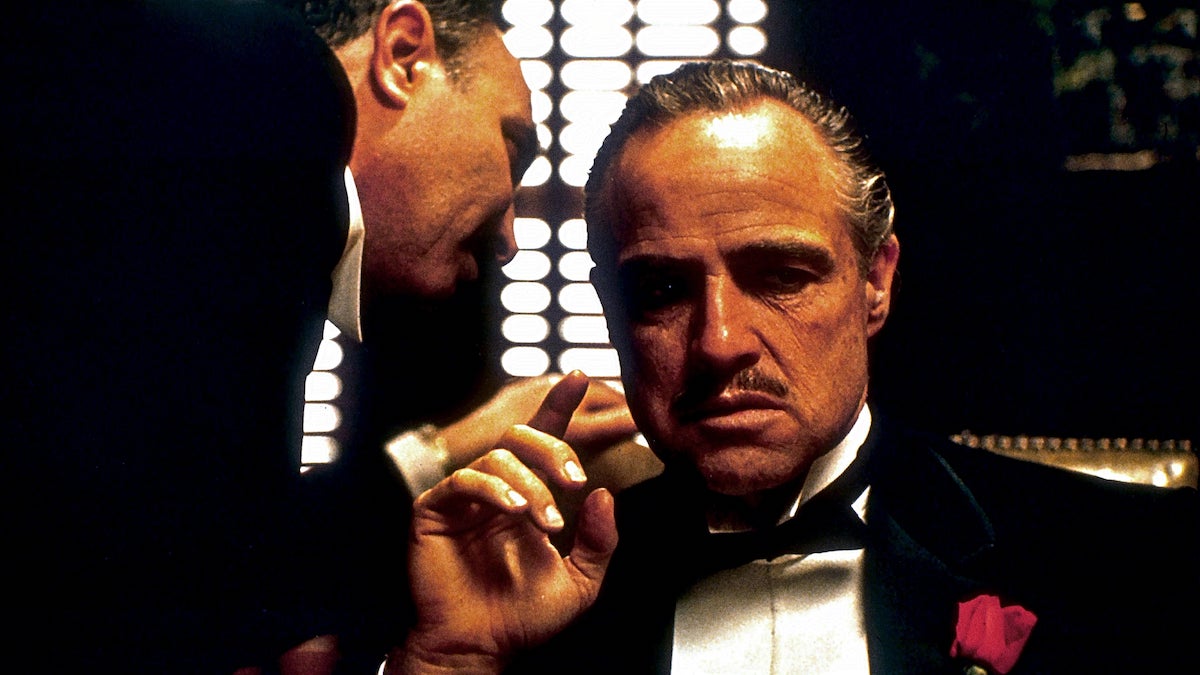
Al Pacino’s Michael Corleone is the real tragedy. We watch him transform from reluctant outsider to cold, calculating Don in real time — the baptism scene is still one of the most chilling pieces of editing and storytelling in cinema history. The supporting cast is flawless: James Caan’s hot-headed Sonny, Robert Duvall’s loyal Tom Hagen, Diane Keaton’s Kay who slowly realizes she married into something she can never escape.
The cinematography (Gordon Willis) is legendary — dark, rich, almost painterly. Shadows swallow rooms, faces emerge from gloom like statues. Nino Rota’s score is haunting and romantic, the waltz theme alone can make your throat tighten.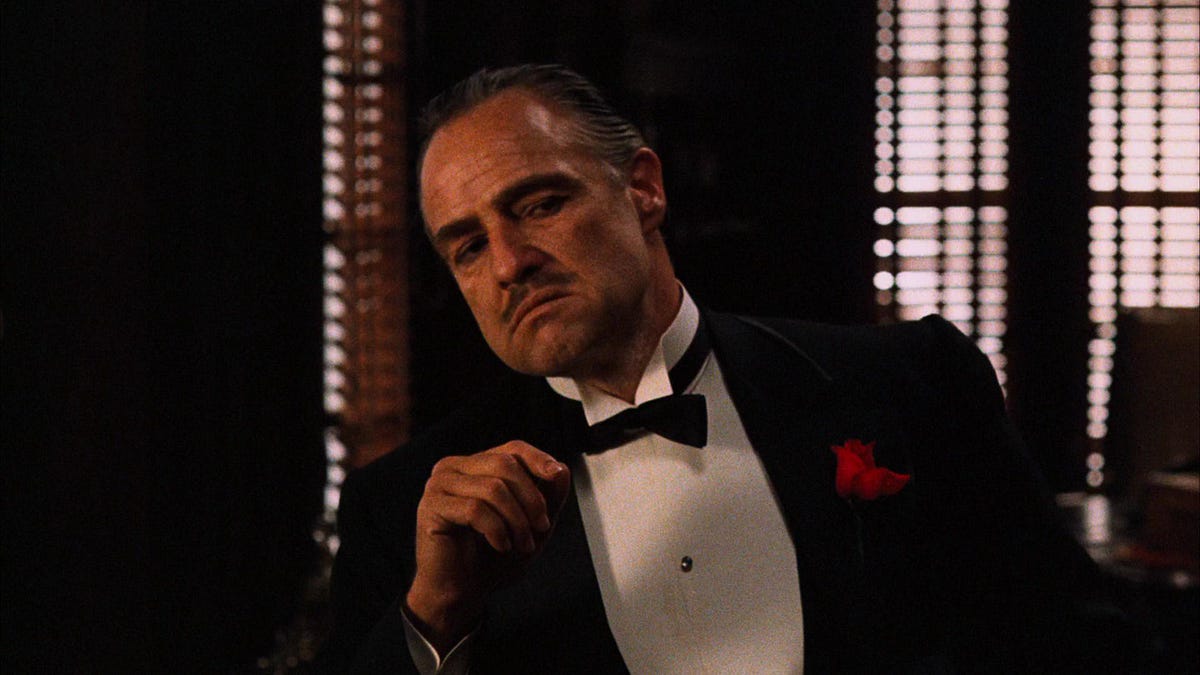
This isn’t a gangster movie. It’s a Shakespearean tragedy about family, loyalty, ambition, and the price of legacy. Every scene is deliberate; every line feels earned. The pacing is patient, the violence sudden and shocking, the emotional core devastating.
The Godfather isn’t just great — it’s essential. It redefined what American cinema could be: epic, personal, morally complex, and utterly unforgettable.
Related Movies: