Breaking: Domestic Violence Tragedy in Florida Leaves Mother and Child Dead, Raises Urgent Questions
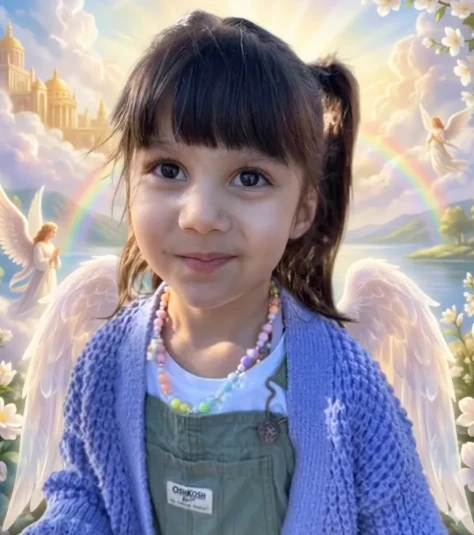
A quiet Tuesday night in Ocala, Florida, turned into a nightmare that would leave an entire community shaken and grieving. What began as reports of gunshots inside an apartment quickly unraveled into a devastating case of domestic violence—one that ended with the deaths of a young mother, her 4-year-old daughter, and the suspected shooter himself.
This is not just a story of loss. It is a chilling reminder of how unresolved conflict, resentment, and warning signs can escalate into irreversible tragedy.
A Night of Violence That Shocked a Community
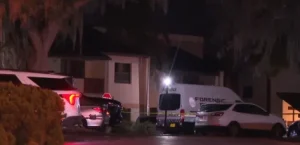
On the evening of April 6, 2026, residents at the Marion Springs Condominiums were startled by the sound of gunfire. Several neighbors immediately called 911, describing a chaotic and terrifying scene unfolding inside one of the apartments.
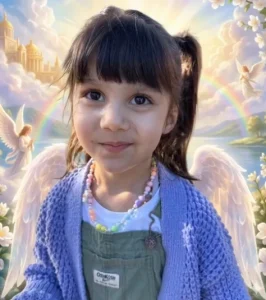
When authorities arrived, they discovered the bodies of 34-year-old Nancy Bacon and her young daughter, Eden. Both had been fatally shot.
Witnesses reported seeing Nancy’s estranged husband, 38-year-old Ralph Bacon, leaving the scene in an SUV shortly after the gunshots were heard. Police quickly launched a manhunt, tracking the suspect across state lines.
A Desperate Pursuit Ends in Tragedy
Law enforcement officers located the suspect’s vehicle approximately seven miles north of the Florida-Georgia border. As they attempted to initiate a traffic stop, the situation took another tragic turn.
Before officers could safely approach the vehicle, Ralph Bacon fatally shot himself.
In a matter of hours, what began as a domestic dispute had escalated into a triple tragedy—leaving behind unanswered questions, grieving loved ones, and a community searching for meaning in the aftermath.
Not a Random Act of Violence
Authorities were quick to clarify that the incident was not random. According to police officials, the attack appeared to be deeply personal, rooted in a strained and complicated relationship.
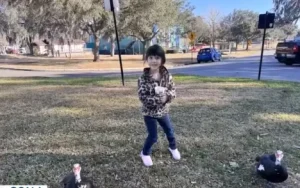
During a press conference, investigators revealed a critical detail: Eden, the 4-year-old victim, was not the biological daughter of the suspect.
This revelation has led investigators to explore possible motives tied to resentment and tension within the family dynamic. Statements from family members suggest that underlying issues had been present for years, including hostility and prejudice.
Warning Signs That Could Not Be Ignored
In the days following the tragedy, Nancy Bacon’s family spoke out, painting a troubling picture of ongoing fear and instability.
Nancy’s mother revealed that she had long been concerned about her daughter’s safety. She described Ralph Bacon as someone who had exhibited troubling behavior, including signs of anger and intolerance. According to her, there were moments when she feared the situation could turn violent.
“I always knew he would end up hurting them,” she said in a statement filled with grief and disbelief.
These words have resonated deeply with the public, raising difficult questions about whether more could have been done to prevent the tragedy.
Remembering the Victims
As the investigation continues, the focus has shifted to remembering the lives lost.
Nancy Bacon is being remembered as a devoted mother who was doing her best to navigate a difficult chapter in her life. Friends describe her as kind, resilient, and deeply committed to her daughter.
Eden, just four years old, was described as joyful, energetic, and full of life. She had her entire future ahead of her—a future that was tragically taken in an act of violence she could never have understood.
Their loss has left a profound void, not only within their family but across the wider community.
A Community in Mourning
In the wake of the tragedy, residents of Ocala have come together to support one another. Vigils, memorials, and messages of condolence have emerged as people attempt to process the shock and sorrow.
Neighbors who once shared casual greetings now share grief. The apartment complex, once an ordinary place of daily life, has become a symbol of how quickly normalcy can be shattered.
Community leaders have emphasized the importance of unity and awareness, urging residents to look out for one another and to take signs of distress seriously.

The Bigger Issue: Domestic Violence and Hidden Danger
While the details of this case continue to unfold, it has already sparked broader conversations about domestic violence and intervention.
Experts note that domestic violence does not always begin with physical harm. It can manifest through control, manipulation, emotional abuse, and, in some cases, deep-seated resentment or prejudice.
These warning signs are often visible to those close to the situation—but acting on them is not always straightforward. Legal limitations, fear, and uncertainty can prevent timely intervention.
This case highlights the urgent need for:
- Greater awareness of early warning signs
- Stronger support systems for individuals in unstable relationships
- More proactive intervention strategies
Questions That Remain
As investigators continue their work, many questions remain unanswered:
- Could this tragedy have been prevented?
- Were there missed opportunities for intervention?
- What more can be done to protect vulnerable families?
These are not easy questions, and the answers may never fully satisfy those left behind. But they are necessary questions—ones that could help prevent similar tragedies in the future.

A Call for Awareness and Change
The deaths of Nancy and Eden Bacon are more than a heartbreaking headline. They are a stark reminder of the consequences of unchecked anger, unresolved conflict, and ignored warning signs.
Their story underscores the importance of vigilance—not just from authorities, but from communities, families, and individuals. Recognizing danger early and taking it seriously can mean the difference between life and death.
A Legacy That Should Not Be Forgotten
As Ocala begins the long process of healing, one thing remains clear: Nancy and Eden will not be forgotten.
Their lives, though tragically cut short, have sparked conversations that may lead to greater awareness and stronger protections for others.
In the end, their story is not only about loss—it is about the urgent need for change, compassion, and the courage to act before it is too late.