Heartbreaking Case of Baby Finley: How System Failures Led to a Preventable Tragedy
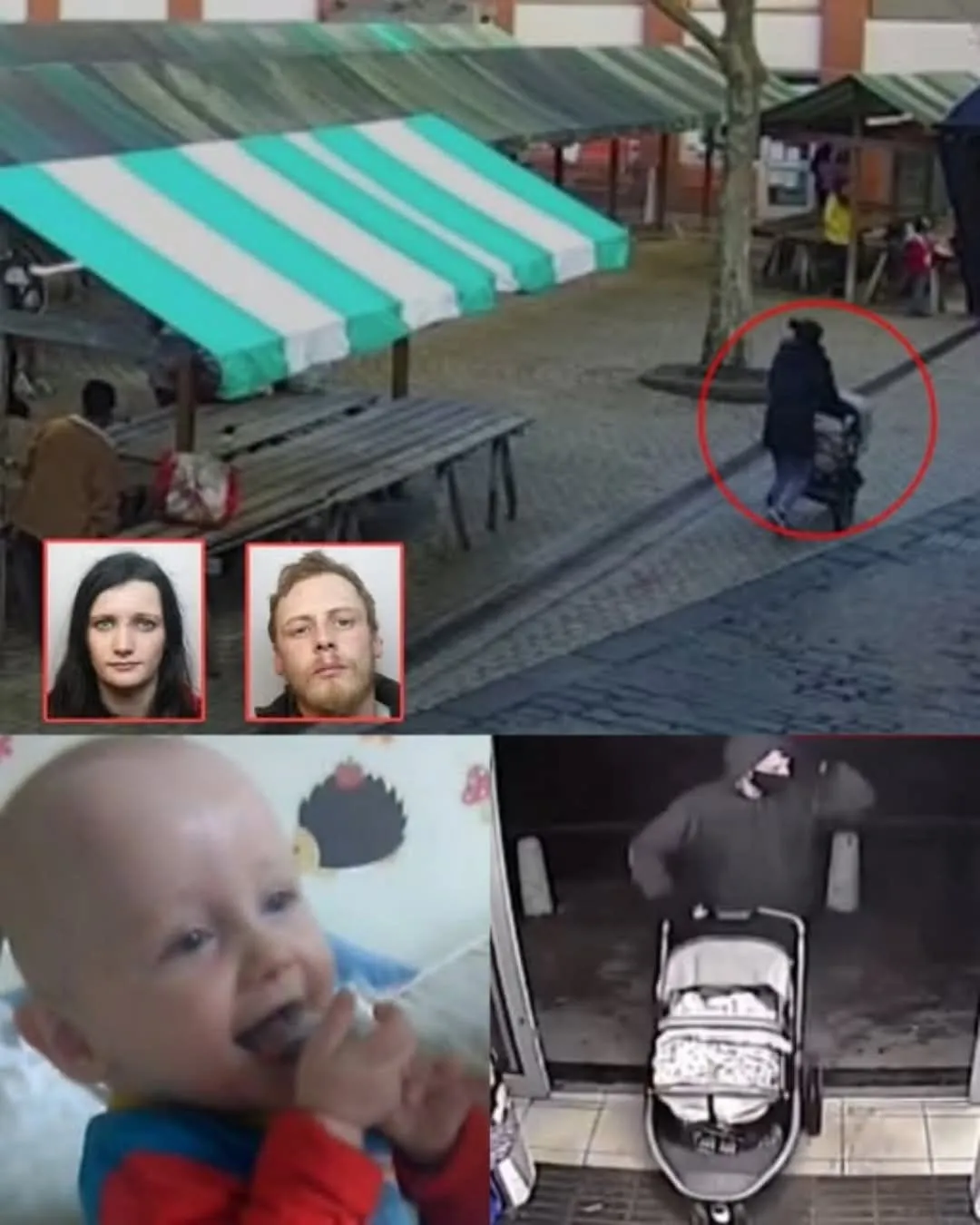
What happens when the very system designed to protect a child fails at the most critical moment? The tragic death of baby Finley is a devastating example—one that continues to spark outrage, grief, and urgent calls for reform across the United Kingdom.
This is not just a story about abuse. It is a story about missed warning signs, broken safeguards, and a vulnerable child who paid the ultimate price.
A Fragile Beginning: Early Intervention and Hope
Baby Finley was born on February 1, 2020, in Derby, England, into a high-risk environment. His parents, Shannon Marsden and Stephen Boden, had a documented history of drug addiction, domestic violence, and instability. Recognizing the immediate danger, child protection services intervened swiftly, removing Finley from their care shortly after birth.
Placed into foster care, Finley’s life took a hopeful turn.
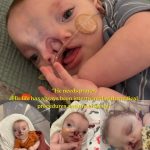
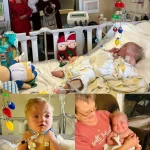
For the first nine months, he thrived. Surrounded by attentive caregivers, he experienced stability, affection, and safety—perhaps for the first time. Those who cared for him described a happy, responsive baby who smiled easily and found joy in simple things like music and human connection.
It seemed that, despite a difficult start, Finley was finally on a path toward a brighter future.
The Decision That Changed Everything
But behind the scenes, efforts were underway to reunite Finley with his biological parents.
Marsden and Boden began presenting themselves as reformed. They attended parenting classes, made promises to change, and assured authorities that they had overcome their past behaviors. On paper—and through virtual assessments during the COVID-19 pandemic—they appeared compliant.
However, those assessments came with a critical limitation.
Due to pandemic restrictions, many evaluations were conducted remotely. This meant professionals had limited ability to observe the home environment firsthand. Subtle warning signs, inconsistencies, or risks may have gone unnoticed.
Despite Finley thriving in foster care, the court ultimately approved his return to his biological parents on November 17, 2020.
It was a decision that would have fatal consequences.

Just 39 Days Later: A Christmas Day Tragedy
On December 25, 2020—just 39 days after being returned home—emergency services were called to Finley’s residence.
He was unresponsive.
Despite efforts to save him, Finley was pronounced dead.
What medical professionals discovered next shocked even the most experienced investigators.
The Horrific Truth: Evidence of Systematic Abuse
An autopsy revealed a level of abuse almost unimaginable.
Finley had suffered:
- 57 broken bones, including fractures to his arms, legs, ribs, and pelvis
- Evidence of both old and new injuries, indicating prolonged abuse
- Severe burns, likely from scalding water
- Extensive bruising and internal trauma
- Signs of infection, suggesting untreated injuries
This was not a single act of violence.
It was sustained, repeated abuse—a pattern of cruelty inflicted over time.
Medical experts concluded that Finley had endured systematic torture in the final weeks of his life.

Justice in the Courtroom
Following a detailed investigation, both parents were arrested and charged with murder.
During the 2023 trial at Derby Crown Court, the full extent of their actions came to light. Evidence showed a pattern of neglect, deception, and brutality. The parents had missed medical appointments, canceled visits, and misled social workers about Finley’s condition.
The court found both guilty.
- Shannon Marsden was sentenced to 27 years in prison
- Stephen Boden received 29 years, with both required to serve a minimum of 24 years
The judge described their actions as “monstrous,” emphasizing that the suffering inflicted on Finley was beyond comprehension.
Public Outrage and Systemic Questions
Finley’s death did not just devastate those who knew him—it shook the entire nation.
How could a child who was clearly thriving in foster care be returned to a dangerous environment?
Why were warning signs missed?
Was the system too quick to trust assurances without thorough verification?
These questions have fueled widespread debate about the effectiveness of child protection services, especially during times of crisis like the COVID-19 pandemic.
Experts have pointed to several key failures:
- Overreliance on remote assessments
- Insufficient follow-up after reunification
- Lack of rigorous evaluation of parental rehabilitation
- Gaps in communication between agencies
Finley’s case exposed vulnerabilities in a system meant to safeguard the most defenseless.

A Community in Mourning—and in Action
The emotional impact of Finley’s death continues to ripple across communities.
Advocates, social workers, and policymakers have called for urgent reforms, including:
- Stronger monitoring of high-risk families
- Mandatory in-person assessments when possible
- Improved accountability within child protection systems
- Enhanced training for recognizing signs of abuse
His story has become a rallying point—a painful but necessary reminder that systems must evolve to truly protect children.
Remembering Finley: More Than a Statistic
Finley was more than a case file or headline.
He was a child who laughed, who responded to music, who found comfort in care. He was a baby who, for a brief moment, experienced love and safety—and deserved a lifetime of it.
His life, though short, has left a lasting impact.
In the wake of tragedy, his name now stands for something more: a call to action, a demand for accountability, and a promise that his story will not be forgotten.

A Legacy That Demands Change
Finley’s story is a heartbreaking reminder of what can happen when systems fail—but also of what must change moving forward.
Every child deserves protection. Every warning sign deserves attention. And every decision must prioritize the safety and well-being of the child above all else.
As the UK continues to reflect on this tragedy, one truth remains clear:
Finley’s life mattered—and his story must lead to change.