Atlas vs Time: When Access to Care Becomes the Hardest Battle
- SaoMai
- April 7, 2026
Atlas vs Time: When Access to Care Becomes the Hardest Battle
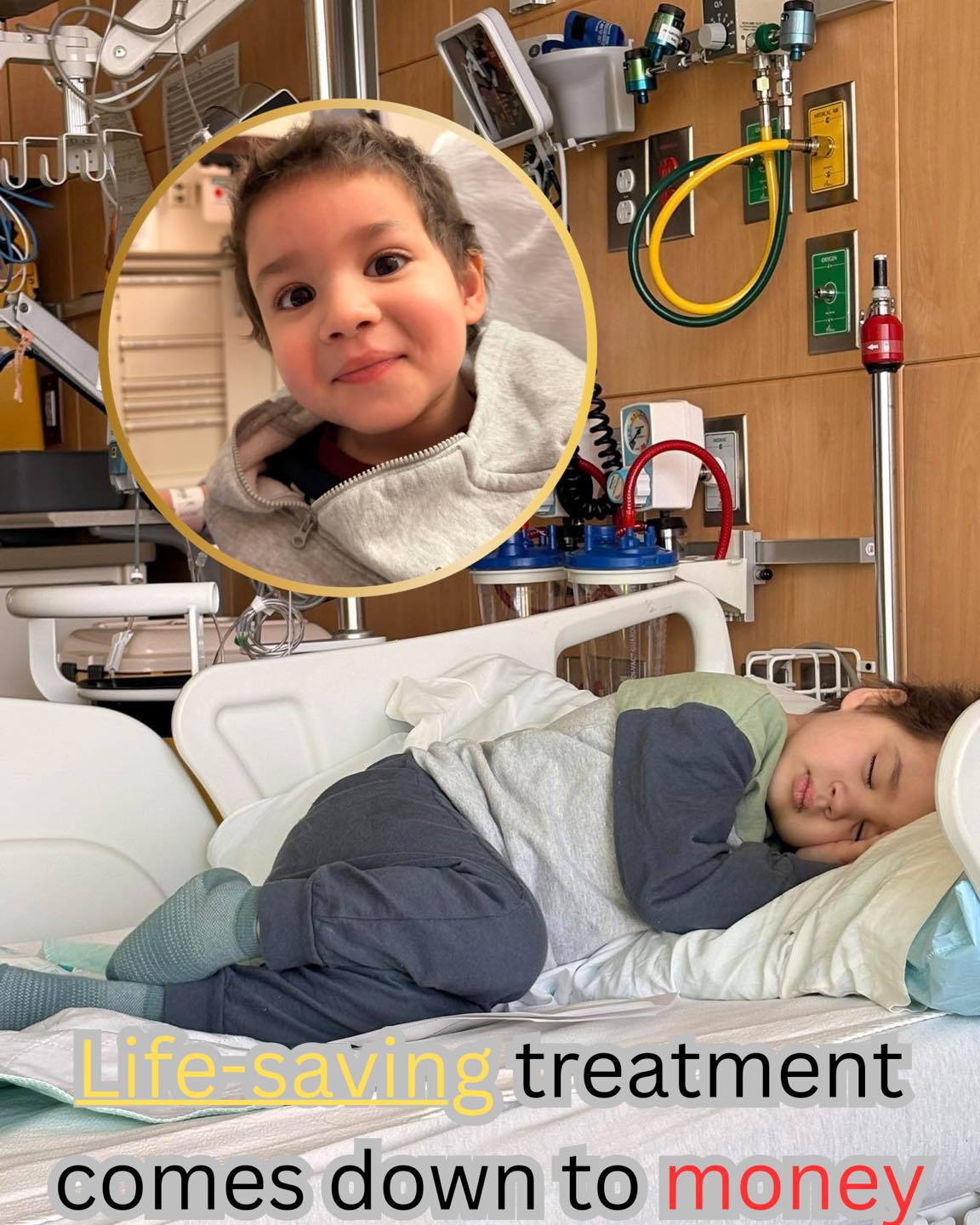
Atlas is only three years old, but he is already facing one of the most aggressive forms of childhood cancer — stage 4 refractory neuroblastoma. With a prognosis of around 20 percent, every moment matters. In cases like his, delays are not just frustrating — they can be life-threatening.
But this week, Atlas’s fight is not only against cancer. It is against a system that seems impossible to navigate.
His mother, Jacqueline, has spent months trying to secure insurance coverage through his father. After finally receiving approval, she believed a critical barrier had been lifted. Instead, the hospital denied the coverage, leaving her back at the starting point.
She looked for alternatives, hoping to pay out of pocket to avoid further delays. But even that path came with restrictions — she was told payments must go through a third party due to state regulations. The cost of simply beginning care is overwhelming: $7,000 for consultations and labs alone, not including treatment.
 At every turn, Jacqueline is met with conflicting information. Insurance representatives, hospital staff, case managers, and funding programs all offer different answers. None provide a clear solution.
And she is facing it largely on her own.
She has had to stop working to care for Atlas full-time — managing chemotherapy, appointments, and hospital stays. At home, her six-year-old daughter is trying to understand why her little brother is always gone, and why life has changed so suddenly.
Jacqueline’s frustration is captured in one heartbreaking question: how can a child fighting cancer be unable to access the care he urgently needs?
This is not a case of lacking medical options. Treatments exist. Specialists are available. The barrier is access — a complex web of approvals, policies, and costs that stand between a child and potentially life-saving care.
For families in similar situations, the battle often extends far beyond the hospital room. It becomes a fight against time, paperwork, and uncertainty — all while trying to hold onto hope.
Stories like Atlas’s raise difficult questions, not just about healthcare systems, but about how quickly help can reach those who need it most.