Russia’s “100% Cancer Vaccine” Claim: What You Should Know
Russia’s “100% Cancer Vaccine” Claim: What You Should Know
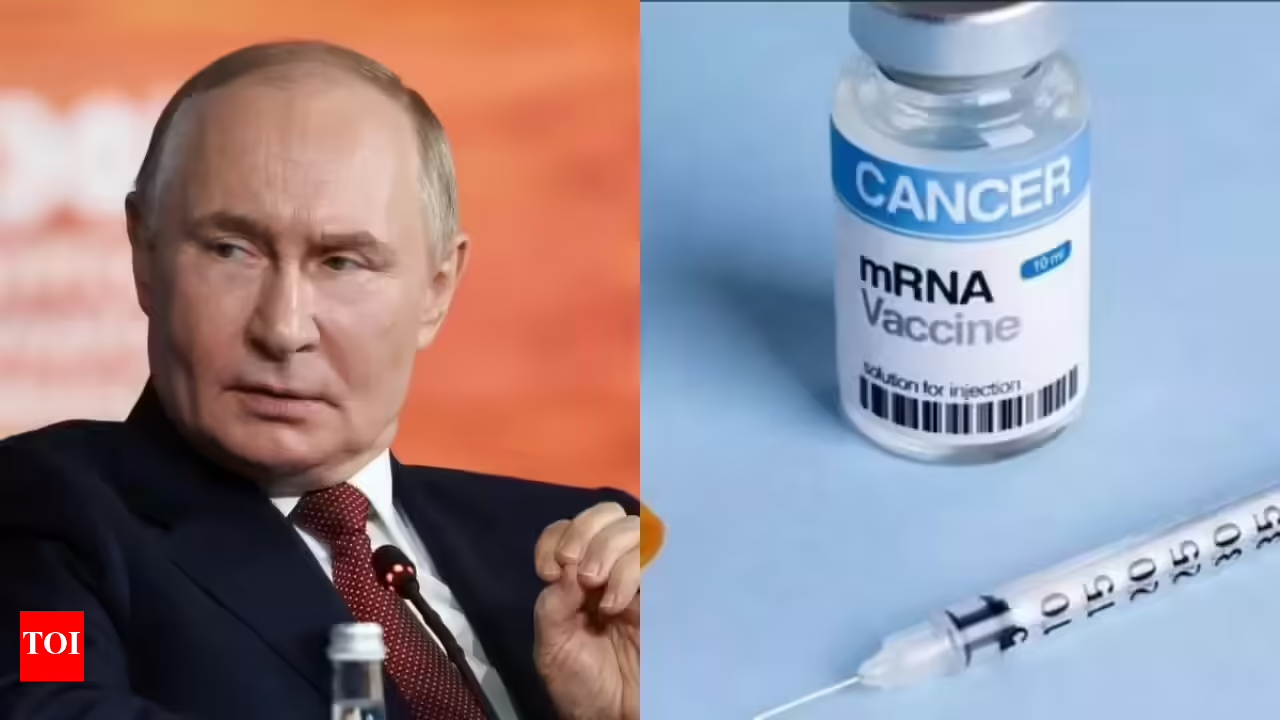
Moscow has recently made headlines with the announcement of EnteroMix, an mRNA cancer vaccine that reportedly achieved 100% efficacy in early trials. This bold claim has sparked widespread excitement, suggesting a potential breakthrough in the fight against cancer. However, the reality of this vaccine’s promise is still under scrutiny.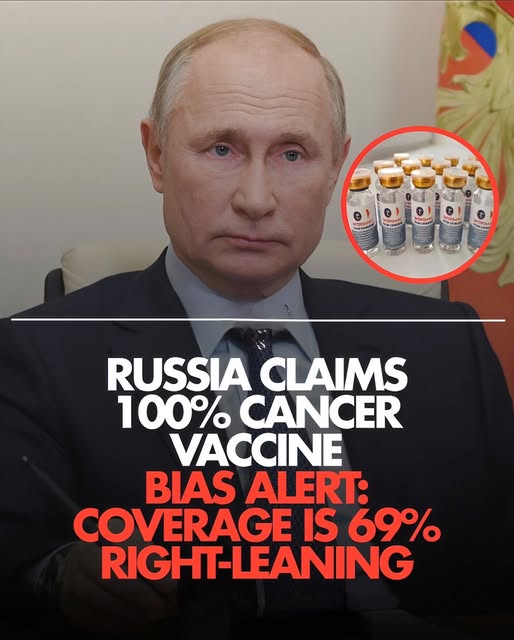
The Early Trial Results: Promise or Overstatement?
In the initial stages, EnteroMix has shown 60–80% tumor shrinkage in animal models, and Phase I trials reportedly revealed no side effects. These results are undeniably intriguing, and they suggest that the vaccine could have therapeutic potential. The vaccine is based on mRNA technology, the same platform used in the development of COVID-19 vaccines, which has garnered considerable attention for its ability to train the immune system to target and destroy specific cells.
However, experts are cautious. Early trials are just that—early. The trials conducted so far have involved small groups of animals and limited human involvement, meaning that the findings cannot yet be generalized. The phrase “100% efficacy” is particularly concerning because it’s based on very limited data and does not guarantee success on a larger scale. There is a long road ahead for clinical validation, and experts are urging for more comprehensive studies before any conclusions can be drawn.
What’s the Political Dimension?
Beyond the scientific considerations, the announcement of EnteroMix has been politically charged. Russia’s state-run media and health organizations have touted the vaccine as a global game-changer. However, this promotion has led to skepticism, with some experts arguing that the speed and nature of the claims are being influenced by geopolitical agendas. With tensions between Russia and the West, the timing of the announcement raises questions about whether the claims are more about political influence than genuine scientific progress.
Global Health Implications: A Hopeful But Cautious Outlook
Cancer remains one of the world’s deadliest diseases, killing 10 million people annually. If a viable cure or even an effective treatment were to emerge, it could truly change lives. A breakthrough cancer vaccine could help countless individuals, reducing the global burden of this disease and offering new hope to millions of families.
But until peer-reviewed data becomes available, EnteroMix remains in the realm of possibility, not certainty. Experts are emphasizing the importance of caution, particularly when media coverage spins the vaccine as a “cure-all.” The scientific community needs time to review the data, conduct larger-scale trials, and assess long-term safety and efficacy before this vaccine can be considered a reliable treatment.
Hope vs. Hype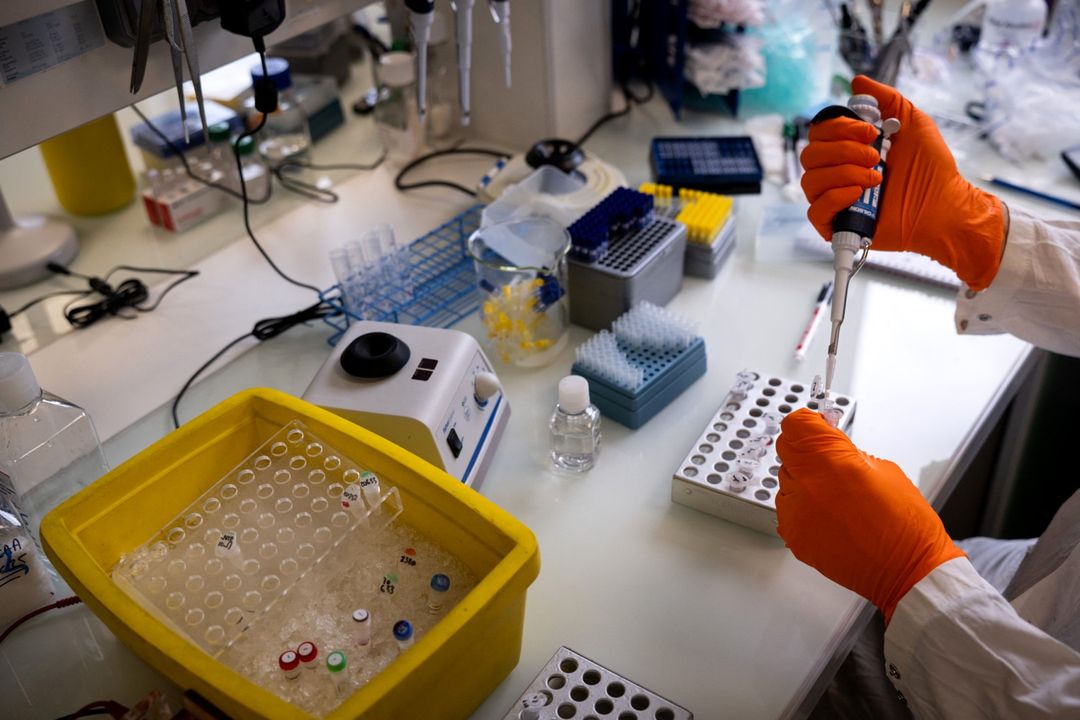
While it’s natural for people to want to believe in a cure for cancer, experts are reminding us that hope is priceless, but hype is dangerous. A small trial showing promising results doesn’t equate to a global solution. EnteroMix could one day revolutionize cancer treatment, but that will require extensive clinical trials, regulatory approval, and years of research to fully understand its potential and limitations.
In the coming months, the scientific community will likely publish more findings. Until then, it is important to approach claims of “100% efficacy” with cautious optimism rather than blind hope. For now, real breakthroughs in cancer treatment still depend on more than just initial trial results.
Conclusion: Proceed with Caution
The announcement of EnteroMix has certainly caught the world’s attention, but experts are urging for vigilant skepticism until further research can confirm its effectiveness. While the early results are promising, cancer patients and the broader medical community should remain cautiously hopeful, awaiting more data and global validation before celebrating the potential end of one of humanity’s most formidable health challenges.
Until then, let’s focus on what we know: Real breakthroughs require rigorous testing, not just headlines.