🚨🧠 THE DOCTOR WHO “CURED” SYPHILIS BY INFECTING PATIENTS WITH MALARIA 😱💉 | ONE OF MEDICINE’S MOST SHOCKING EXPERIMENTS 🏥⚡
🚨🧠 THE DOCTOR WHO “CURED” SYPHILIS BY INFECTING PATIENTS WITH MALARIA 😱💉 | ONE OF MEDICINE’S MOST SHOCKING EXPERIMENTS 🏥⚡
Before antibiotics existed, neurosyphilis was a death sentence. Once the infection spread to the brain, it caused paralysis, psychosis, and eventually death. Doctors were powerless to stop it — until one Austrian physician came up with one of the most radical ideas in medical history.
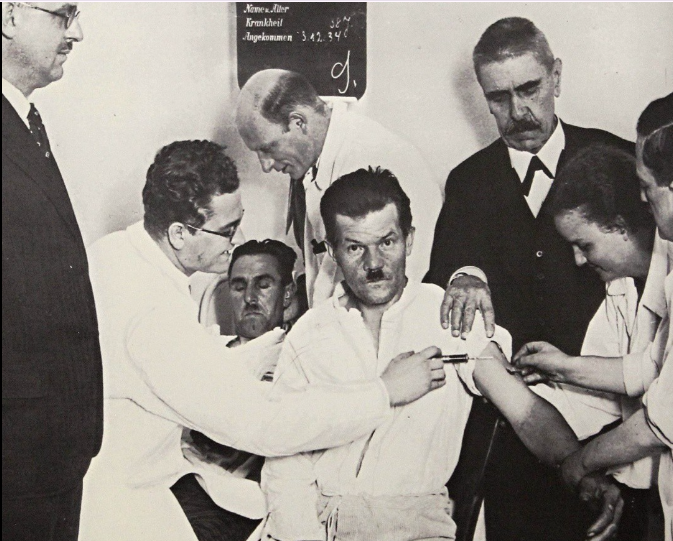
In 1917, Julius Wagner-Jauregg proposed deliberately infecting syphilis patients with malaria. His reasoning was surprisingly logical: malaria causes intense, repeated fever spikes, and high fevers are hostile to the syphilis bacteria. If the fever didn’t kill the infection outright, it could weaken it enough to give the patient a fighting chance. And crucially, doctors already knew how to treat malaria with quinine — so the plan had an exit strategy.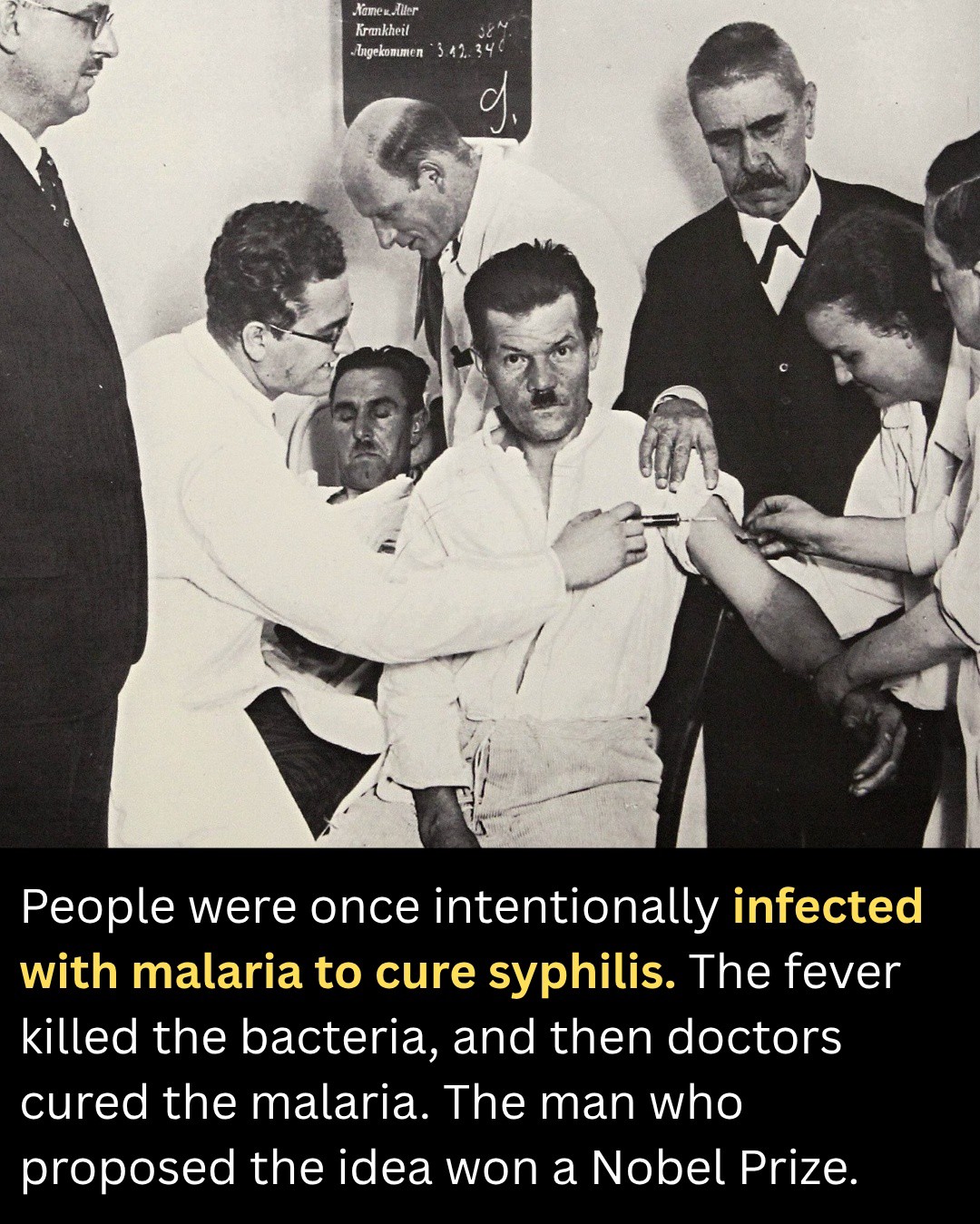 The treatment, known as malariotherapy, worked. Patients were intentionally infected with malaria parasites, endured several brutal fever cycles, and then received quinine to eliminate the malaria. Many who would have otherwise died showed dramatic improvement. It was dangerous, uncomfortable, and deeply unconventional — but it saved thousands of lives and became the standard therapy for neurosyphilis for the next several decades.
The medical world took notice. In 1927, Wagner-Jauregg was awarded the Nobel Prize in Physiology or Medicine for the discovery — to this day, the only psychiatrist to win that honor in the 20th century.
Everything changed in the 1940s when penicillin arrived. It could cure syphilis safely and completely, with none of the risks of intentional malaria infection. Malariotherapy quickly became a relic of medical history.
It’s a strange chapter in medicine — curing one deadly disease by introducing another — but it stands as proof that desperate times sometimes produce ideas that, against all odds, actually work.