🚨🏅 IOC MAKES MAJOR OLYMPIC RULE CHANGE FOR 2028 😱⚖️ | NEW ELIGIBILITY POLICY SHAKES SPORTS WORLD 🌍🔥
🚨🏅 IOC MAKES MAJOR OLYMPIC RULE CHANGE FOR 2028 😱⚖️ | NEW ELIGIBILITY POLICY SHAKES SPORTS WORLD 🌍🔥
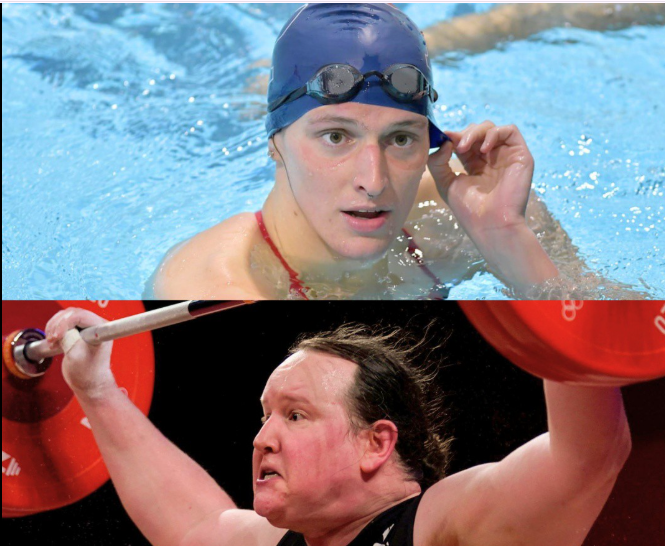
In a landmark decision that has sent shockwaves through the sporting world, the International Olympic Committee announced on March 27, 2026, that eligibility for all women’s events at the Olympics will henceforth be restricted to biological females. The policy takes effect from the 2028 Summer Games in Los Angeles and applies across every individual and team sport on the Olympic programme.
The policy is built around a mandatory, one-time SRY gene screening test — a simple saliva swab, cheek swab or blood sample that screens for a segment of DNA on the Y chromosome that initiates male sex development. The IOC describes it as the most accurate and least intrusive method currently available. Athletes who test negative satisfy the criteria permanently and will never need to be tested again.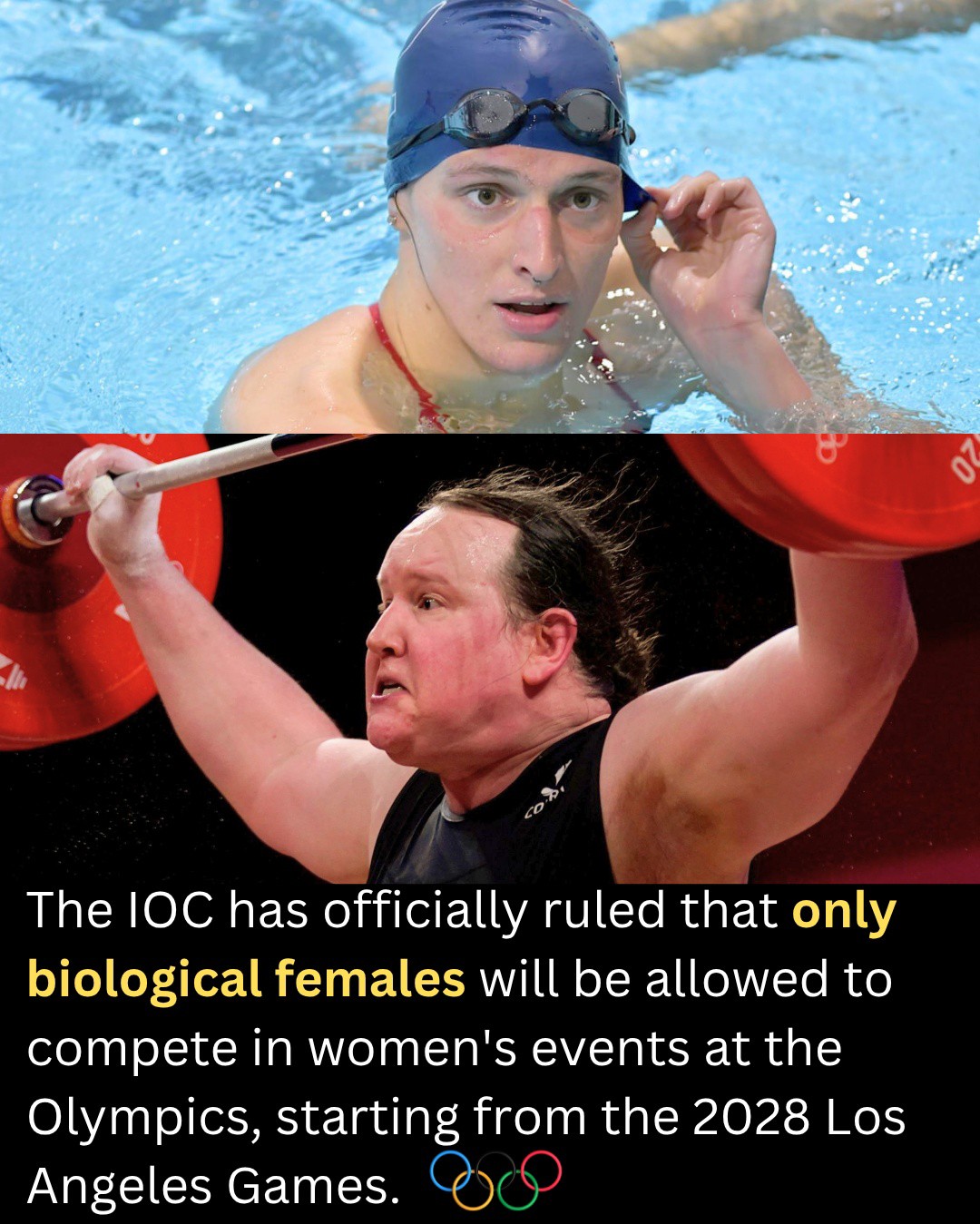 IOC President Kirsty Coventry, a two-time Olympic gold medallist in swimming from Zimbabwe and the first woman ever to lead the Olympic movement in its 132-year history, was unequivocal in her reasoning. “At the Olympic Games, even the smallest margins can be the difference between victory and defeat,” she said. “It is absolutely clear that it would not be fair for biological males to compete in the female category. In addition, in some sports it would simply not be safe.”
Coventry set up a working group to review the issue within weeks of becoming IOC President last year. The group included specialists in sports science, endocrinology, transgender medicine, women’s health, ethics and law. Their conclusion was unanimous — being born male confers physical advantages in strength, power and endurance that are retained even after medical transition, making level competition in the female category impossible to guarantee.
The decision is not without its complications. The policy also affects female athletes with naturally occurring differences in sex development, most notably two-time Olympic champion runner Caster Semenya, who was born female in South Africa but has naturally elevated testosterone levels. Semenya called the ruling “exclusion with a new name.” There are also rare exceptions built into the policy — athletes diagnosed with Complete Androgen Insensitivity Syndrome, whose bodies cannot respond to testosterone, may still be permitted to compete in the women’s category.
Notably, transgender athletes are not excluded from the Olympics altogether. They remain eligible to compete in any male category, any open category, or in mixed events — just not in the female category.
The IOC was clear that this is not a retroactive policy, and it does not apply to grassroots or recreational sports. It replaces all previous guidance issued to national federations, which had until now been left to draft their own rules — leading to inconsistent standards across different sports and countries.
A decision that was years in the making, it now raises the curtain on a new era for women’s sport at the highest level.