🚨👻 THE “GHOST DRIVER” SCAM THAT TERRIFIED UBER USERS IN CHINA 😱💀 | WHEN FEAR TURNED INTO CASH 💸🚗
🚨👻 THE “GHOST DRIVER” SCAM THAT TERRIFIED UBER USERS IN CHINA 😱💀 | WHEN FEAR TURNED INTO CASH 💸🚗
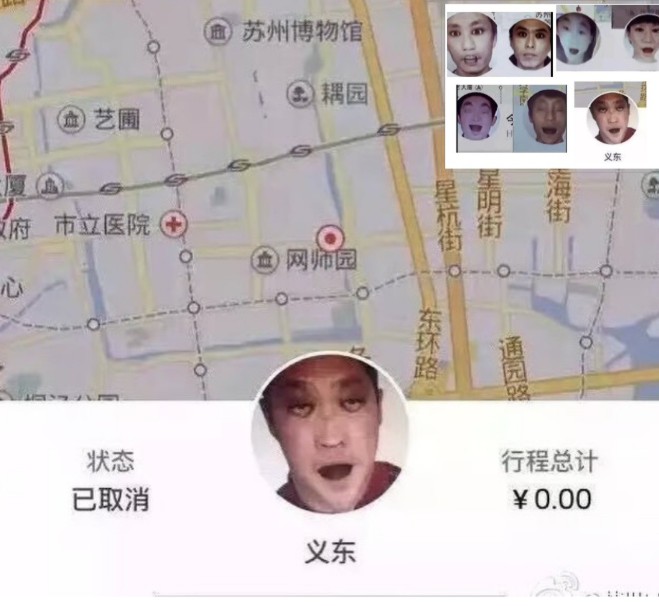
In 2016, passengers using Uber in China began noticing something deeply unsettling — the driver who accepted their ride had a profile photo that looked like it belonged in a horror film. Distorted faces, zombie-like expressions, pale ghoulish features staring back at them from the app. Many passengers, spooked by what they saw, did exactly what the scammer was counting on: they cancelled the trip.
That cancellation fee — just a few yuan, less than a dollar — went straight to the driver. It was a calculated scam, and it was spreading across multiple cities simultaneously, including Beijing, Shanghai, Chengdu, Tianjin, Qingdao, Xiamen, Zhengzhou, and Suzhou. The scheme was so widespread that these fraudsters earned a name on Chinese social media: “ghost drivers.” For passengers who were brave enough not to cancel, the ghost drivers had a backup plan. They would accept the ride, mark the passenger as having entered the vehicle on the app, start the meter, and then cancel the trip — charging a short-ride fee for a journey that never happened. Either way, the driver walked away with money while doing absolutely nothing.
Uber China acknowledged the scam publicly, suspended the identified accounts, and promised to refund passengers who reported fraudulent charges. The company stated it had a zero-tolerance attitude toward scamming behavior. But the sheer scale of the operation — spanning nearly every major Chinese city — suggested it was not a few rogue individuals acting alone, but an organised effort.
It remains one of the more creative ride-hailing scams ever recorded: weaponising fear itself as the tool of fraud.