🚨 OPERATION FLEX: THE FBI INFILTRATION THAT LEFT A COMMUNITY IN FEAR AND SILENCE
🚨 OPERATION FLEX: THE FBI INFILTRATION THAT LEFT A COMMUNITY IN FEAR AND SILENCE
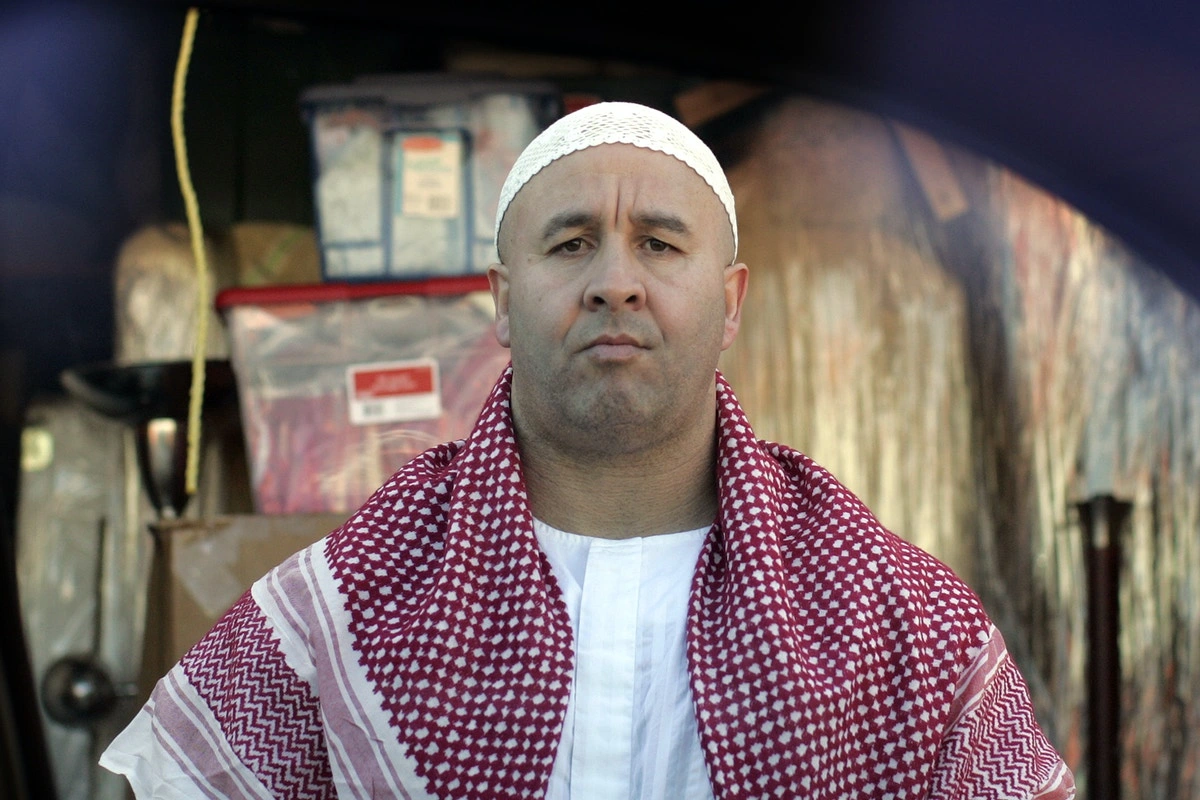
In 2006, the FBI launched a secret surveillance operation in Orange County, California, called Operation Flex. They recruited a gym trainer named Craig Monteilh — a man with a criminal past — to pose as a Muslim convert and infiltrate local mosques. The FBI trained him in the basics of Islam and Arabic, gave him the alias “Farouk al-Aziz,” and paid him $11,200 a month to spy on an entire religious community.
Monteilh announced his “conversion” before hundreds of worshippers during Ramadan prayers, attended the mosque up to five times a day, befriended families, and visited people in their homes. The whole time, he was secretly recording thousands of hours of audio and video using devices hidden in his car keychain, shirt buttons, and remote controls left behind in prayer halls and even in the private counselling office of the mosque’s imam.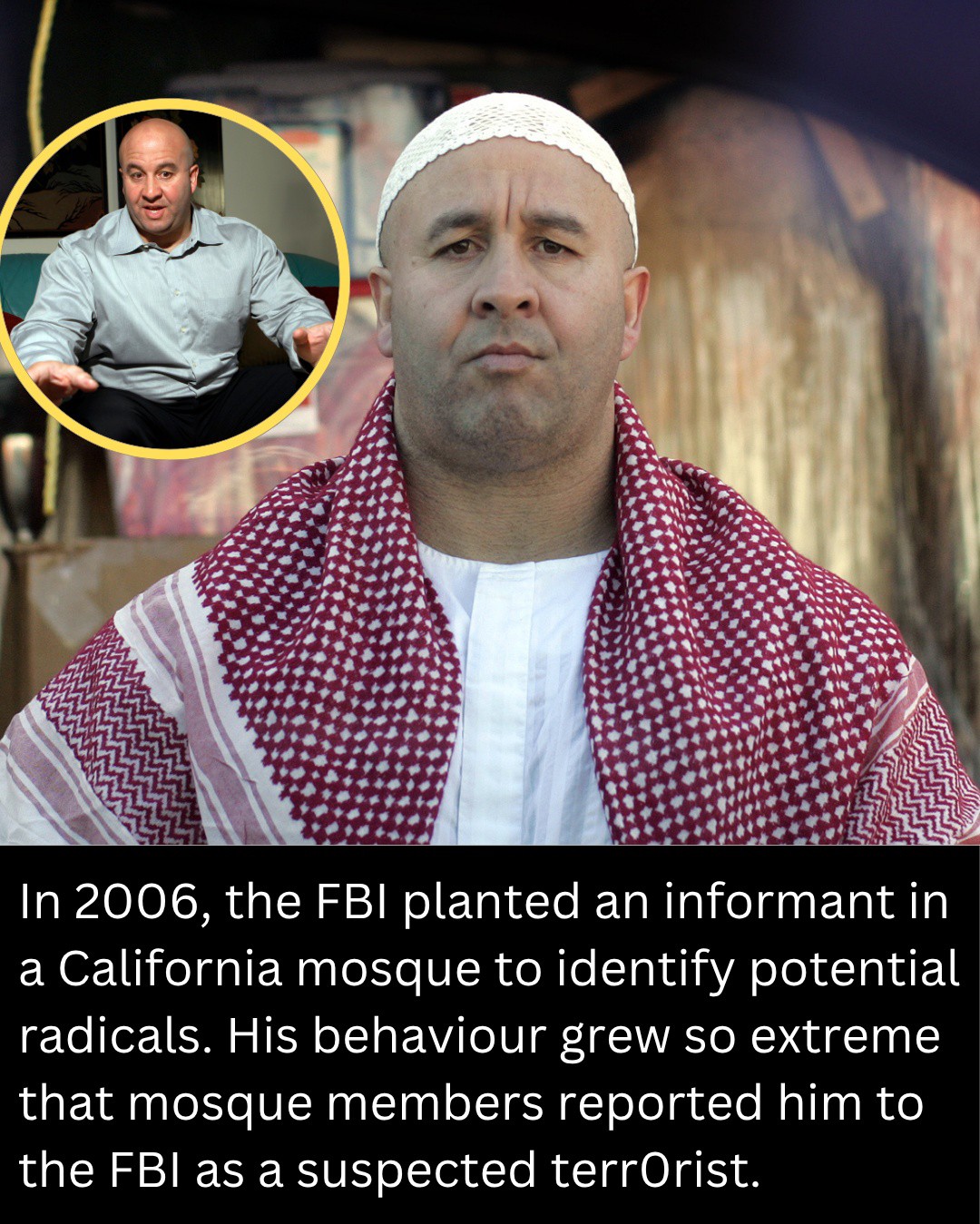 The FBI’s instructions were not to target anyone suspected of a specific crime. Monteilh was told to gather as much personal information as possible on as many Muslims as he could — names, phone numbers, travel plans, political views, and religious practices. The more devout a person appeared, the more closely he was told to watch them.
Then came the twist that made this story unlike any other. When his FBI handlers instructed him to begin making statements about jihad and armed violence, mosque members found his behaviour so alarming that they reported him to the police, obtained a restraining order, and called the FBI to warn them about a suspected terrorist — completely unaware the man they were reporting was already on the FBI’s payroll.
The operation ended without a single terrorism conviction. Monteilh himself was later arrested for running a separate scam, conning two women out of over $150,000. He went to prison, where he was stabbed after being identified as an informant. In 2011, three Muslim community members filed a class action lawsuit against the FBI with the support of the ACLU. The case went all the way to the United States Supreme Court, which ruled in 2022 that the government could invoke the state secrets privilege — meaning the victims could never access the recordings made of them to prove their case.
The damage to the community outlasted the operation by years. Families stopped gathering for communal prayers. Worshippers grew suspicious of one another. Imam Fazaga, whose private therapy sessions had been secretly recorded, adopted a rule he has kept ever since: if he cannot say something in public, he will not say it in private.
Operation Flex produced no terrorists and no convictions. What it produced was a community that learned, the hard way, that the act of welcoming a stranger could be turned into a weapon against them.