The Strait of Hormuz Crisis: 100+ Oil Tankers Stranded Amid High-Stakes Showdown
The Strait of Hormuz Crisis: 100+ Oil Tankers Stranded Amid High-Stakes Showdown
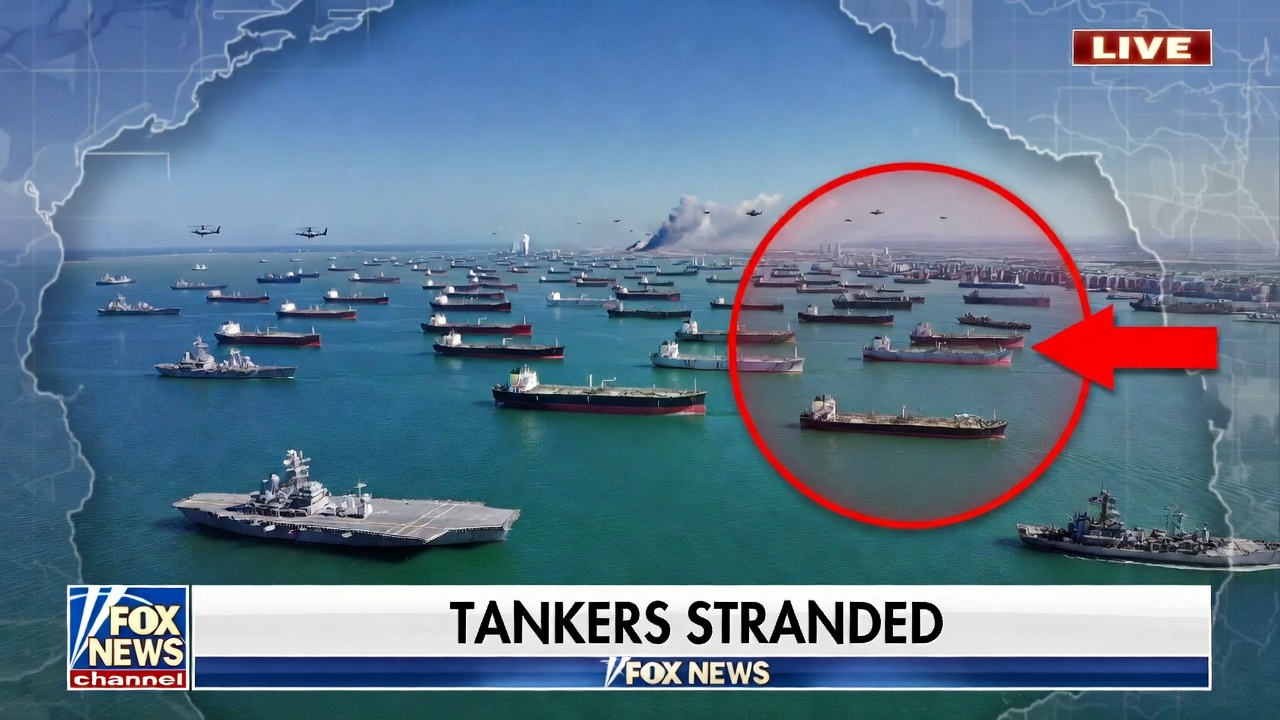
In a dramatic turn of events, more than 100 oil tankers are stranded in the waters outside the Strait of Hormuz, one of the world’s most crucial maritime chokepoints for global oil trade. Despite the U.S. Navy’s powerful response — codenamed Operation Epic Fury — which has successfully taken out over 3,000 targets and reportedly crippled 90% of Iran’s military capabilities, there’s been no sign of any U.S. Navy ships escorting these tankers through the narrow passage.
Why hasn’t the U.S. military stepped in to ensure the safe passage of these vital oil shipments?
The answer lies in a combination of military strategy, geopolitical realities, and an intricate web of threats surrounding the Strait. While the U.S. Navy’s airstrikes and operations have decimated much of Iran’s military forces, a dangerous set of obstacles still makes the region one of the most perilous places on Earth.
Iran has developed a sophisticated, multi-layered defense system designed to protect its interests in the Strait, and its approach to defense doesn’t rely solely on brute force.
First, the waters are lined with a vast network of sea mines — hidden beneath the surface, making navigation treacherous. The U.S. Navy’s mine detection and neutralization capabilities are world-class, but these mines require careful, meticulous clearance, and even then, they don’t guarantee total safety.
Second, Iran has fortified its coastline with a barrage of anti-ship missiles, capable of targeting even the largest vessels. These missiles pose a serious threat to any ship attempting to enter or leave the channel, including tankers carrying precious oil.
Finally, the region is swarming with small, fast-moving attack boats — Iran’s swarm tactic. These boats are fast, nimble, and can launch coordinated assaults against larger vessels with little to no warning. They can overwhelm even the most advanced defense systems if they strike all at once.
And here lies the critical reason behind the standstill: the U.S. Navy, known for its overwhelming firepower, is facing a dilemma in the Strait. For the Navy, it’s not about firing missiles or using airstrikes — it’s about ensuring total security. In escorting a tanker, there’s no room for error. With Iran’s multi-layered defense still intact, a 90% safety guarantee simply isn’t enough. It’s not just a matter of defeating enemy forces; it’s about the math of survival, especially when dealing with civilian vessels.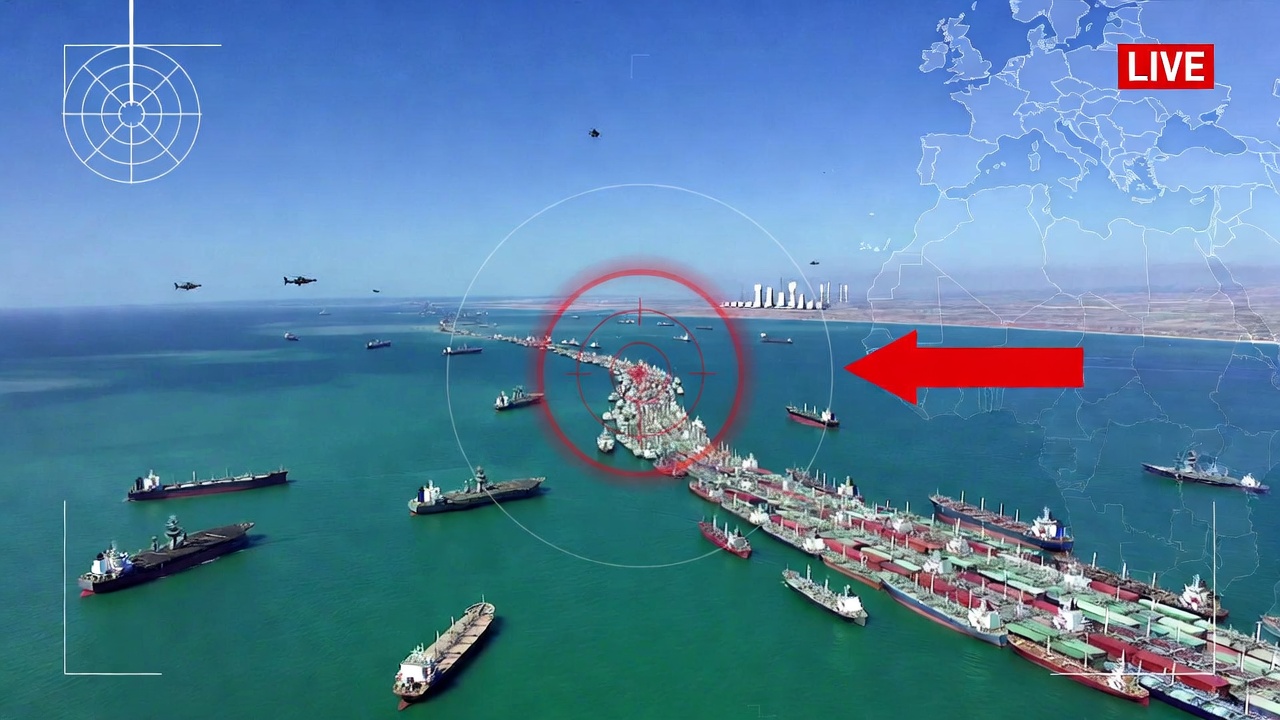
The trap that Iran has set — one that has effectively neutralized most military action in the region — is now coming back to haunt them. The blockade they’ve created to keep foreign powers out may soon keep their own forces trapped as well. With so many tankers stuck outside the Strait, Iran’s own access to oil and other goods may be more vulnerable than they ever anticipated. The very blockade designed to hold off the U.S. Navy could isolate Iran, cutting off critical trade and economic lifelines that fuel the country’s economy.
In the coming days, the world will be watching closely. Will the U.S. and its allies find a way to break through the blockade without suffering heavy casualties, or will Iran’s defenses hold firm, and force the world’s largest economies to rethink their oil supply strategies?
This is no longer just a battle for control of a waterway. It’s a high-stakes geopolitical struggle, with global energy markets, regional power dynamics, and military strategies all hanging in the balance. The next move could tip the scale in favor of one side or the other — and the outcome will affect the course of history.