Iran Continues Oil Shipments to China Via Strait of Hormuz Despite War with Israel-U.S.
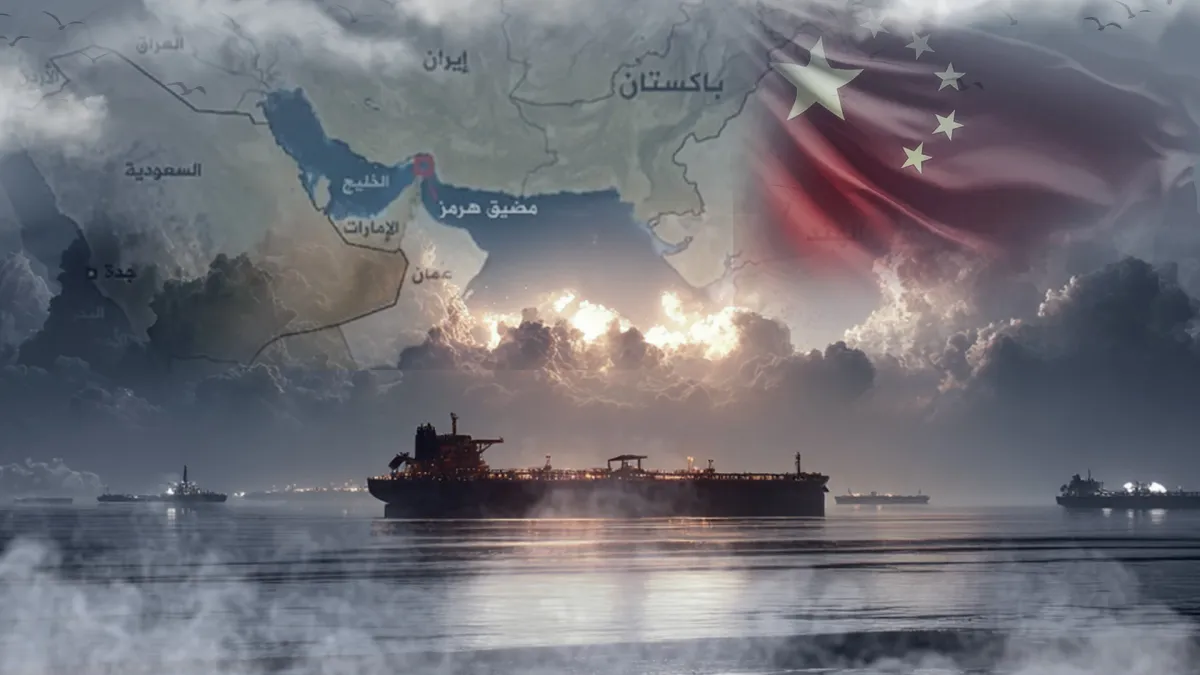
Iran Continues Oil Shipments to China Via Strait of Hormuz Despite War with Israel-U.S.
Despite being engaged in a complex and escalating war with Israel and the U.S., Iran has continued to ship oil to China through the highly strategic and contested Strait of Hormuz, signaling Tehran’s defiance in the face of mounting international pressure and military threats. The decision to maintain oil exports during a period of intense regional conflict highlights Iran’s resilience in securing key economic ties with Beijing, its most important trade partner and ally.
Uninterrupted Oil Shipments Amid Military Escalations
While tensions in the Middle East have reached new heights, with military confrontations intensifying between Israel, the U.S., and Iran-backed forces, Iran’s oil exports to China have remained uninterrupted. The Strait of Hormuz, a vital maritime chokepoint through which nearly 20% of the world’s oil passes, has become a hotbed of conflict, with Iran facing off against the U.S. Navy and regional allies as it defends its shipping lanes.
Despite heightened risks from both aerial and maritime attacks, Iran has reportedly maintained its oil trade with China, continuing to send significant volumes of crude oil and condensates through the Strait. Tehran’s ability to sustain these shipments has raised questions about the effectiveness of international sanctions and military deterrence efforts.
China’s Role: A Key Buyer Amid Tensions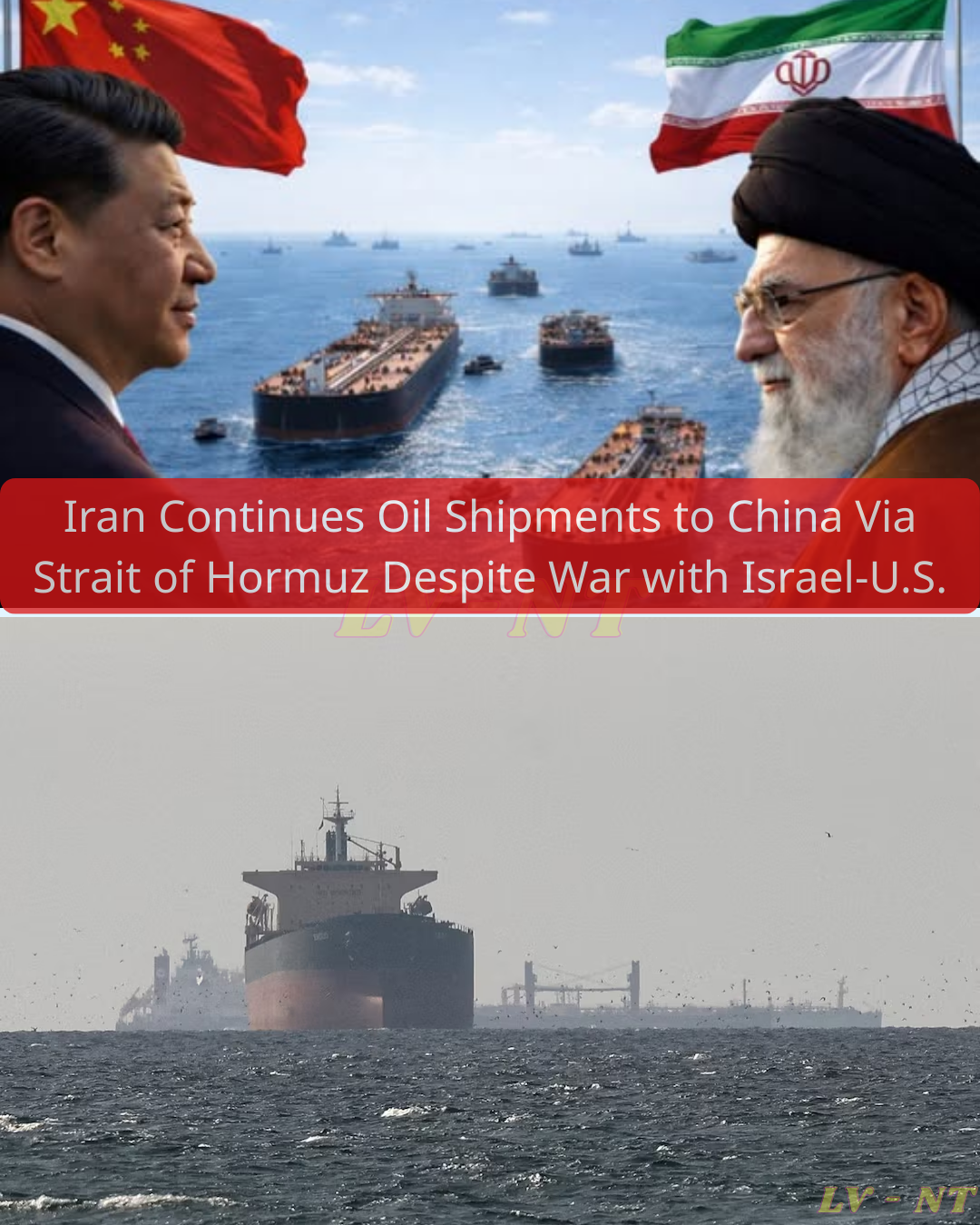
China, the world’s largest oil importer, remains Iran’s top buyer of crude oil, despite global sanctions. Reports suggest that Chinese companies have developed sophisticated methods to bypass U.S. sanctions, enabling continued trade despite pressure from Washington to halt all business with Tehran.
China’s reliance on Iranian oil has become a cornerstone of the two countries’ growing economic partnership, especially as Beijing seeks to counter U.S. influence in the region. The Belt and Road Initiative, which includes energy infrastructure investments, has further cemented China’s interests in Iran.
U.S. and Israeli Military Activity in the Region
The U.S. has ramped up its military presence in the Gulf in response to growing Iranian hostilities, including a series of attacks on Israeli-linked commercial ships and military bases in Iraq. Israeli forces have also reportedly conducted airstrikes on Iranian targets in Syria and Iraq in an attempt to disrupt Tehran’s military supply lines and missile programs.
These developments have raised fears of all-out warfare between Israel and Iran, with the potential for the U.S. military to become directly involved, especially given Washington’s commitment to Israel’s defense. However, despite these escalating tensions, Iran continues to defy both Israeli and U.S. pressure, focusing on its oil shipments as a lifeline for its economy.
The Importance of the Strait of Hormuz
The Strait of Hormuz remains one of the world’s most critical waterways for oil shipments, and Iran’s control over its access gives it significant leverage over global oil markets. Any disruption of shipments through the Strait could lead to significant increases in global oil prices, which is why international powers have kept a close watch on Iranian actions in the region.
Despite the conflict, Iran’s commitment to maintaining its oil exports through the Strait of Hormuz underlines Tehran’s determination to keep its economy afloat amidst sanctions and military aggression. Analysts suggest that Tehran’s military maneuvers, including blocking or threatening to block shipping lanes, are designed to assert control over this vital chokepoint while demonstrating its ability to retaliate against Western powers.
Economic Survival Strategy
For Iran, these oil exports are essential to surviving both the economic sanctions imposed by the U.S. and its allies and the military pressure from Israel. Despite the conflict with Israel and the U.S., oil exports remain one of Iran’s last remaining economic lifelines. As long as Tehran can continue to supply China, it maintains a degree of leverage in its broader geopolitical struggle.
While the conflict intensifies, Tehran’s ability to continue oil shipments signals that it has not been fully isolated and that China’s strategic partnership with Iran offers a key buffer against Western attempts to starve the regime of income. The current situation could thus prolong the ongoing standoff, further complicating diplomatic efforts to bring peace to the region.
Global Implications
If Iran continues to maintain its oil exports to China while facing military confrontations with Israel and the U.S., the geopolitical ramifications could be profound. The possibility of an expanded Iran-China alliance could shift the balance of power in the Middle East, potentially setting the stage for a long-term confrontation between Eastern powers (China and Russia) and Western powers (U.S. and EU), with Iran playing a central role in this broader geopolitical struggle.
As the U.S. and Israel tighten their grip on Iran’s military and economic activities, the question remains whether Iran’s continued defiance in the face of mounting pressure will prompt a major escalation or lead to a new phase of diplomatic negotiation.