US Strikes 5,000 Targets Across Iran But Tehran’s Vital Kharg Oil Island Remains Untouched
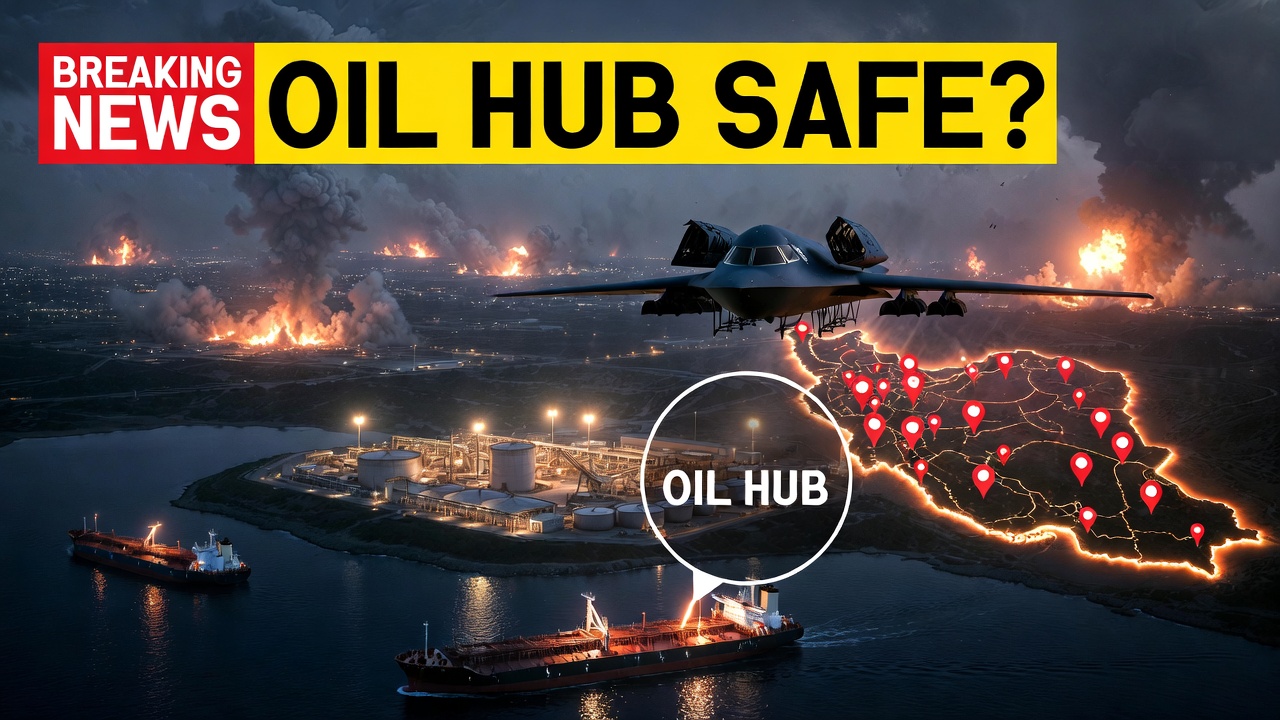
US Strikes 5,000 Targets Across Iran But Tehran’s Vital Kharg Oil Island Remains Untouched
Tehran’s Key Oil Hub Holds Strategic Importance Amid Ongoing Conflict
In a bold escalation of the ongoing conflict, the United States has carried out a series of extensive airstrikes, targeting over 5,000 sites across Iran in a sustained military campaign. The targets, primarily military infrastructure, include missile silos, air defense systems, and weapons storage facilities. Despite the widespread nature of the strikes, one strategic asset remains conspicuously untouched: Iran’s Kharg Oil Island.
Kharg Island, located in the Persian Gulf, is of paramount importance to Tehran, serving as the country’s main export terminal for crude oil. This vital asset handles a significant portion of Iran’s oil exports, making it a critical point of leverage in the international oil market. Despite the island’s significance, it has not been hit in the recent wave of US military action, raising questions about the strategic calculus behind the strikes.
Why Kharg Island Remains Untouched
Several theories have emerged regarding the decision to spare Kharg Island from the latest round of airstrikes. Experts suggest that the US may be avoiding an attack on Iran’s oil infrastructure in an effort to prevent further destabilizing global oil markets, which are already facing supply issues due to the conflict. Additionally, Kharg Island’s military installations and oil export facilities are heavily guarded, making it a challenging target.
Some analysts believe that the US may be adhering to a broader strategic goal of avoiding full-scale economic collapse in Iran, a move that could lead to catastrophic consequences not only for the Iranian population but also for regional stability. Striking Iran’s oil infrastructure would likely cause an unprecedented economic shock, not only to Iran but to the broader global economy, which depends heavily on oil exports from the region.
The Impact of US Strikes on Iran’s Military Capabilities
The US strikes, which began as part of an ongoing air campaign, are reported to have dealt significant damage to Iran’s military infrastructure. Military analysts suggest that the strikes have degraded Iran’s missile capabilities and disrupted its command and control systems. This is seen as a tactical move to weaken Tehran’s ability to respond to future military threats.
However, Iranian forces have continued to retaliate, employing drones and missile attacks on US assets in the region, which has further exacerbated tensions. The situation remains highly volatile, with both sides seemingly preparing for a prolonged conflict.
Global Reactions and International Diplomacy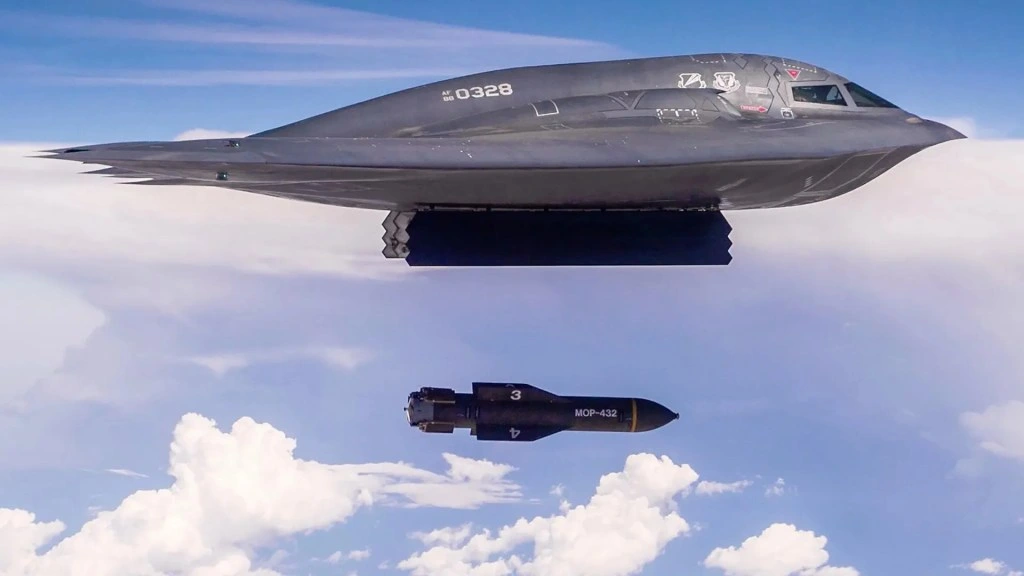
The global response to the escalating conflict has been mixed. While some Western nations have expressed support for the US actions, citing concerns over Iran’s nuclear ambitions and regional destabilization, others, particularly Russia and China, have condemned the airstrikes as an act of aggression. Both countries have called for renewed diplomatic efforts and a halt to military escalation.
The United Nations has called for an immediate ceasefire and the initiation of peace talks. However, given the entrenched positions on both sides, it remains unclear whether diplomacy can succeed in de-escalating the situation.
The Road Ahead: Will Kharg Island Stay Safe?
As tensions continue to rise, the question remains: Will Kharg Island remain untouched, or will it become the next target in the ongoing conflict? Its fate may very well depend on the decisions made by both the US and Iranian leadership in the coming weeks.
For now, Kharg Island remains a crucial piece in the broader geopolitical puzzle. Its strategic importance ensures that it will remain a focal point in any future negotiations or military actions, regardless of how the conflict evolves.