Iranian Projectile Hits Container Vessel Near Ras Al Khaimah In UAE
Iranian Projectile Hits Container Vessel Near Ras Al Khaimah In UAE
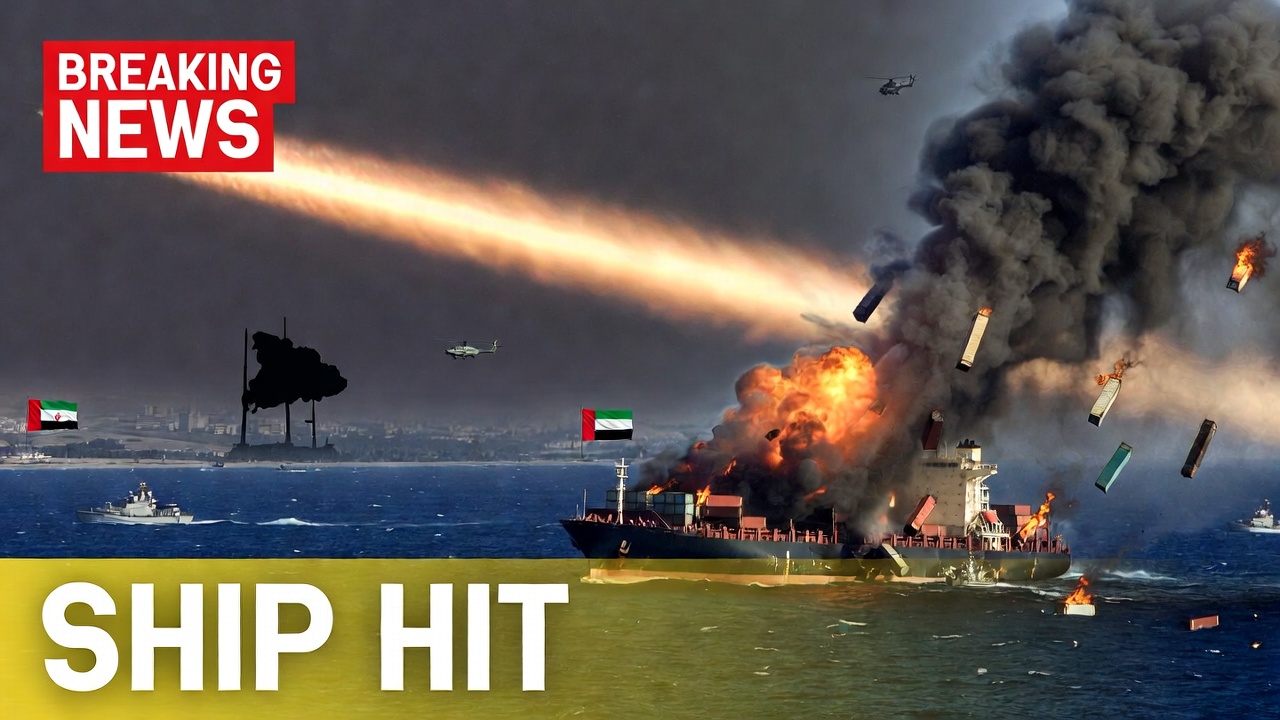
Tensions in the Gulf region have escalated further following an attack by Iran on a commercial vessel near Ras Al Khaimah, a port city in the UAE. According to maritime authorities, an Iranian projectile struck a container ship, causing significant damage to the vessel. The incident has raised alarms about the increasing volatility of the region’s shipping lanes, a critical artery for global trade.
The Attack on the Container Vessel
The container vessel, which was en route to a port in the UAE, was reportedly hit by a projectile fired from Iranian territory or one of its nearby vessels in the Gulf. Initial reports suggest that the projectile caused an explosion on board the ship, leading to significant damage to its structure. However, authorities have confirmed that no crew members were killed, although several were injured in the blast.
Maritime officials have stated that the vessel was carrying cargo when the attack occurred, and the ship’s crew was able to contain the fire and prevent a more catastrophic outcome. The ship has since been diverted to a nearby UAE port for inspection and repairs. The nature of the projectile is still being investigated, but it is believed to be a missile or shell fired from Iranian military assets stationed in the Gulf.
Growing Concern Over Shipping Safety
This latest incident is part of a worrying pattern of attacks on commercial vessels in the Arabian Gulf. The region, which is home to some of the busiest shipping lanes in the world, has seen a series of incidents in recent months, with both Iranian and foreign vessels targeted by missile strikes, mine-laying operations, and drone attacks.
Shipping companies have expressed growing concern over the safety of their vessels in the region, with many reevaluating their routes and security protocols. The UAE has long been considered a hub for maritime trade, and attacks on vessels near its shores could have a significant impact on global shipping and trade networks.
The attack near Ras Al Khaimah is likely to prompt further security measures and calls for increased protection of merchant ships transiting the Gulf. It also puts additional pressure on the international community to address the growing threat to maritime security in the region.
Iran’s Possible Motive
Iran has not officially claimed responsibility for the attack, but its actions in the region have frequently targeted vessels linked to countries supporting U.S. military operations or sanctions against Tehran. Iranian officials have repeatedly warned that they would retaliate against perceived foreign interference in the region, particularly as tensions rise with the U.S. and Israel.
Iran’s strategic positioning along the Strait of Hormuz—a key maritime chokepoint through which much of the world’s oil passes—has made it a key player in regional security. The country has threatened to disrupt shipping lanes in the past as a way to exert pressure on the international community. This attack may be part of Iran’s broader strategy to challenge Western interests and allies in the region.
UAE’s Response and International Reactions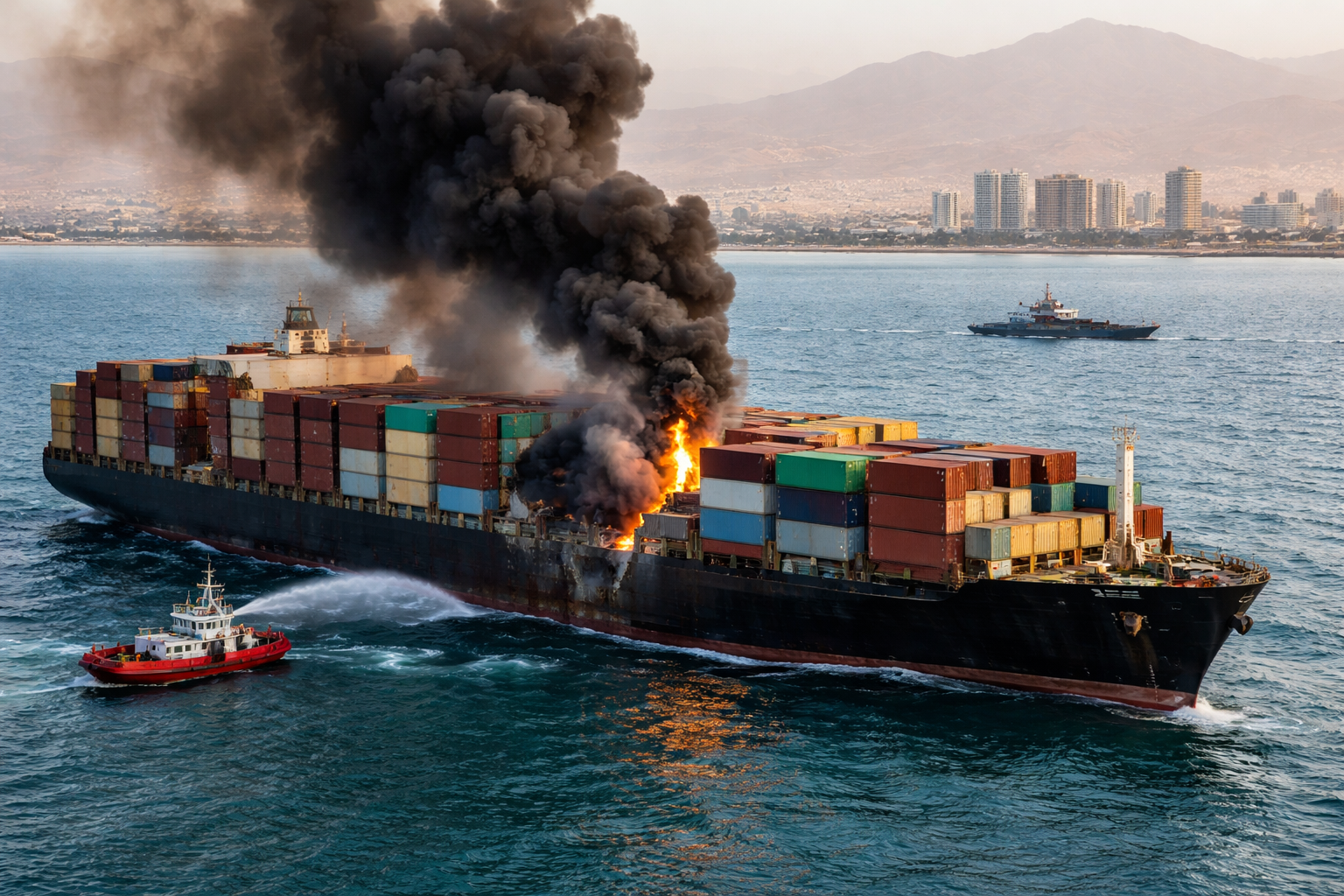
In response to the attack, the UAE government has condemned the strike as a violation of international law and a threat to regional stability. The UAE’s Ministry of Foreign Affairs has called for an urgent investigation into the incident and for those responsible to be held accountable.
The UAE, while historically maintaining a relatively neutral stance in the broader geopolitical conflict between the U.S. and Iran, has been closely aligned with Saudi Arabia in efforts to counter Iranian influence in the region. It has also maintained strong ties with Western powers, particularly the U.S., which has a significant military presence in the Gulf.
The international community has reacted swiftly, with both the U.S. and European Union condemning the attack. U.S. Secretary of State Antony Blinken expressed concern over the strike, calling it a “reckless act of aggression” and reaffirming American support for the UAE in ensuring the security of its shipping lanes.
The Broader Implications
The attack on the container vessel near Ras Al Khaimah comes at a time of heightened tensions between Iran and several Gulf nations, particularly in the aftermath of ongoing military strikes and diplomatic standoffs. The strike could have significant repercussions for both regional stability and global shipping, as the Gulf is one of the world’s most important maritime corridors, handling significant volumes of oil and goods.
If the situation continues to escalate, it could lead to further disruptions in global trade and cause a spike in energy prices, particularly if Iran continues to target commercial vessels. Analysts are closely monitoring the situation, as any further attacks could draw in more regional and international actors, escalating the conflict into a broader military confrontation.
What’s Next?
As the investigation into the attack continues, the UAE and its allies will likely step up their efforts to secure shipping lanes and deter further Iranian provocations. Given the fragile state of diplomatic relations in the region, the possibility of further attacks remains high, and the threat to global trade and regional security continues to grow.
The international community will need to decide whether to take stronger military action to protect vital shipping routes, or whether diplomatic efforts will be made to de-escalate the situation and prevent further violence.