Iran Strikes Prince Sultan Air Base In Saudi Arabia Amid Escalating Middle East War
Iran Strikes Prince Sultan Air Base In Saudi Arabia Amid Escalating Middle East War
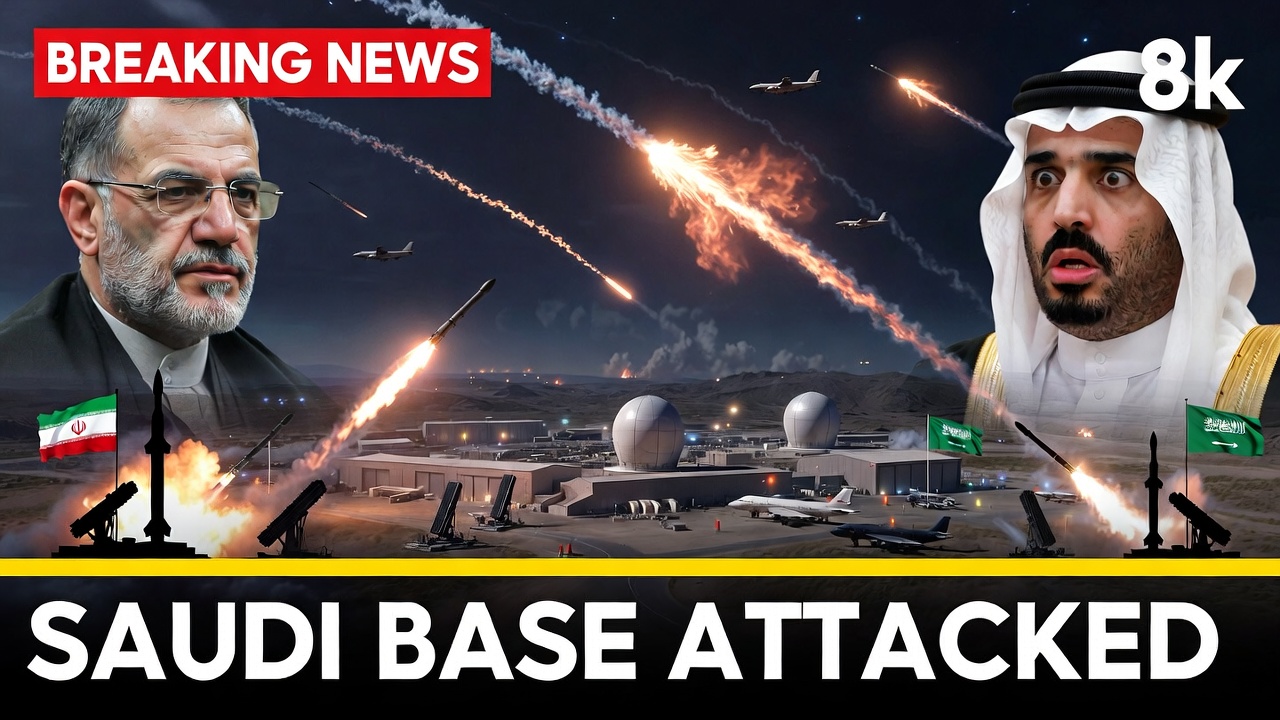
As the ongoing conflict between Iran and a U.S.-Israel coalition intensifies, a new chapter of violence has unfolded with Iran launching a missile strike on the Prince Sultan Air Base in Saudi Arabia. The attack, which took place in the early hours of the morning, is the latest in a series of retaliatory moves by Tehran in the wake of escalating hostilities in the region. The strike has further fueled fears of a broader regional war, with the Middle East caught in the crossfire of geopolitical tensions.
The Attack on Prince Sultan Air Base
The Prince Sultan Air Base, a critical military facility for the Saudi Arabian Air Force, was struck by a volley of missiles, reportedly launched by Iran’s Islamic Revolutionary Guard Corps (IRGC). The air base, located southeast of the capital Riyadh, is strategically important as it hosts both Saudi and U.S. forces and serves as a key launch point for airstrikes in the region. The missiles reportedly hit several hangars and radar systems, causing significant damage to the base’s infrastructure.
Initial reports suggest that the attack caused substantial destruction, though the exact extent of the damage remains unclear. Local sources report that there were multiple explosions at the air base, with large plumes of smoke visible in the aftermath. At least several military personnel are believed to have been wounded, but official casualty figures are still pending.
Iran’s Retaliatory Strategy
This attack on Saudi Arabia marks a dramatic escalation in Iran’s military strategy. Tehran has consistently warned that it would strike back at any nation perceived to be supporting U.S. and Israeli military actions against Iran. The Prince Sultan strike is believed to be in response to the ongoing U.S. and Israeli airstrikes targeting Iranian military assets in Syria and other parts of the region.
Iranian officials have stated that their missile strikes are aimed at sending a message of deterrence, demonstrating their ability to strike back at key military targets across the Gulf. The use of missiles against a critical Saudi military base underscores Iran’s growing capabilities in missile warfare, which they have increasingly relied on in their broader regional strategy.
Saudi Arabia’s Response
In response to the missile strike, the Saudi Ministry of Defense has vowed to take “all necessary measures” to defend its sovereignty and national security. Saudi officials have not yet provided a detailed account of the damage or casualties from the attack but have confirmed that air defense systems were activated during the strike.
Prince Sultan Air Base had been an important hub for U.S. military operations in the region, especially during the Gulf War and more recently in counterterrorism efforts. Saudi Arabia has also been a major player in the U.S.-led coalition against Iranian influence in the region, and this attack is seen as a direct challenge to Saudi Arabia’s military presence and alliance with the U.S.
Escalation of Tensions in the Middle East
This attack represents a significant escalation in the ongoing Middle East war, which has seen a sharp rise in hostilities since earlier strikes on key Iranian military targets and Israel’s involvement in Syria. Saudi Arabia, already embroiled in the conflict in Yemen and strained relations with Iran, now faces a direct missile assault, raising the stakes of regional security.
Iran’s actions have triggered widespread concern across the international community, as the potential for full-scale regional warfare looms. With major players like the U.S., Israel, and Saudi Arabia now directly engaged in hostilities with Iran, there are fears that the conflict could spill over into other parts of the Middle East, further destabilizing an already volatile region.
The Global Response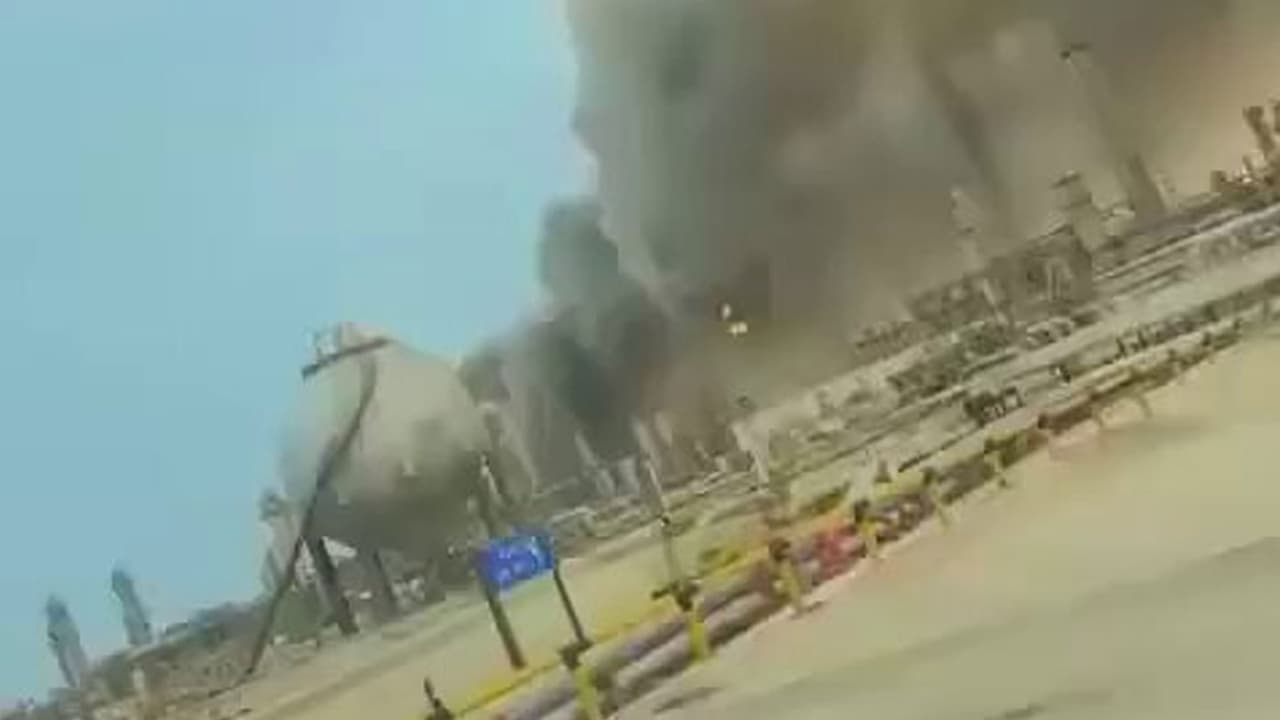
The international community has expressed deep concern over the increasing violence, with both the U.S. and European Union calling for an immediate de-escalation. The U.S. has reiterated its support for Saudi Arabia, promising to bolster its defense capabilities in the region.
Meanwhile, the United Nations Security Council has called for an emergency meeting to address the escalating conflict and to discuss potential peace talks. However, given the deep divisions between the major powers involved, the prospects for a peaceful resolution appear increasingly unlikely.
What’s Next for the Region?
The attack on Prince Sultan Air Base is a reminder of the volatile nature of the Middle East conflict and the ever-present threat of a wider war. As tensions continue to rise, the future of the region remains uncertain, with military actions, diplomatic efforts, and regional alliances shifting by the day.
With Iran’s missile strike on Saudi Arabia and a continued military escalation, the possibility of further attacks in the Gulf, including on shipping lanes, remains high. The path forward is unclear, but the situation continues to grow more perilous by the hour.