+120 Aircraft Deployed to the Middle East, Including F-22 Raptors
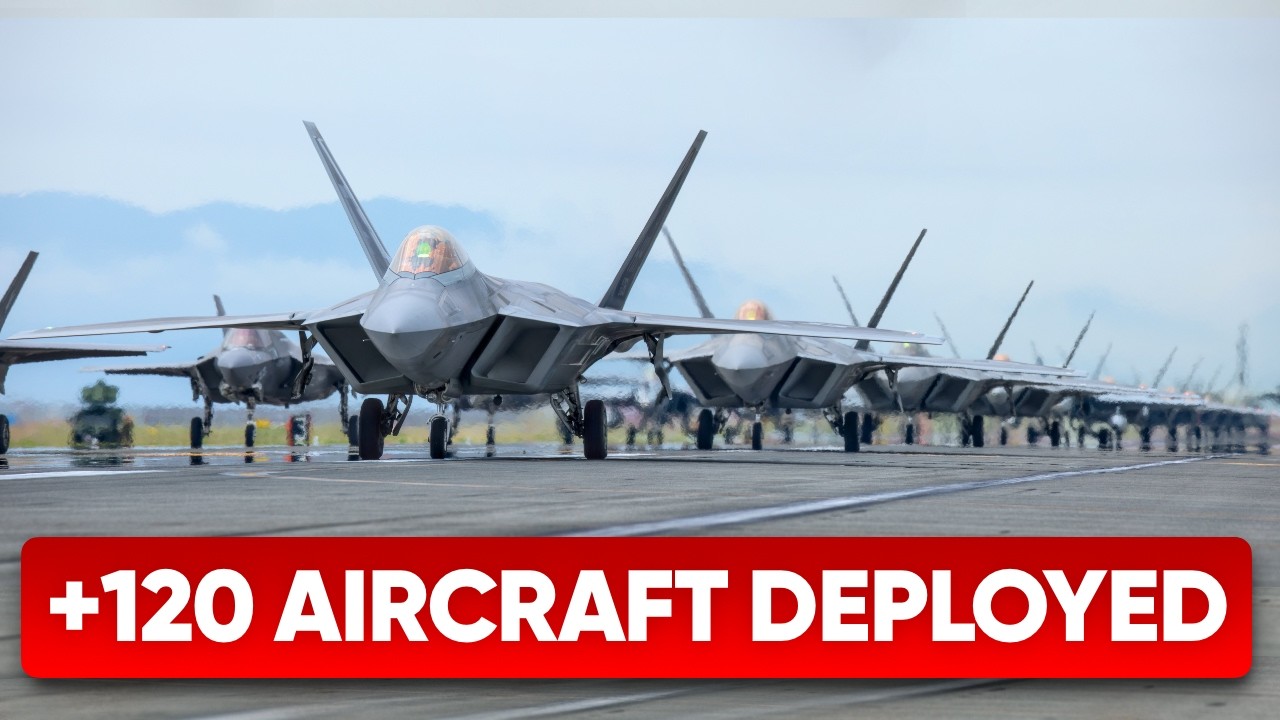
+120 Aircraft Deployed to the Middle East, Including F-22 Raptors
Introduction:
In an unprecedented show of force, the United States has deployed over 120 aircraft to the Middle East as part of an enhanced military posture in the region. This includes the deployment of advanced aircraft, such as the F-22 Raptors, F-35 Lightning IIs, B-52 Stratofortresses, and E-3 Sentry AWACS. This move is primarily aimed at deterring Iranian aggression and protecting U.S. and allied interests in the region.
The Role of F-22 Raptors in the Middle East:
-
Air Superiority and Stealth Capabilities:
The F-22 Raptor is the most advanced fifth-generation fighter jet in the U.S. fleet, known for its stealth and air superiority capabilities. Its low radar cross-section, combined with advanced sensors and supercruise ability, makes it highly effective in dominating enemy aircraft and missile threats.-
Air Combat: The F-22 will likely serve as a deterrent to Iranian aircraft and provide air superiority in the region, ensuring that U.S. and allied forces can operate without interference from Iranian jets.
-
Intercepting Iranian Missiles: Given Iran’s increasing use of ballistic missiles and drone technology, F-22 Raptors could play a crucial role in intercepting incoming threats or providing defensive countermeasures.
-
Protection of U.S. Bases: The F-22 will enhance the security of key U.S. bases, such as Al Udeid in Qatar, Incirlik in Turkey, and U.S. Navy bases in Bahrain and the UAE, acting as a first line of defense against Iranian air or missile strikes.
-
-
Advanced ISR and Targeting:
F-22s are equipped with advanced targeting systems that provide real-time intelligence to U.S. commanders, enhancing the ability to strike critical Iranian targets, such as missile launchers, nuclear facilities, or key command and control nodes.
The Deployment of Other Aircraft in the Middle East:
-
F-35 Lightning II:
The F-35 is another fifth-generation stealth aircraft, known for its multi-role capabilities. It will be deployed for both air dominance and precision strike missions. With its advanced avionics and low-observable characteristics, the F-35 can provide both air superiority and intelligence gathering capabilities, especially for close air support operations in combat zones like Syria or Iraq. -
B-52 Stratofortress:
The B-52 is a long-range heavy bomber capable of carrying out precision strikes using conventional and nuclear munitions. Deployed to the region, it provides the U.S. with a strategic deterrent capable of striking targets deep within Iran if necessary. The presence of the B-52 sends a clear message of U.S. resolve and the ability to deliver devastating airstrikes against Iranian assets.-
Precision Strikes: B-52s can deliver precision-guided munitions to target key Iranian military sites, including nuclear enrichment facilities, missile storage sites, and military bases.
-
Long-Range Bombing: The B-52’s ability to operate from distant bases provides the U.S. military with global reach, enabling rapid response to any emerging threats in the region.
-
-
E-3 Sentry AWACS (Airborne Warning and Control System):
The E-3 Sentry AWACS aircraft are critical in providing early warning and airspace control. Equipped with a rotating radar dome, the AWACS can track enemy aircraft, missiles, and drones at great distances, providing command and control for other U.S. aircraft in the region.-
Integrated Defense: AWACS aircraft integrate data from various sources, helping to coordinate defensive operations, such as intercepting Iranian fighter jets or missiles, and providing targeting data for F-22 Raptors or B-52 bombers.
-
Battlefield Awareness: The E-3 Sentry enhances the U.S.’s situational awareness, ensuring that the U.S. and its allies are prepared for any Iranian air or missile threats.
-
-
KC-135 Stratotanker:
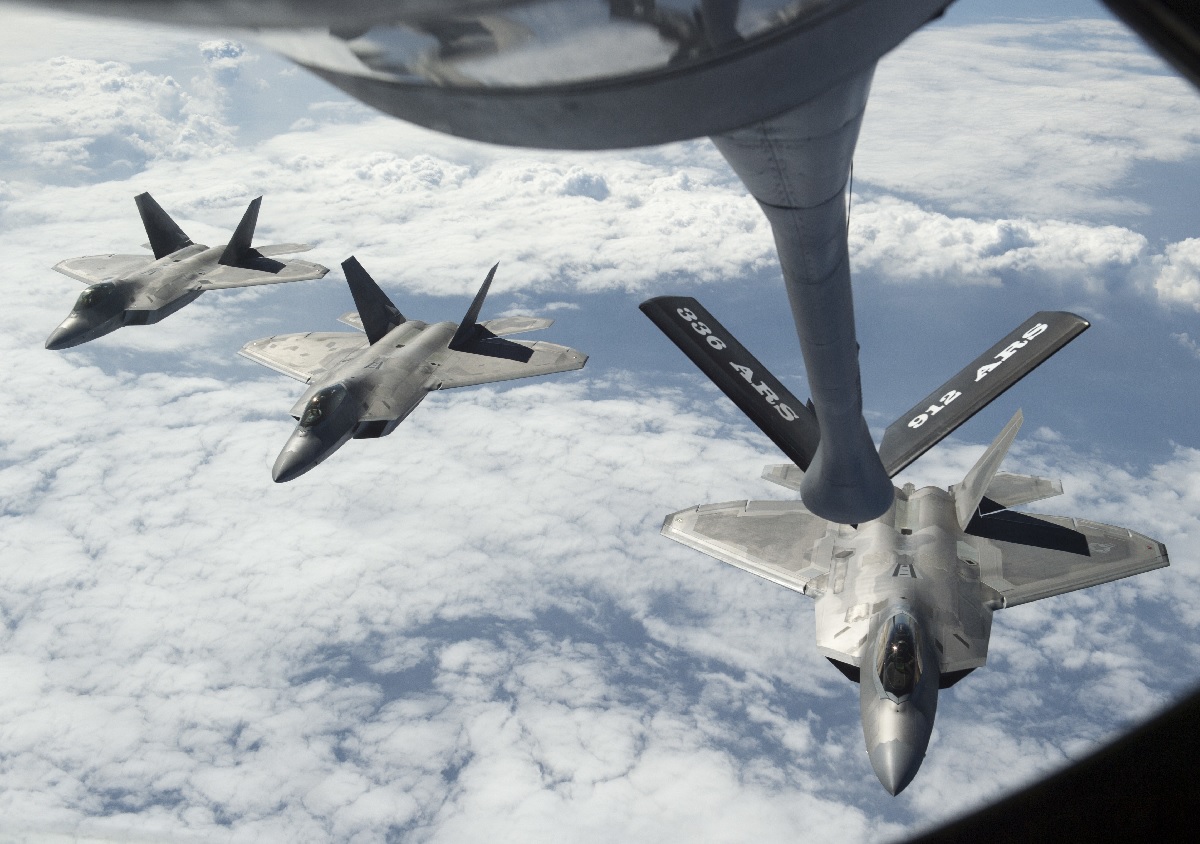
With more than 120 aircraft in the region, aerial refueling will be critical for maintaining the operational effectiveness of U.S. fighter jets and bombers. The KC-135 Stratotanker can refuel aircraft in-flight, extending their operational range and ensuring the U.S. military can respond to threats without being limited by logistical constraints.