US-Iran War: Are Iran’s Older Missiles Still in Use? Modern Fateh Series Breakdown
US-Iran War: Are Iran’s Older Missiles Still in Use? Modern Fateh Series Breakdown
Introduction:
As the U.S.-Iran conflict continues to intensify, one of the key areas of concern is Iran’s missile capabilities. Iran’s Fateh missile series, known for its precision and short-to-medium range, plays a significant role in the country’s defense strategy. While the older versions of the Fateh missiles were developed decades ago, recent reports indicate that Iran has continued to use and modernize these systems. The Fateh missile series is considered a critical element of Iran’s strategic deterrence, especially in light of increasing tensions with the U.S. and its allies.
The Fateh Missile Series:
The Fateh series is a group of short-range ballistic missiles developed by Iran, primarily designed for use against ground targets such as military bases, airfields, and large infrastructure. These missiles have evolved over the years, with Iran continuously improving their range, accuracy, and payload capabilities.
Fateh-110:
The Fateh-110 is one of the most well-known missiles in the Fateh series. Initially introduced in the early 2000s, the Fateh-110 is a solid-fueled, short-range ballistic missile capable of hitting targets up to 300 kilometers away. It is widely used by the Iranian military, as well as by proxy groups aligned with Iran in the Middle East, including Hezbollah and Iraqi militias.
While the initial model of the Fateh-110 was relatively simple, the missile’s accuracy and payload capacity have been significantly improved over time. The modern Fateh-110 is equipped with enhanced guidance systems, making it more precise in striking military targets. The Fateh-110 is often deployed in situations where Iran feels threatened by enemy forces in the region, such as the U.S. military presence in Iraq or Israel’s security concerns regarding Iranian missile development.
Fateh-313:
The Fateh-313 is an advanced version of the Fateh-110, with a range of about 500 kilometers. It features improvements in accuracy and guidance systems, which make it even more effective for targeting strategic infrastructure and military installations. The Fateh-313 is believed to be a critical component of Iran’s missile inventory, capable of striking targets within reach of Israel, the Arabian Peninsula, and parts of Eastern Europe.
In recent years, Iran has reportedly used missiles like the Fateh-313 in regional conflicts, including missile strikes against U.S. forces in Iraq and infrastructure targets in Syria and Saudi Arabia. Its continued use indicates that despite advancements in missile technology, older variants still play a central role in Iran’s military strategy.
Fateh-Ashura: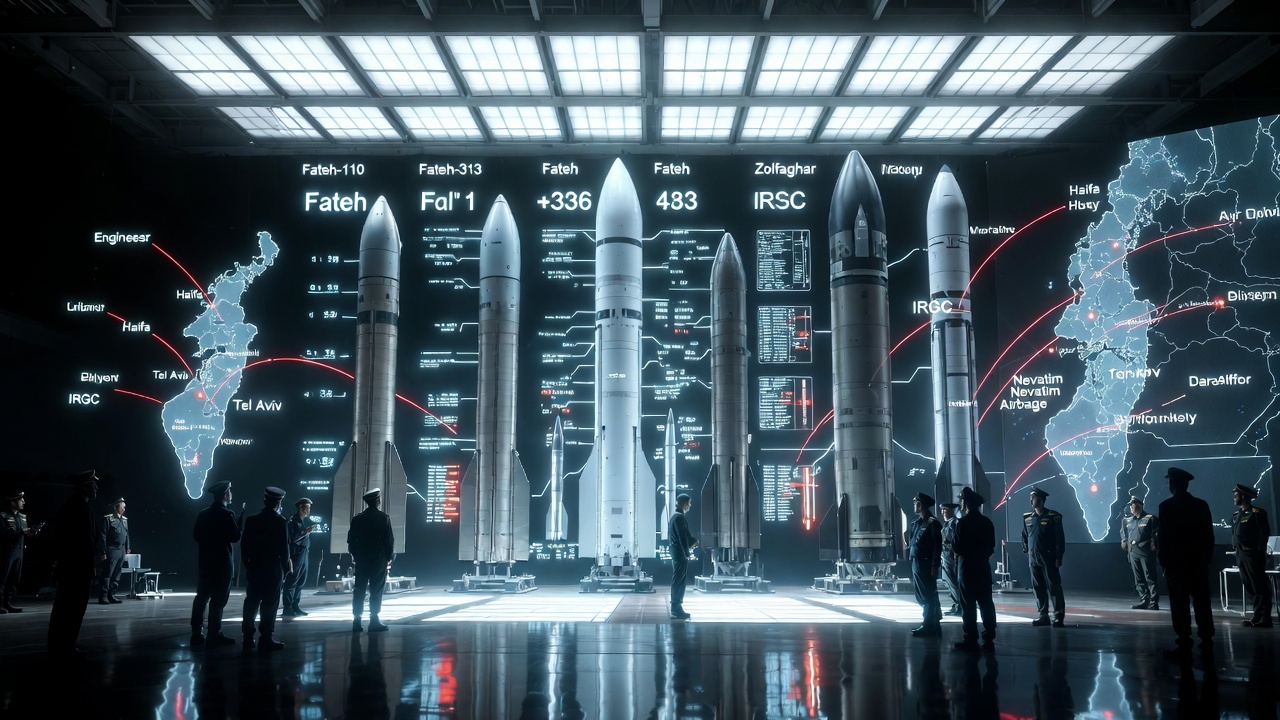
The Fateh-Ashura is another member of the Fateh family, a long-range, precision-guided missile with a range of over 700 kilometers. This missile is seen as an important asset for Iran, capable of targeting high-value assets deep inside enemy territory. The Fateh-Ashura is equipped with a multiple warhead system, making it capable of engaging several targets in a single launch, further enhancing its offensive potential.
Despite being older than some of the newer missiles in Iran’s arsenal, the Fateh-Ashura remains an effective deterrent in the event of an escalation with the U.S. or Israel.
Are Older Fateh Missiles Still in Use?
Yes, despite the modernization of newer Fateh models like the Fateh-313 and Fateh-Ashura, older Fateh-110 missiles are still in active use within the Iranian military. These missiles are part of Iran’s large and diverse missile inventory, and their continued use can be attributed to several factors:
-
Cost-Effectiveness:
Older models, while not as advanced as their newer counterparts, remain relatively inexpensive to produce. This makes them useful for less critical operations, especially when compared to more expensive, high-tech missile systems. -
Large Stockpile:
Iran has built up a large stockpile of Fateh missiles over the years, and older variants are still effective in providing a robust defense. These older missiles are often used in regional conflicts or as part of Iran’s deterrence strategy. -
Strategic Reserve:
Some older Fateh missiles may be kept in reserve for potential escalation scenarios, allowing Iran to draw on a wide range of options without exhausting its most advanced systems. -
Proliferation to Proxy Forces:
Iran has shared its missile technology with allied proxy forces, which may use older Fateh missiles in various conflicts, particularly in places like Yemen, Syria, and Lebanon. This allows Iran to maintain its influence across the region while preserving its more advanced systems for defensive purposes.
Modern Fateh Missiles in Action:
In recent years, the Fateh-110 and its derivatives have been used in several high-profile attacks. Notably, Iran used Fateh-110 missiles in its retaliatory strikes against U.S. military bases in Iraq following the assassination of General Qassem Soleimani in January 2020. These missiles were also involved in attacks on Saudi oil facilities in 2019, which were widely attributed to Iranian-backed forces using Iranian-made weaponry.
Conclusion:
While Iran has made significant strides in developing modern, advanced missile systems, older variants of the Fateh missile series continue to play a vital role in the country’s military capabilities. Despite newer versions offering greater range and precision, the Fateh-110 and its older relatives remain a cost-effective and strategic asset for Iran, providing a deterrent against U.S. military actions in the region and further enhancing Iran’s missile capabilities in the Middle East.
As tensions between Iran and the U.S. continue to escalate, the Fateh series will likely remain a key component of Iran’s missile defense and offensive operations. The modernization of older systems, combined with new missile technology, ensures that Iran will maintain a strong military presence, capable of striking key targets across the region.