Israel-Palestine Conflict: Families in Gaza Prepare Iftar Amid Heightened Tensions
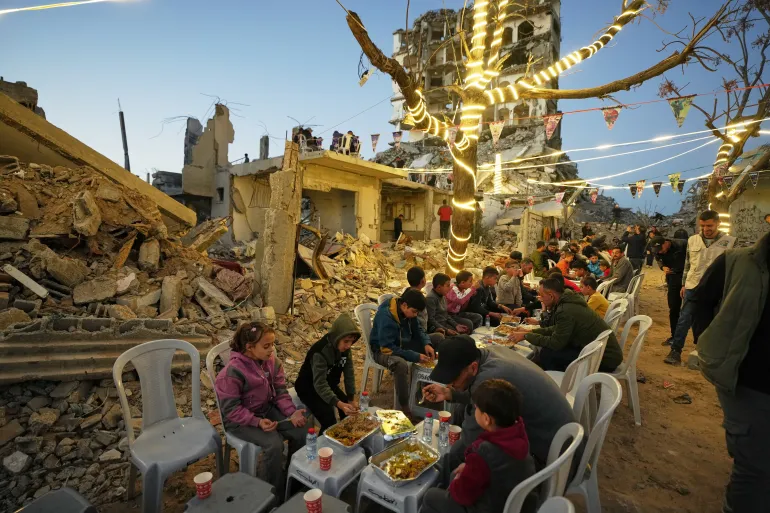
Israel-Palestine Conflict: Families in Gaza Prepare Iftar Amid Heightened Tensions
As the ongoing Israel-Palestine conflict continues to escalate, families in Gaza are navigating yet another season of Ramadan under severe hardship. Despite the heightened tensions and violence in the region, many Palestinians are preparing for Iftar, the meal that breaks the fast at sunset, in a display of resilience and unwavering faith.
A Month of Struggle and Reflection
Ramadan, a sacred month of fasting for Muslims, is typically a time for reflection, family gatherings, and acts of charity. But in Gaza, the realities of the ongoing conflict have made this Ramadan different. Families living under siege and in the midst of regular airstrikes and military operations are facing both the daily struggles of life and the challenges of observing their religious practices.
In the midst of it all, families across Gaza are preparing for Iftar, an important moment of solidarity, unity, and faith. In homes that have suffered from destruction or have been separated due to the ongoing violence, the preparation of the evening meal becomes a ritual not just of sustenance but of defiance against the suffering surrounding them.
The Iftar Table: A Symbol of Family and Resilience
For many families in Gaza, Iftar remains a deeply symbolic and important moment during Ramadan. As the call to prayer echoes through the streets, signaling the end of the daily fast, families gather around humble tables, often filled with simple but meaningful dishes—dates, bread, vegetables, and, when available, meat or sweets. These gatherings, despite the uncertainty and danger they face, offer a brief moment of peace and togetherness.
One Gaza resident, Fatima Al-Masri, shared that this Ramadan feels different from years past. “We are living under constant fear, but we have faith. The iftar meal is more than food; it’s about our unity as a family, our community, and our resistance to the hardships we face every day.”
Ramadan Amid Escalating Tensions
The conflict has not only affected the physical infrastructure of Gaza but also the psychological well-being of its residents. The ongoing airstrikes, military operations, and lack of essential services have made life more difficult, especially during Ramadan. With many homes destroyed and limited access to basic resources, Gaza’s residents are faced with immense challenges, including a lack of reliable electricity and clean water.
Yet, the spirit of Ramadan remains strong. “This month is about remembering those who are suffering and reaching out to those in need,” said another resident, Omar Saeed, as he and his family set the table for Iftar. “Despite everything, we pray for peace and for our children to grow up in a better world.”
A Symbol of Defiance and Faith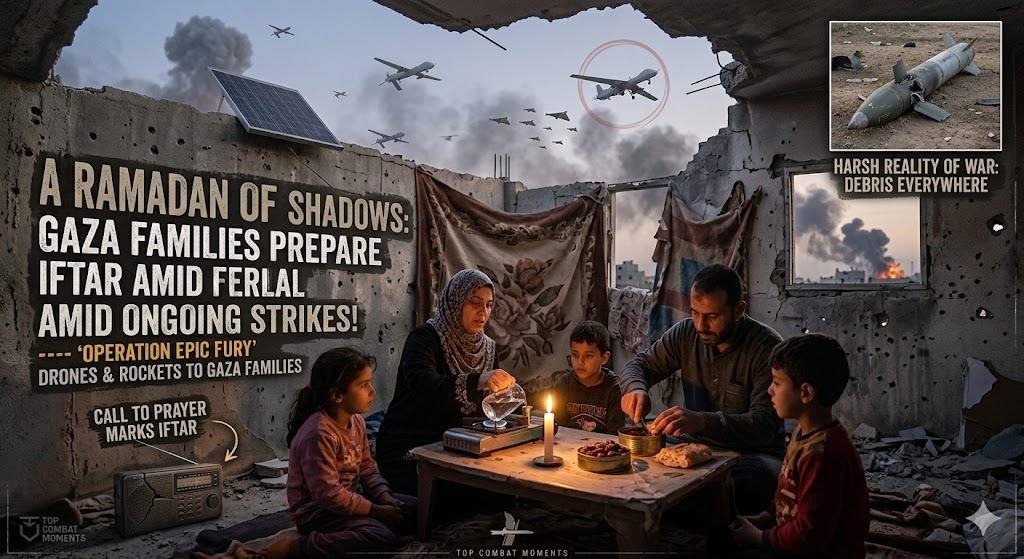
Amid the devastation, the act of gathering for Iftar represents more than just religious observance. It is an act of defiance against the forces that seek to break their spirit. Despite the conflict, Gazans continue to live their lives as best they can, striving for normalcy, even when circumstances make it nearly impossible.
For many, the nightly Iftar meal offers a brief moment of respite. In the midst of the violence, it becomes a rare opportunity for family members to reconnect, share stories, and offer support. While many across Gaza still face the loss of loved ones, homes, and livelihoods, the enduring sense of community and faith continues to bind them together.
International Community Calls for Peace
The international community has expressed deep concern over the escalation of violence and the humanitarian crisis in Gaza. Organizations such as the United Nations have repeatedly called for ceasefires, urging both Israel and Palestine to prioritize the protection of civilians. However, with ongoing clashes and the inability to reach a long-term solution, the situation in Gaza remains dire.
As Ramadan continues, many around the world are watching closely, hoping that a lasting peace can be achieved so that families in Gaza—and all of Palestine—can break their fasts in peace, free from the daily threat of violence.