US Air Defense in Action — Shredding Iranian Missiles.hl
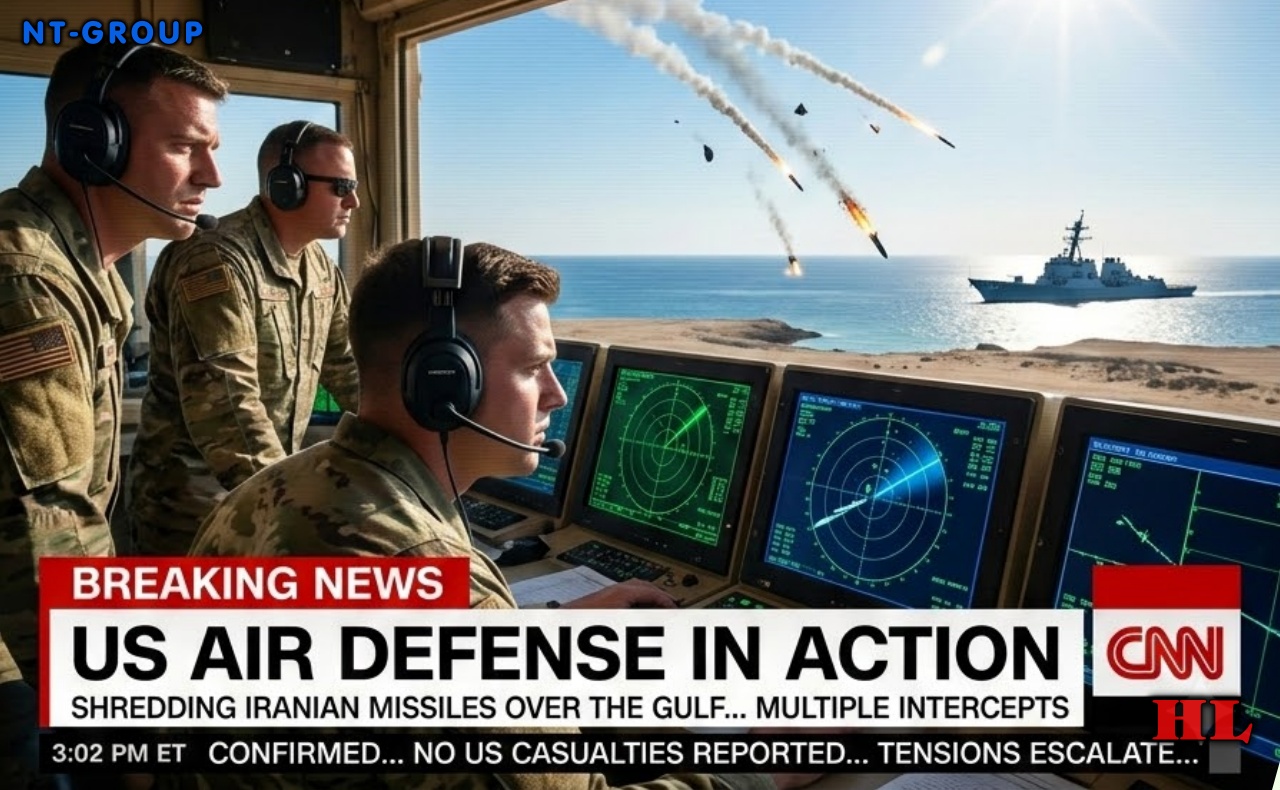
Sirens wailed across US bases in the Gulf just seconds before the sky lit up: radar screens showed a wall of Iranian ballistic and cruise missiles arcing in from the northeast, the heaviest single salvo of the war so far, CENTCOM officials say.
Inside hardened bunkers, operators watched the engagement unfold in real time. Patriot and THAAD batteries snapped into “auto‑engage,” launching interceptor after interceptor, while Aegis‑equipped destroyers offshore fired SM‑series missiles to thin the swarm at long range. Overhead, streaks of white exhaust and orange fireballs marked dozens of mid‑air kills.
C‑RAM guns chattered around key compounds as surviving fragments and low‑flying drones slipped through the upper layers. Surveillance footage from one base shows a ballistic warhead breaking apart high above the perimeter, its debris shredded by rapid‑fire cannons before it could reach fuel depots and troop housing. Only one impact cratered an empty motor pool; several vehicles were destroyed, but there were no US fatalities.
CENTCOM is hailing the night as a “textbook demonstration” of integrated air and missile defence, claiming over 90 percent of hostile rounds were intercepted. Privately, officers admit magazines ran low and crews were pushed to their limits by the sheer volume and complexity of the attack.
In Tehran, state media highlights the handful of hits as proof that “American shields are not impenetrable.” In Washington, the spin is the opposite: Iran threw one of its biggest punches, and US forces are still standing. For allies and adversaries watching those blazing intercepts on loop, the question is simple and sobering—how many more nights like this can either side afford?