Kuwaiti F-18 Shooting Down U.S. F-15E’s: A Nightmare Scenario for Modern Warfare
Kuwaiti F-18 Shooting Down U.S. F-15E’s: A Nightmare Scenario for Modern Warfare
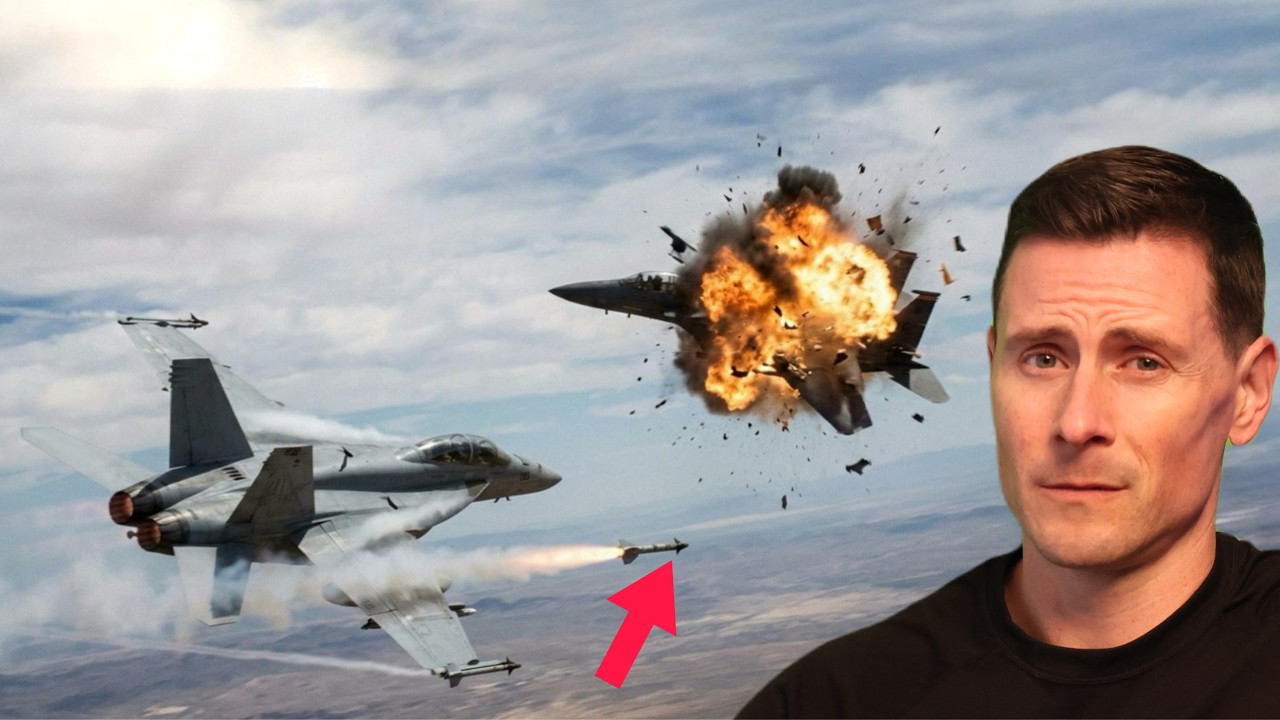
A potentially catastrophic incident is being reported from the skies over the Middle East, as a Kuwaiti F-18 fighter jet allegedly shot down multiple U.S. Air Force F-15E Strike Eagles during a chaotic military operation. While details are still emerging and the incident has yet to be officially confirmed, the implications of such a scenario are far-reaching. If true, this unfortunate event could highlight the challenges of modern combat and the terrifying uncertainty of the “fog of war.”
The Incident: Chaos in the Sky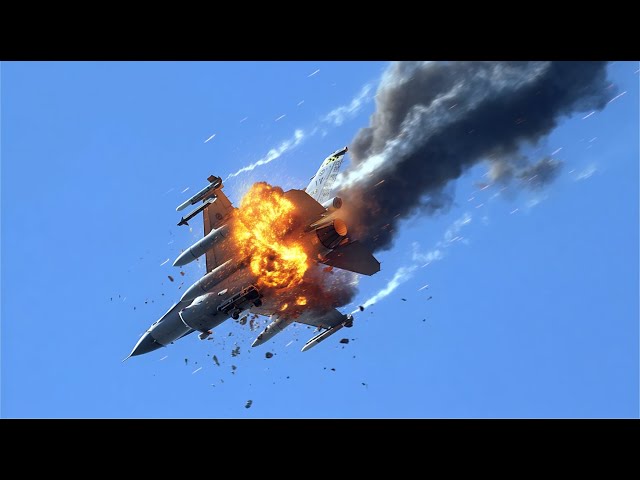
Reports suggest that the mix-up occurred during a high-intensity operation in which multiple air forces were involved in combat and surveillance missions. A Kuwaiti F-18, possibly operating in a close proximity to the U.S. F-15E Strike Eagles, may have mistaken the American aircraft for enemy threats. The complexities of modern aerial combat, combined with drone swarms and advanced surveillance systems, could have contributed to the misidentification, leading to the tragic downing of the U.S. fighter jets.
Such incidents underscore how quickly modern military engagements can escalate from routine operations to catastrophic outcomes, especially when multiple nations are involved and the pressures of decision-making intensify.
Drone Swarms and the “Fog of War”
One of the core challenges in modern warfare is the rapid pace at which events unfold, with decisions often needing to be made in split seconds. This situation is compounded by the use of drone swarms, which can overwhelm enemy air defenses, create confusion, and lead to miscommunications. The “fog of war” — the term used to describe the confusion and chaos experienced in the heat of battle — can make distinguishing friend from foe increasingly difficult, even for highly trained pilots and sophisticated military systems.
In this case, if the reports are true, the combination of poor visibility, communication breakdowns, and the overwhelming presence of drone swarms could have led to the tragic and costly mistake.
The Cost of Modern Warfare
While U.S. air superiority has been a pillar of its military strategy for decades, this incident raises serious questions about the vulnerability of even the most advanced aircraft in the age of high-tech warfare. The F-15E Strike Eagle, one of the U.S. Air Force’s most powerful multirole fighters, is designed to dominate the skies and deliver precision strikes, but in the chaos of modern combat, even the best-equipped pilots are not immune to mistakes.
This incident could serve as a grim reminder of how quickly things can go wrong in complex multinational military operations. It also highlights the dangers of relying on technology and drones to carry out high-stakes missions where human error still plays a significant role.
Implications for U.S.-Kuwaiti Relations
If confirmed, the incident will have profound implications not just for the involved parties, but for broader U.S.-Kuwaiti military relations. Kuwait, a long-time ally of the United States, would likely face intense scrutiny regarding the incident. An official investigation would be launched to determine whether the downing was the result of a mechanical failure, misidentification, or something more troubling, like a breakdown in communication between allied forces.
While it is too early to draw definitive conclusions, such an event could strain diplomatic and military ties, even between close allies. Efforts to improve coordination, enhance identification systems, and prevent future incidents will likely dominate the discussion in the coming weeks.
A Wake-Up Call for Military Strategy
In the face of such catastrophic events, the global military community is forced to re-examine the effectiveness of its strategies and training. The importance of clear communication between allied forces, robust rules of engagement, and real-time data-sharing systems will be critical moving forward. At the same time, new technologies—particularly AI-driven systems designed to reduce human error—may play an even larger role in the future of combat.
As the investigation into this incident unfolds, it is essential that military forces around the world learn from this scenario and take steps to prevent similar mistakes in the future. The tragic loss of multiple F-15E Strike Eagles serves as a chilling reminder of the risks of modern warfare, where the margin for error is razor-thin.