Graves Prepared for More Than 165 Schoolgirls Killed in Strike on Iranian School
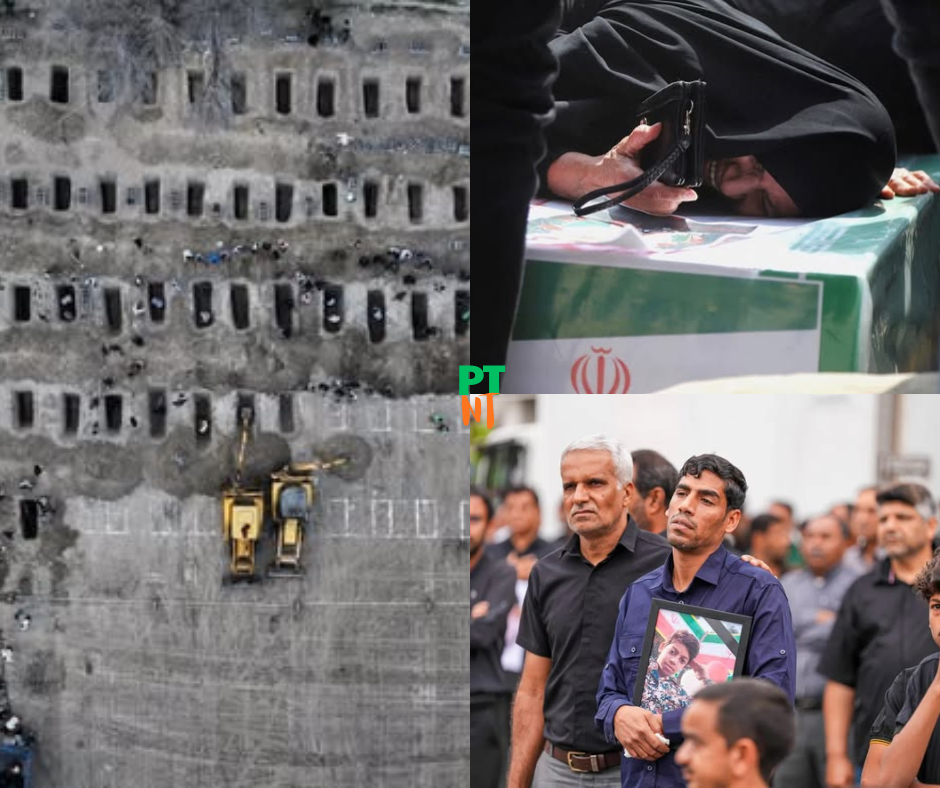
In the southern Iranian city of Minab, workers and grieving families have begun preparing graves for more than 165 victims, many of them young schoolgirls, following a devastating strike on a girls’ primary school during the escalating conflict involving Iran, the United States, and Israel.
According to Iranian authorities, the Shajareh Tayyebeh girls’ elementary school was hit during airstrikes that targeted the area. The attack reportedly killed at least 165 students and school staff and injured dozens more, making it one of the deadliest incidents involving children since the conflict began.

Local officials say most of the victims were girls between the ages of 7 and 12 who had been attending classes when the building was struck. Survivors and parents described chaotic scenes as families rushed to the site searching for their children beneath the rubble.
The tragedy has triggered widespread mourning across the country. Funeral ceremonies showed rows of small coffins carried through crowds of mourners, many of them relatives and classmates of the victims.
International organizations have reacted with alarm. The United Nations Committee on the Rights of the Child said it was “deeply disturbed” by reports of the attack and emphasized that schools are protected civilian spaces under international humanitarian law.

At the same time, the circumstances of the strike remain under investigation. U.S. and Israeli officials have said they did not intentionally target a school, and authorities are examining how the incident occurred.
Analysts note that the school was reportedly located near an Iranian military facility, which may have been the intended target of nearby strikes, although the full details are still unclear.
As investigations continue, the funerals in Minab serve as a stark reminder of the devastating human toll of war—particularly for the youngest and most vulnerable civilians.