Iran Warns of Major Global Energy Price Surge Amid Rising Tensions
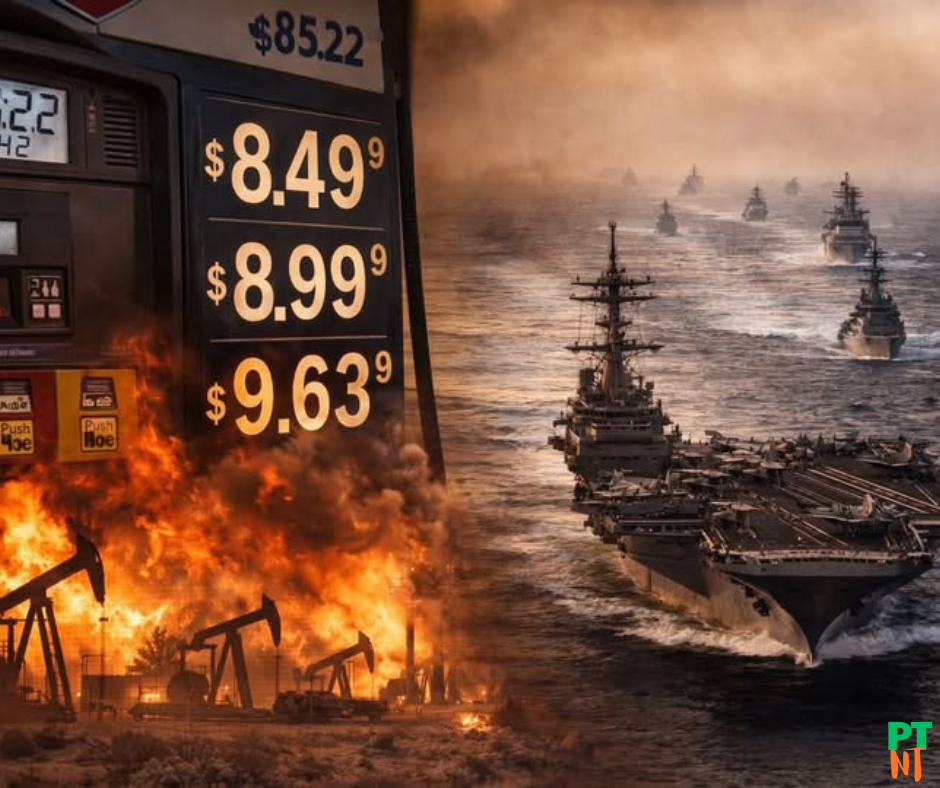
Iran has issued a strong warning that escalating tensions in the Middle East could trigger a dramatic increase in global oil and natural gas prices, potentially sending shockwaves through international energy markets.
According to statements attributed to Iranian officials, disruptions to regional stability could affect the flow of energy exports and shipping routes that are vital to the global economy. The Middle East remains one of the world’s most important sources of oil and natural gas, and any interruption in supply could quickly influence global prices.
One of the most strategically sensitive locations is the Strait of Hormuz, a narrow maritime passage through which a significant portion of the world’s oil shipments travels. Analysts have long warned that instability in this area could rapidly push energy prices higher.
Iranian sources also suggested that fuel prices in the United States could fluctuate sharply because they are closely tied to global market conditions. In addition, some U.S. allies that rely heavily on energy exports may encounter new difficulties if regional tensions disrupt shipping or infrastructure.
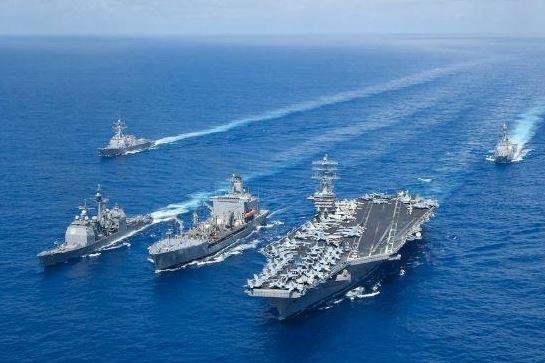
Meanwhile, reports indicate that elements of the U.S. Fifth Fleet, which is responsible for naval operations in the Persian Gulf and surrounding waters, have been repositioning at sea as the situation evolves. While such movements are not unusual during periods of heightened tension, they often signal efforts to maintain readiness and protect maritime routes.
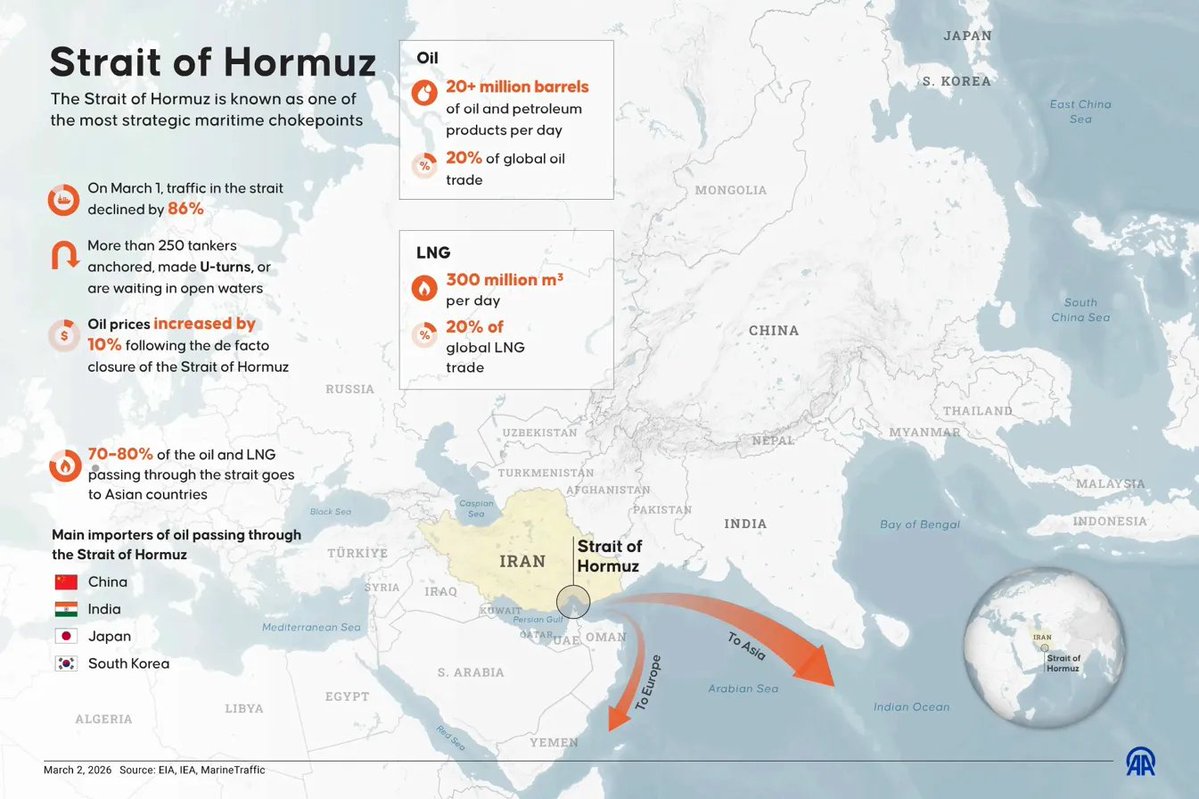
Energy analysts note that beyond the immediate military implications, the broader consequences of a prolonged confrontation could be economic and political. A sustained rise in oil and gas prices would affect transportation, manufacturing, and household energy costs worldwide.
If tensions continue to escalate, experts warn that the global economy could face renewed volatility, with energy markets likely to be among the first sectors to feel the impact.